Loading Curie Briefs...
Getting the latest healthcare news for you
Getting the latest healthcare news for you

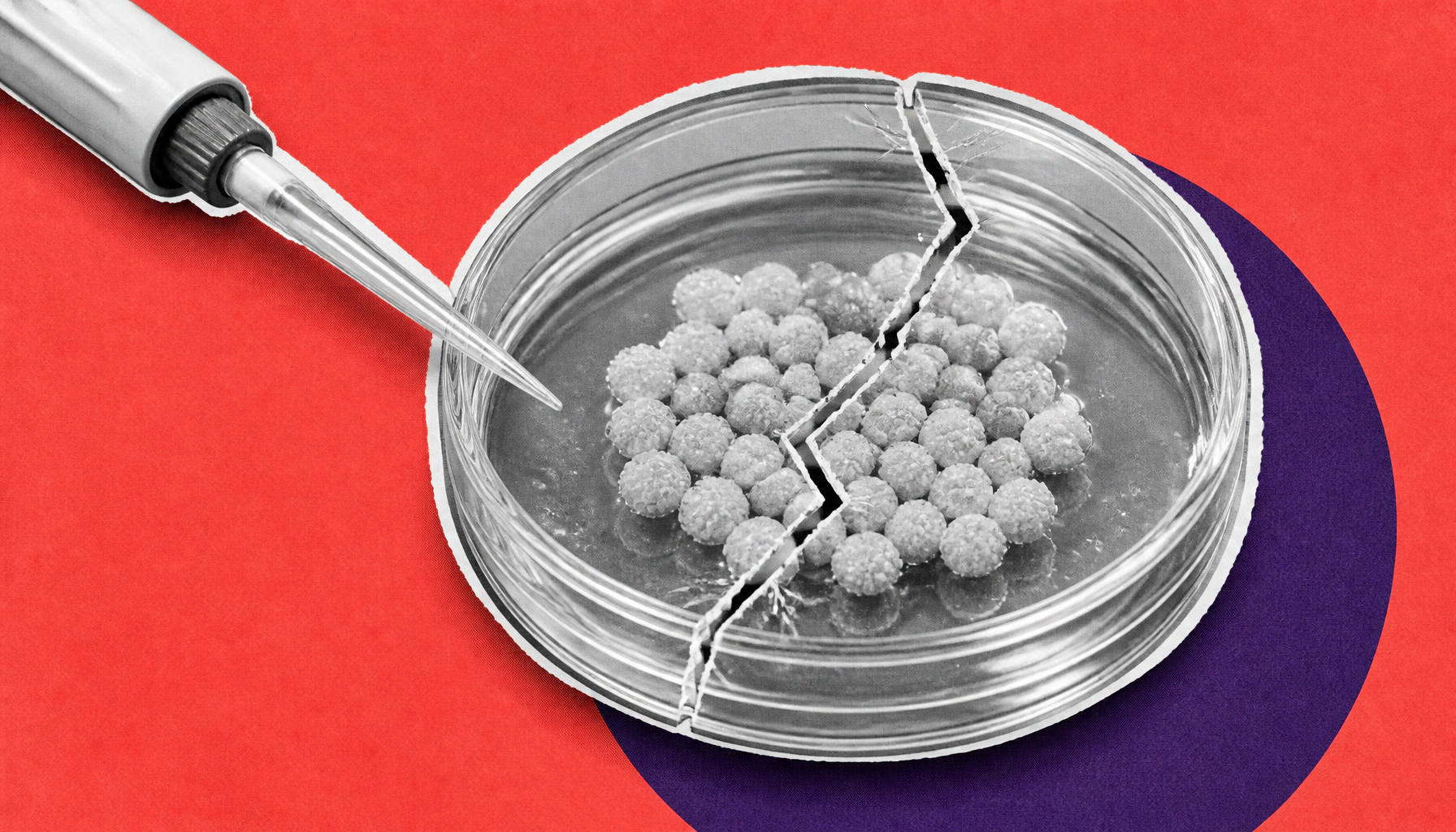
Researchers hoped CRISPR could make transplanted beta cells "invisible" to the immune system — but a new study says not so fast. Scientists at Koç University found that knocking out either the RNLS or HIVEP2 gene in beta cells failed to prevent immune rejection in mice. The findings suggest that protecting transplanted beta cells will likely require a combination of genetic modifications, not just a single gene edit.
For people with type 1 diabetes, a beta-cell transplant could theoretically restore natural insulin production — but the immune system tends to destroy those transplanted cells just as it did the originals. Immunosuppressive drugs can help, but they come with serious long-term risks like infections and cancer. Researchers at Koç University set out to see if CRISPR-Cas9 gene editing could offer a smarter solution.
The team used CRISPR to knock out two genes — RNLS and HIVEP2 — previously flagged as potential shields against autoimmune destruction. They engineered edited beta cells into 3D spheroid clusters (mimicking real pancreatic islets) and transplanted them into immunocompetent mice. The result? Neither gene knockout made a meaningful difference — edited cells were rejected at the same rate as unedited ones.
Key Takeaways:
Why it matters: This study helps rule out two promising but ultimately insufficient targets, steering future research toward combination gene-editing strategies or pairing edits with immunomodulatory biomaterials — a critical step toward beta-cell therapies that could free patients from lifelong immunosuppression.