Loading Curie Briefs...
Getting the latest healthcare news for you
Getting the latest healthcare news for you

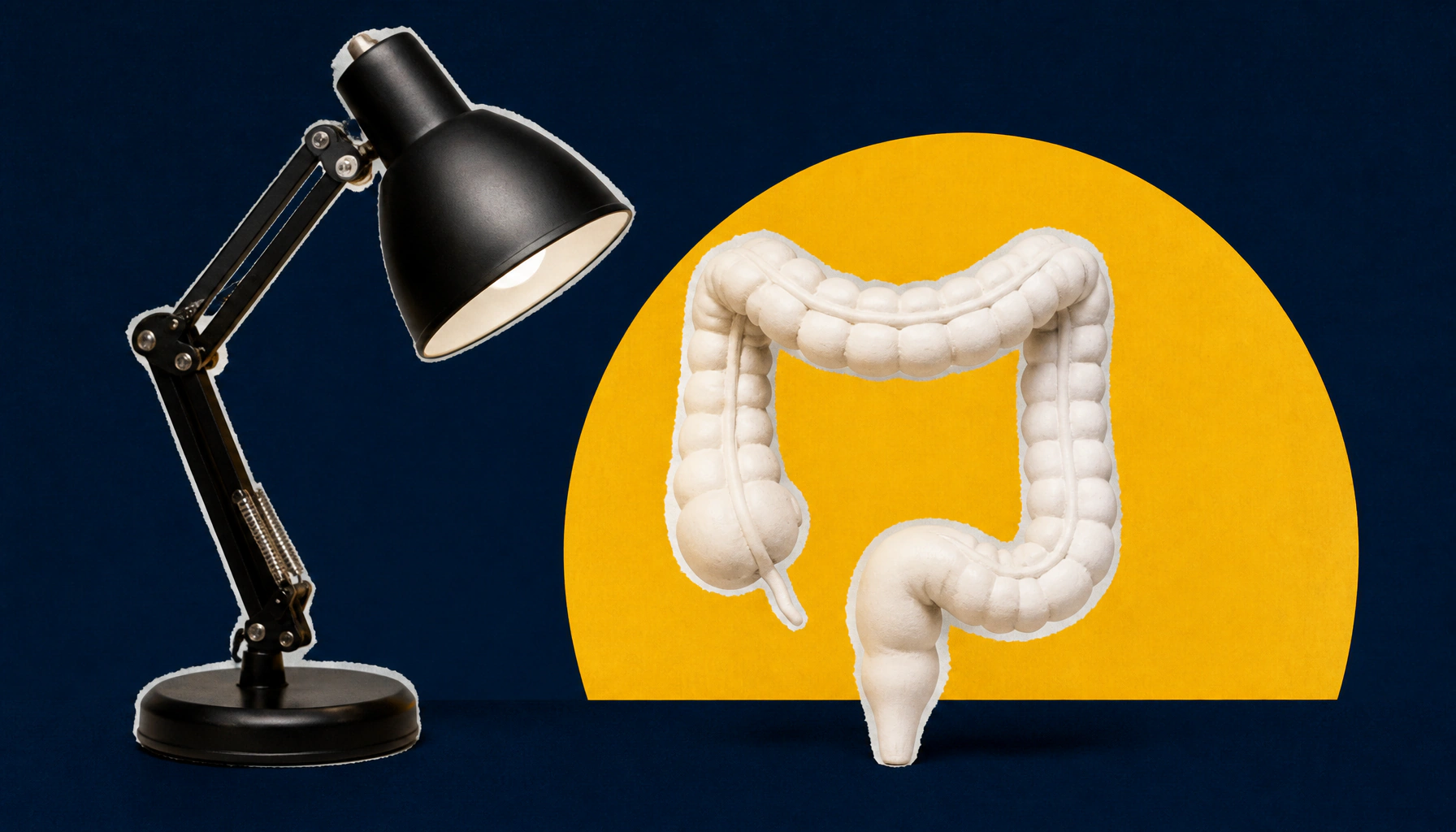
Living in brighter nighttime environments may actually reduce the risk of inflammatory bowel disease (IBD), according to a large population-based study. High outdoor artificial light at night (ALAN) was linked to lower odds of adult-onset IBD and fewer hospitalizations and outpatient visits after diagnosis. The findings add a surprising new dimension to our understanding of environmental triggers for IBD.
Urban living has long been associated with higher IBD risk, but a new wrinkle has emerged: the artificial light illuminating those cities at night might actually be protective. A large population-based study published in Inflammatory Bowel Diseases found that high outdoor artificial light at night (ALAN) was linked to a lower likelihood of adult-onset IBD and reduced healthcare utilization after diagnosis.
Researchers analyzed data from multiple study designs — a birth cohort of nearly 3.9 million individuals and a case-control analysis of over 32,000 IBD patients — to explore how nighttime light exposure relates to IBD risk and disease burden. While the birth cohort analysis showed no significant association between ALAN at birth and IBD risk, the case-control analysis revealed a meaningful protective signal in adults.
By the Numbers:
Why it matters: These findings suggest that environmental factors — including light exposure — may shape IBD risk and disease course in ways not yet fully understood. For clinicians, this opens the door to exploring circadian rhythm disruption, microbiome changes, and hormone production as potential modifiable targets in IBD prevention strategies.