Loading Curie Briefs...
Getting the latest healthcare news for you
Getting the latest healthcare news for you

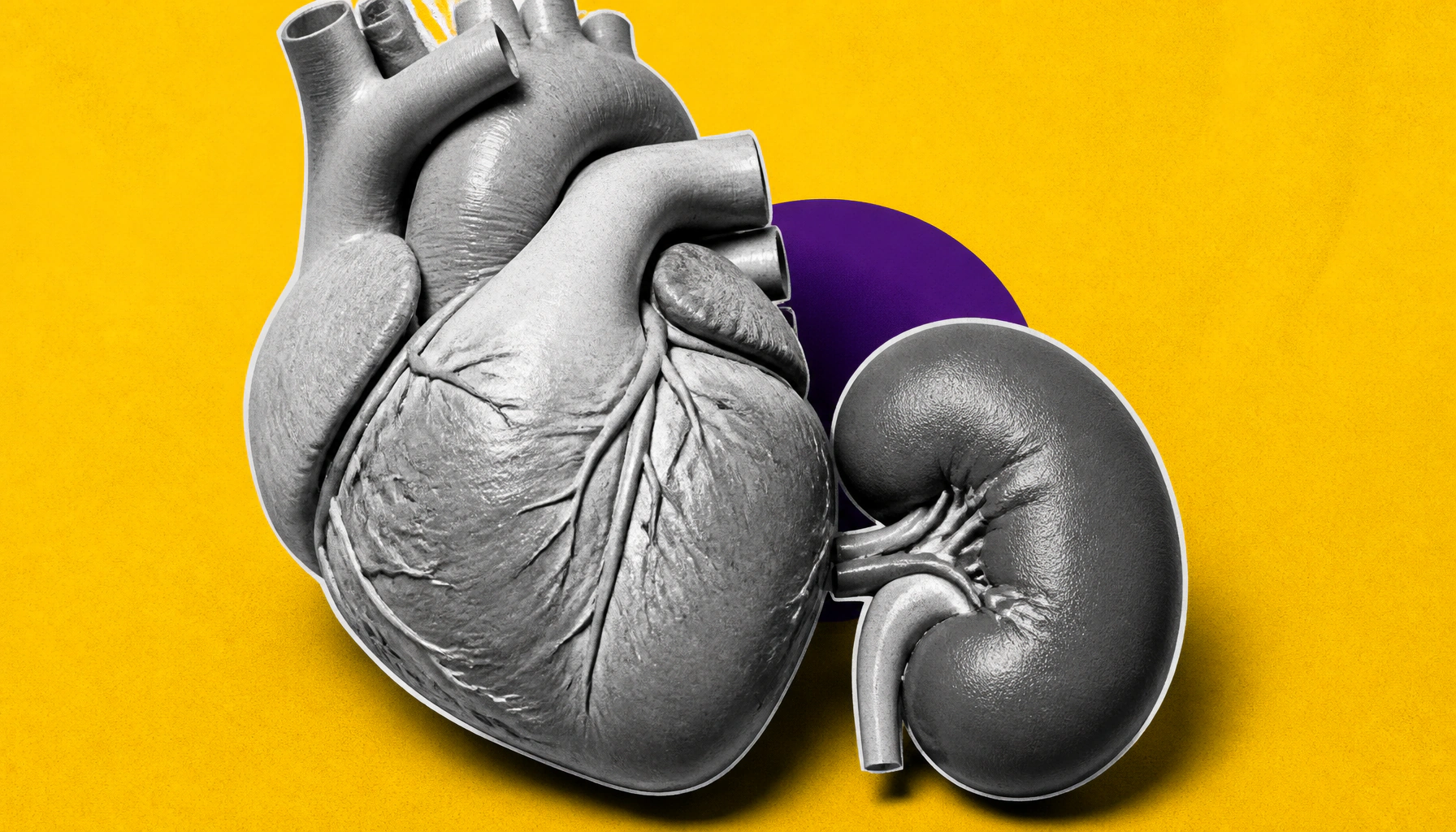
Four major medical societies just released the first-ever cardiovascular-kidney-metabolic (CKM) syndrome guideline — and it's reshaping how doctors think about chronic disease. Instead of treating heart, kidney, and metabolic conditions in silos, the new framework calls for coordinated, prevention-first care. Specialists say recognizing shared risk factors early — like hypertension and declining kidney function — is key to slowing disease progression.
Four major medical societies — the AHA, ACC, ADA, and ASN — jointly released the first-ever cardiovascular-kidney-metabolic (CKM) syndrome guideline in June, marking a significant shift in how chronic disease should be managed. Rather than treating heart disease, kidney disease, and metabolic conditions as separate diagnoses, the guideline frames them as interconnected manifestations of the same underlying process — and calls for a coordinated, prevention-focused approach.
Specialists explain that the heart, kidneys, and metabolic system operate in a continuous feedback loop. Diabetes and obesity drive inflammation and vascular injury; hypertension accelerates both kidney and cardiovascular damage; and kidney dysfunction, in turn, worsens heart disease. The new framework encourages clinicians to assess how conditions like hypertension affect multiple organs simultaneously — and to act earlier, before patients reach advanced disease stages.
Key Takeaways:
Why it matters: Siloed care has long been a barrier to managing complex, overlapping chronic diseases. This guideline gives clinicians a shared framework to coordinate earlier, prescribe smarter, and potentially help patients avoid outcomes like dialysis or heart failure hospitalization.


