Loading Curie Briefs...
Getting the latest healthcare news for you
Getting the latest healthcare news for you

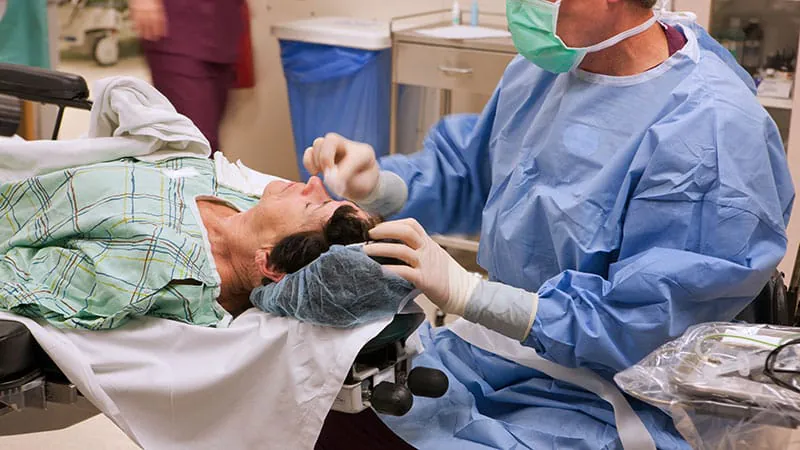
When it comes to anesthesia choice for major surgery, it may not matter much which route you take. A large UK trial and a supporting meta-analysis both found no meaningful difference in post-op recovery, survival, or delirium risk between IV propofol and inhaled anesthetics. The takeaway: let patient preference, symptom tolerance, and clinician expertise guide the call.
Anesthesia showdown ends in a draw
Two new studies put a longstanding clinical debate to rest — at least for now. A large randomized trial published in JAMA involving 2,508 older adults across 49 UK hospitals found that total intravenous anesthesia (TIVA) with propofol offered no significant advantage over inhaled volatile anesthetics in terms of days alive and at home, mortality, or quality of recovery after major noncardiac surgery. A separate meta-analysis of 29 trials echoed the finding, showing no meaningful difference in postoperative delirium risk between the two approaches.
There were a few nuances: patients on propofol reported slightly less thirst, hoarseness, and nausea on day 1 post-op — but these didn't translate into better overall outcomes. The meta-analysis also noted a modest cognitive edge for propofol in early recovery, though researchers deemed it clinically insignificant.
By the numbers
Why it matters: These findings give clinicians the green light to individualize anesthesia decisions based on patient preference, symptom tolerance, and environmental factors — rather than assuming one method is universally superior.