Loading Curie Briefs...
Getting the latest healthcare news for you
Getting the latest healthcare news for you

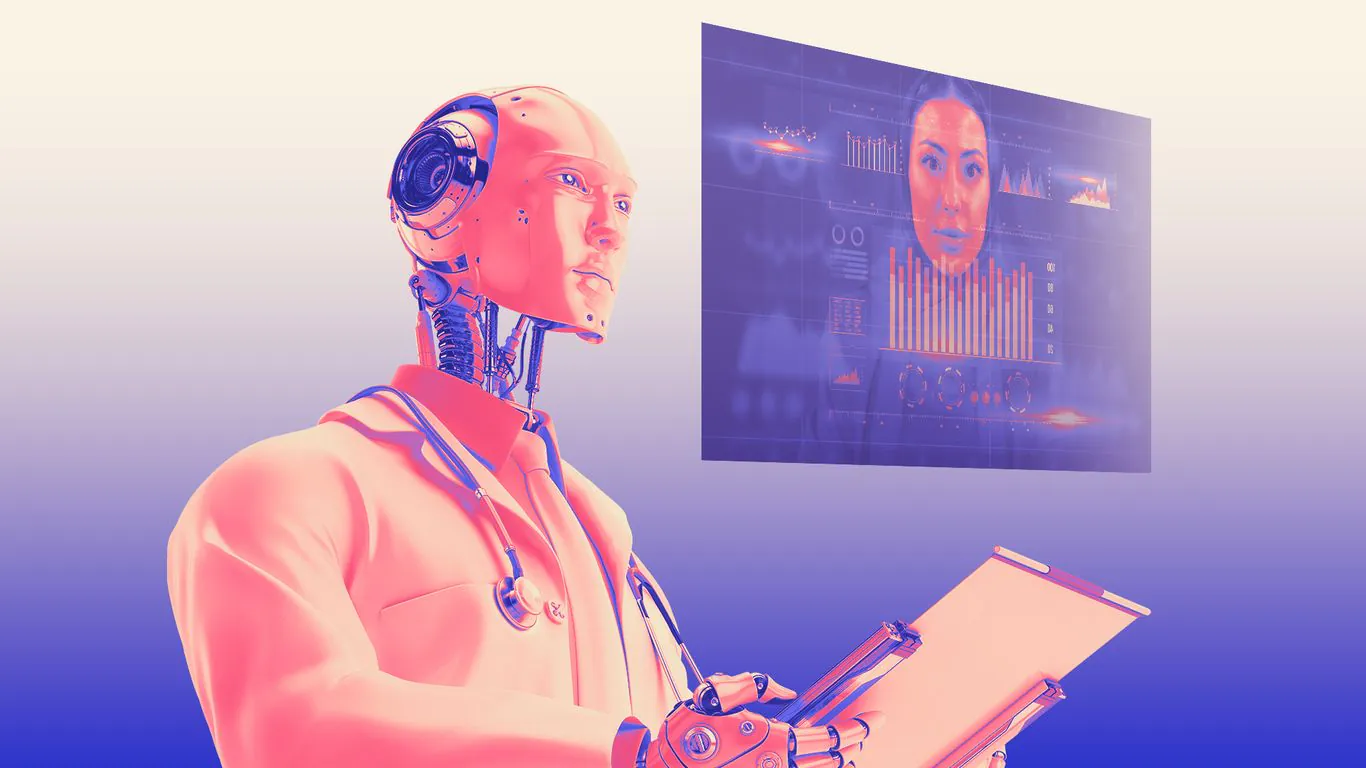
The American Medical Association released a new framework insisting physicians remain essential to patient care even as AI advances. This comes in direct contrast to a JAMA opinion piece arguing that autonomous AI could outperform doctors at key clinical tasks by 2030. Meanwhile, regulation of AI in healthcare is still struggling to keep up.
The American Medical Association (AMA), in partnership with the Digital Medicine Society, has released a new framework asserting that physicians must remain central to healthcare delivery in the AI era. The framework acknowledges that "individual tasks will evolve as technology advances," but maintains that core physician responsibilities — human connection, clinical judgment, and responsible stewardship of technology — are irreplaceable. AMA CEO John Whyte put it plainly: "Do you really want to go to the ER and be treated by an LLM if you have chest pain?"
The framework arrives in direct tension with a JAMA opinion piece, co-authored by former White House health adviser Zeke Emanuel, which argues that AI already rivals or outperforms doctors at five key cognitive tasks — from gathering patient information to managing chronic disease — and that keeping humans in the loop may actually worsen outcomes. The authors predict autonomous AI could be ready for real-world clinical deployment in many workflows by 2030.
Key Takeaways:
Why it matters: As AI tools rapidly evolve in patient-facing roles, the debate over human oversight isn't just philosophical — it has real implications for patient safety, medical liability, and the future of clinical training.


