Loading Curie Briefs...
Getting the latest healthcare news for you
Getting the latest healthcare news for you

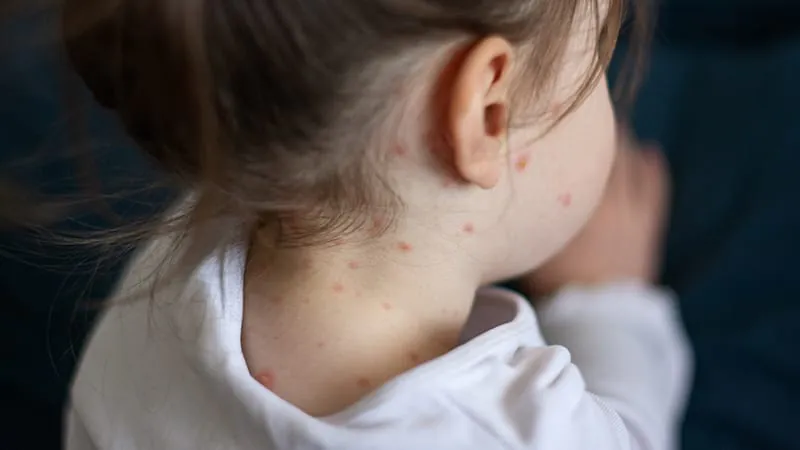
Chickenpox is creeping back as childhood vaccination rates fall, and a new review in Pediatrics is reminding clinicians how to spot and treat a disease many have only read about. Varicella cases dropped 97% after the 1995 vaccine, but declining immunization rates are fueling fresh outbreaks across multiple states. Experts warn that younger physicians may miss early or atypical presentations — and the consequences can be severe.
Chickenpox was nearly wiped out in the U.S. after the varicella vaccine launched in 1995, cutting cases by 97%. But with childhood vaccination rates sliding since the COVID pandemic, the disease is staging a quiet comeback — and a new review published in Pediatrics is sounding the alarm for a generation of clinicians who've never seen it in practice.
Dozens of states, including Minnesota, Texas, and New Jersey, have recently reported unusual upticks in varicella cases. Kindergarten vaccination rates for the full two-dose series dropped from 94.8% in 2019–2020 to 92.2% in 2025–2026, according to CDC data. Experts worry that younger physicians, unfamiliar with the disease's hallmark presentation — successive crops of itchy lesions in multiple stages — may be slow to diagnose it, especially in atypical cases.
The review outlines key clinical guidance: PCR from vesicle fluid is the preferred diagnostic test; ibuprofen and salicylates should be avoided; and immunocompromised children face the highest risk, with viral pneumonitis occurring in up to 50% of those cases and a mortality rate as high as 20%.
Key Takeaways:
Why it matters: As vaccine hesitancy grows, clinicians need to be ready to recognize, diagnose, and treat a disease that was once nearly extinct — before it becomes common again.


