Loading Curie Briefs...
Getting the latest healthcare news for you
Getting the latest healthcare news for you

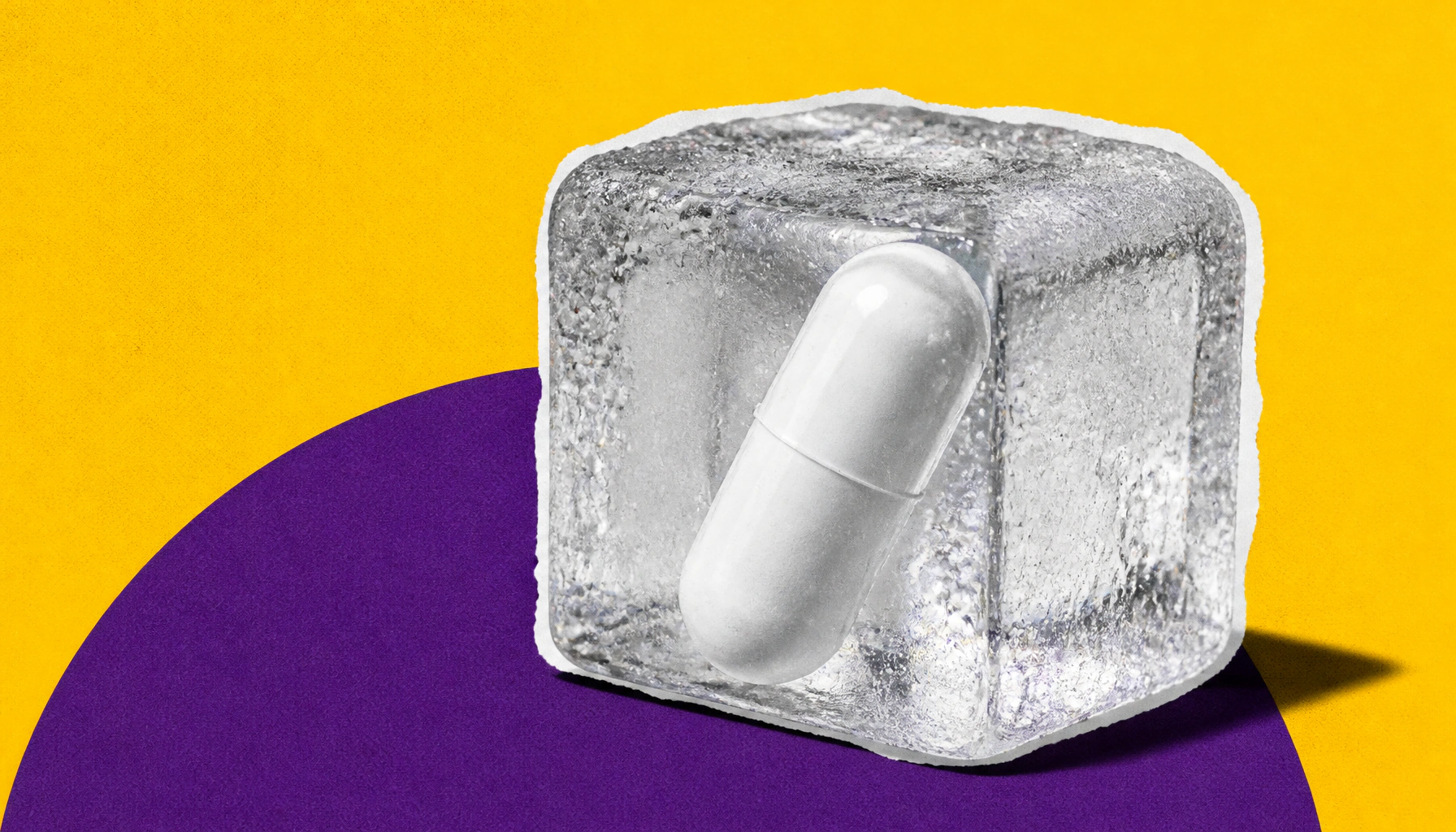
Could a one-time dose of frozen fecal capsules help peanut-allergic adults tolerate more peanut? A phase 1 trial from Boston Children's Hospital says maybe. Six of 15 highly allergic adults saw their peanut tolerance threshold rise after a single oral fecal microbiota transplant (FMT), with benefits lasting up to a year — offering a potential new path toward disease modification in food allergy.
Could gut bacteria hold the key to beating peanut allergy? Researchers at Boston Children's Hospital tested whether swallowing frozen capsules packed with donor stool — a fecal microbiota transplant (FMT) — could shift the immune response in adults with severe peanut allergy. In a phase 1 open-label trial of 15 adults who all reacted to tiny amounts of peanut (≤100 mg protein), a single dose of oral encapsulated FMT raised the allergic threshold in 40% of participants, with effects persisting at 1 month, 4 months, and even 1 year in those who completed optional follow-up.
The mechanism appears to involve a shift in the gut immune environment: responders showed increased tolerance-promoting regulatory T cells (RORγt+ Tregs) and fewer allergy-driving type 2 immune cells. Stool from responders also protected allergy-prone mice from anaphylaxis, with Bacteroides species and their bile acid metabolites playing a key role.
By the Numbers:
Why it matters: Current food allergy treatments like oral immunotherapy (OIT) require indefinite daily dosing and rarely lead to remission. FMT offers a fundamentally different approach — targeting the gut microbiome to potentially modify the underlying disease. Phase 2 trials are already underway in adolescents using a more refined formulation, and a separate trial is combining the approach with OIT to test for lasting remission.