Loading Curie Briefs...
Getting the latest healthcare news for you
Getting the latest healthcare news for you

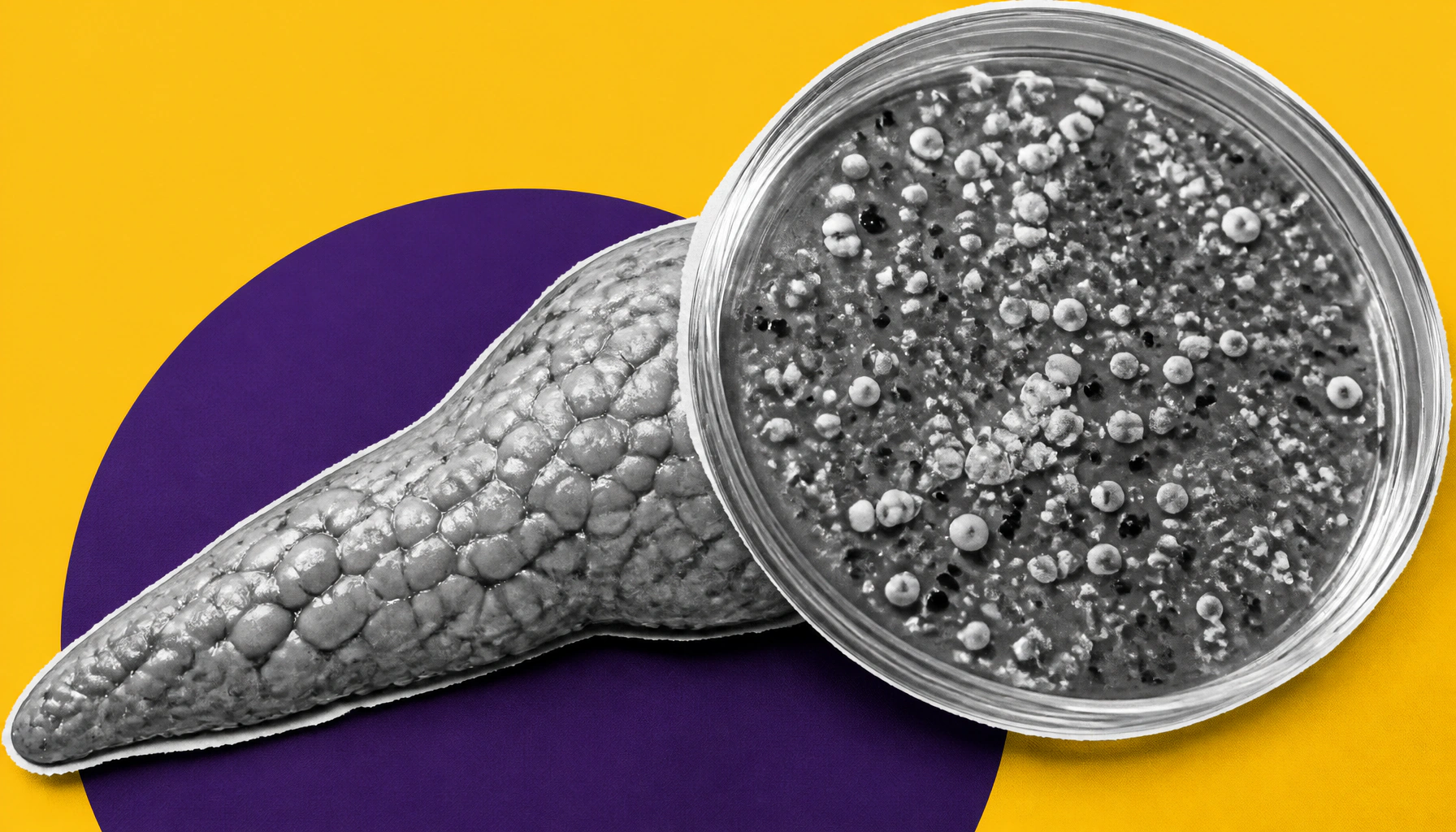
Gut bacteria just got a major upgrade. Researchers at the University of Chicago have engineered a probiotic bacterium to sneak into pancreatic tumors and release immune-boosting molecules directly on-site. In animal studies, the treatment slowed tumor growth on its own — and worked even better alongside chemotherapy, radiation, or immunotherapy.
Pancreatic cancer has long been one of oncology's toughest challenges, largely because its tumors create a "cold" immune environment that shuts out cancer-fighting cells. Now, University of Chicago researchers may have found a clever workaround: turning probiotic bacteria into microscopic drug factories that deliver therapy straight to the tumor.
The team engineered Bifidobacterium longum — a gut-friendly probiotic found in yogurt — to carry a modified form of interleukin-2 (IL-2), an immune-signaling molecule that activates cancer-fighting T cells. Because Bifidobacterium thrives in low-oxygen environments (like the inside of tumors), it naturally concentrates where treatment is needed most, sparing healthy tissue. In animal models, the therapy boosted CD8+ T cell activity, slowed tumor growth, and extended survival — with results improving significantly when combined with chemo, radiation, or anti-PD-L1 immunotherapy.
Key Takeaways:
Why it matters: Pancreatic cancer remains one of the deadliest cancers, with few effective treatment options. This "bugs as drugs" approach could offer a new way to make tumors more responsive to existing therapies — a potentially game-changing strategy if it holds up in human trials.