Loading Curie Briefs...
Getting the latest healthcare news for you
Getting the latest healthcare news for you

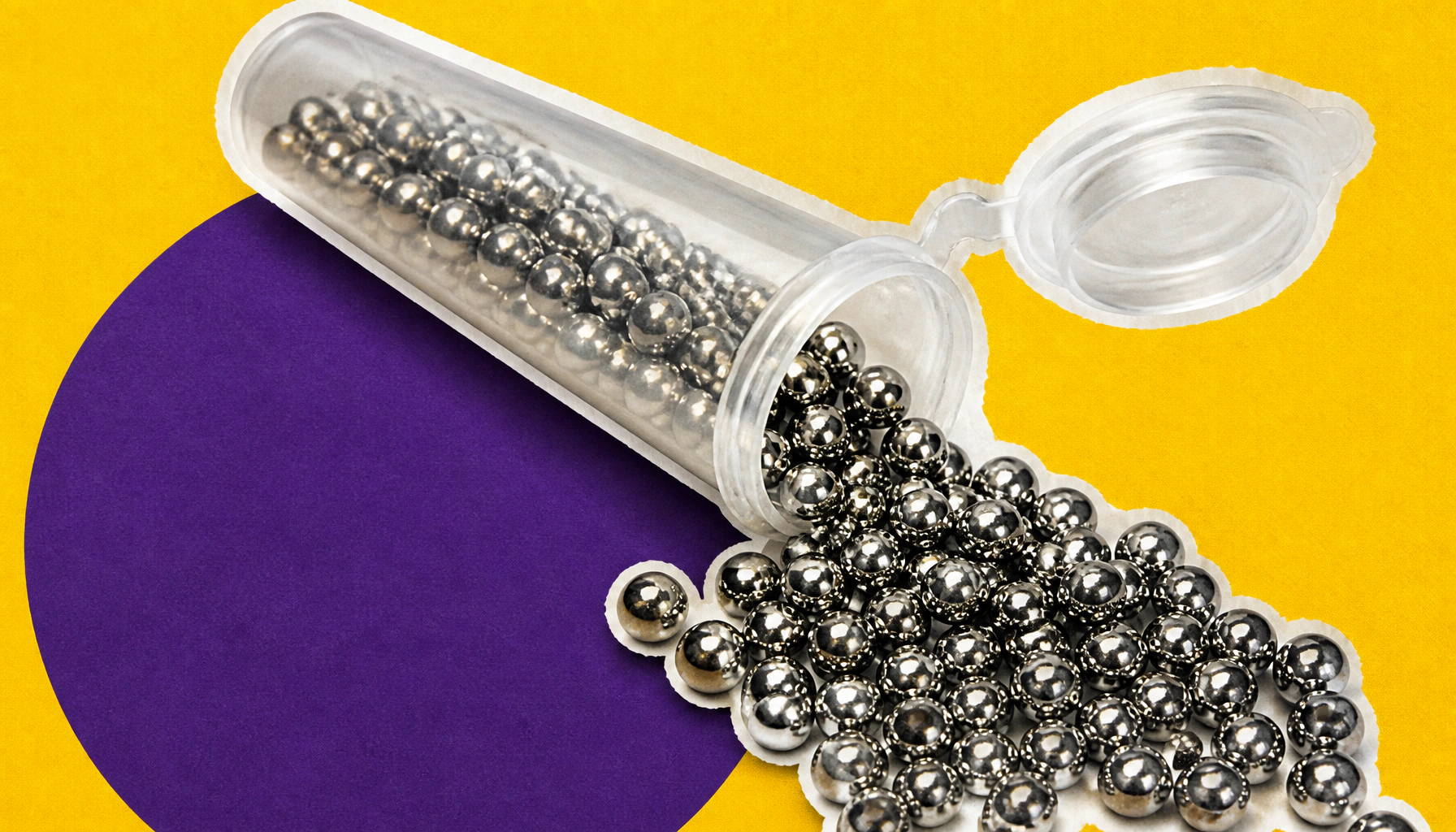
A Japanese research team has developed a silver nanoparticle-based technique that cuts and joins DNA fragments up to five times more efficiently than conventional restriction enzyme methods. By coating nanoparticles with a polymer, they achieved over 91% cleavage efficiency and boosted DNA recovery from 14% to 98%. The breakthrough could accelerate gene therapies, cancer vaccines, and engineered drugs.
Researchers at Nagoya University, in collaboration with Gifu University, have developed a silver nanoparticle-based method that dramatically improves how scientists cut and reassemble DNA. Published in Nucleic Acids Research, the technique overcomes key limitations of conventional restriction enzymes, which can only cut at specific sequences and tend to produce short "sticky ends" that reduce joining efficiency.
The team coated silver nanoparticles with polyethylene glycol (PEG) to stabilize them, enabling precise DNA cleavage at 50°C without damaging long DNA strands. A built-in purification effect — where unwanted fragments stick to nanoparticle surfaces — pushed DNA recovery from just 14% to 98%. The method was validated in human HeLa cells, which successfully expressed an assembled green fluorescent protein gene.
By the numbers:
Why it matters: More efficient DNA assembly could accelerate the development of mRNA-based cancer vaccines, gene therapies, artificial protein drugs, and genetically engineered crops — with researchers now working to scale the technique to join multiple DNA fragments simultaneously, a critical step toward building genome-scale DNA.