Loading Curie Briefs...
Getting the latest healthcare news for you
Getting the latest healthcare news for you

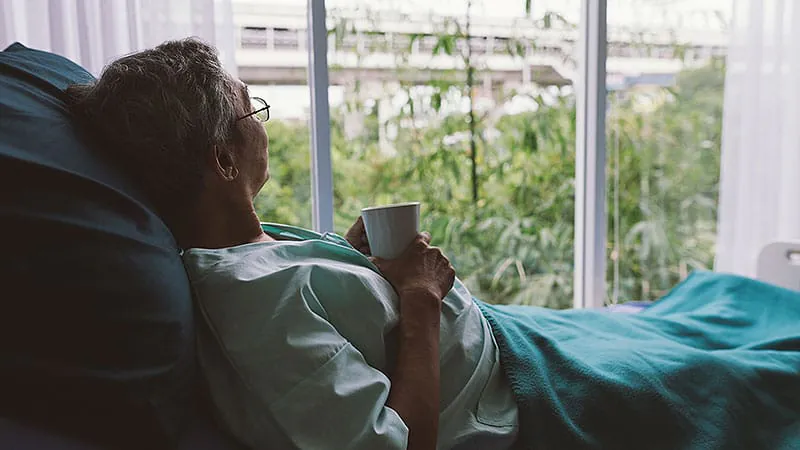
ERs built for older adults are making a big difference. Geriatric emergency departments (GEDs) — designed with thicker mattresses, delirium screening, medication reviews, and quieter rooms — are showing dramatic results: a 39% lower likelihood of hospital admission and a 38% reduction in 30-day mortality compared to standard ERs. With 624 accredited GEDs across the US, advocates say there's still a long way to go.
Standard emergency rooms were never really designed with older patients in mind — and it shows. Adults 75 and older visit the ER more than almost any other age group, yet they often face environments that can worsen their condition: bright lights, loud noise, long waits, and care focused on a single "chief complaint" rather than the complex web of chronic conditions most seniors bring with them.
Geriatric emergency departments (GEDs) flip that script. These accredited units incorporate senior-friendly protocols like delirium screening, cognitive assessments, medication reviews, thicker mattresses, sound-absorbing walls, and even loaner walkers and reading glasses. The goal isn't just to treat the immediate problem — it's to prevent hospitalization altogether, since hospital stays themselves can accelerate decline in older adults through infections, deconditioning, and medication errors. A new nationwide study using Medicare claims data makes the case compellingly.
Why it matters: With the US population aging rapidly, the gap between 624 accredited GEDs and 5,000+ total ERs represents a significant missed opportunity. Experts are urging patients and families to ask their hospitals why they haven't earned accreditation — because for older adults, the right ER environment can make a meaningful difference in outcomes.


