Loading Curie Briefs...
Getting the latest healthcare news for you
Getting the latest healthcare news for you

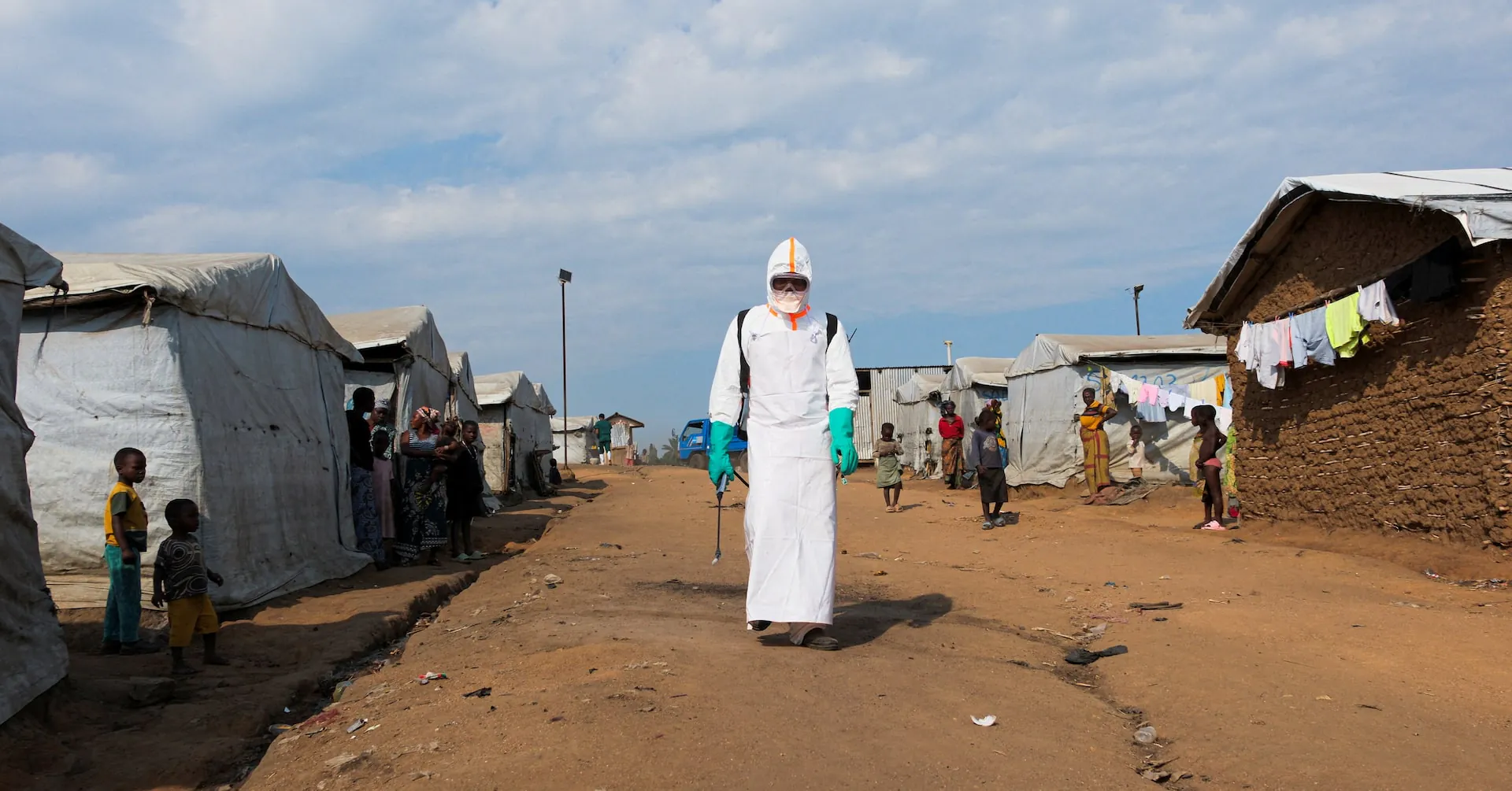
Congo's Ebola crisis hits a grim new milestone, with confirmed cases now topping 5,000 and deaths surpassing 2,378 — making it the deadliest outbreak in the country's history. The Bundibugyo strain driving the surge has no approved vaccines or treatments, and health officials warn that response efforts are falling short. Weak infrastructure, community resistance, and instability are all fueling the spread.
Congo's 17th Ebola outbreak has become both the largest and deadliest in the country's history, with confirmed cases now exceeding 5,000 and the death toll surpassing 2,378 as of August 19, 2026. The outbreak — caused by the Bundibugyo species of Ebola, for which no approved vaccines or treatments exist — was declared on May 15 and has rapidly outpaced all previous Congo outbreaks. It now ranks as the second-worst Ebola outbreak globally, behind only the 2014–2016 West Africa epidemic.
The crisis has spread beyond its original epicenter in Ituri province, reaching North Kivu, South Kivu, Haut-Uele, Tshopo, and Bas-Uele provinces. A motorcycle taxi driver who traveled from an affected province to previously unaffected Bas-Uele before dying highlighted the risk of further geographic spread. Health officials warn that the true scale of the outbreak may be 2–4 times larger than official figures, as four out of five new cases have no known link to existing patients.
By the Numbers:
Why it matters: With no approved treatments or vaccines for the Bundibugyo strain, and containment efforts hampered by weak health systems and community distrust, this outbreak poses a serious and escalating regional threat. The rising case fatality ratio signals that patients are being identified too late for care to be effective — a systemic failure that demands urgent international attention.


