Loading Curie Briefs...
Getting the latest healthcare news for you
Getting the latest healthcare news for you

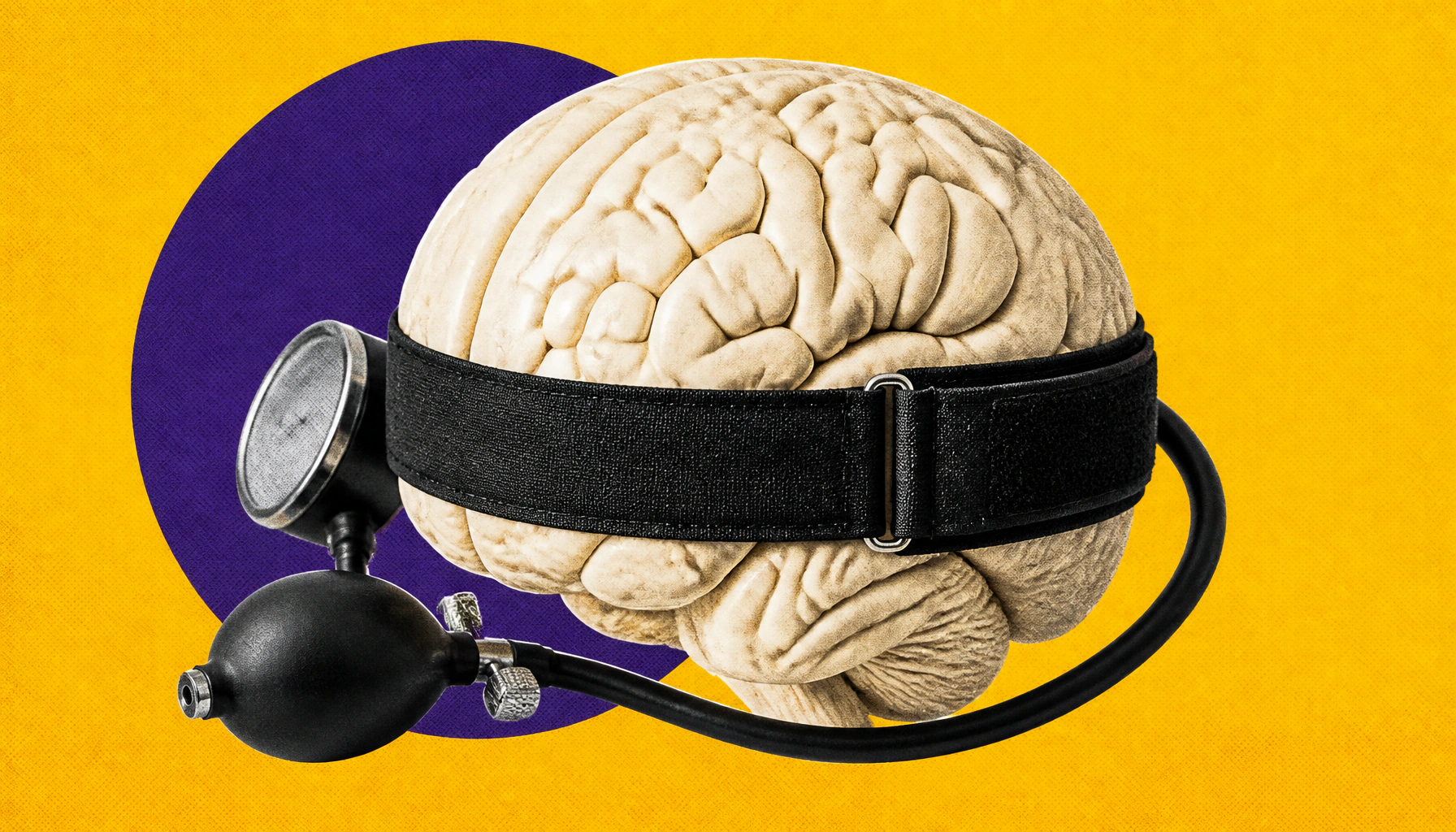
Keeping blood pressure low after a brain bleed pays off big. A new meta-analysis in The Lancet Neurology found that intensive blood pressure-lowering treatment reduced recurrent stroke risk by 38% over six years in patients who had a spontaneous intracerebral hemorrhage. That translates to roughly 16 fewer strokes per 1,000 patients treated within just one year.
Keeping blood pressure low after a brain bleed pays off big
A large meta-analysis published in The Lancet Neurology confirms that aggressively lowering blood pressure after a spontaneous intracerebral hemorrhage (brain bleed) significantly reduces the chances of having another stroke. Researchers pooled individual-level data from four randomized controlled trials involving nearly 3,000 patients, comparing intensive blood pressure-lowering treatment against standard care over a median follow-up of 42 months.
The benefits were consistent across patient subgroups regardless of age, sex, or disease severity. Notably, serious adverse events were actually less common in the intensive treatment group, suggesting the approach is safe when implemented within structured care pathways.
By the Numbers
Why it matters: Intracerebral hemorrhage survivors are at high risk for another stroke, and this study provides strong evidence that keeping systolic BP below 130 mmHg — starting before hospital discharge — can meaningfully change outcomes. Clinicians now have robust data to support early, sustained, and aggressive blood pressure management in this vulnerable population.