Loading Curie Briefs...
Getting the latest healthcare news for you
Getting the latest healthcare news for you

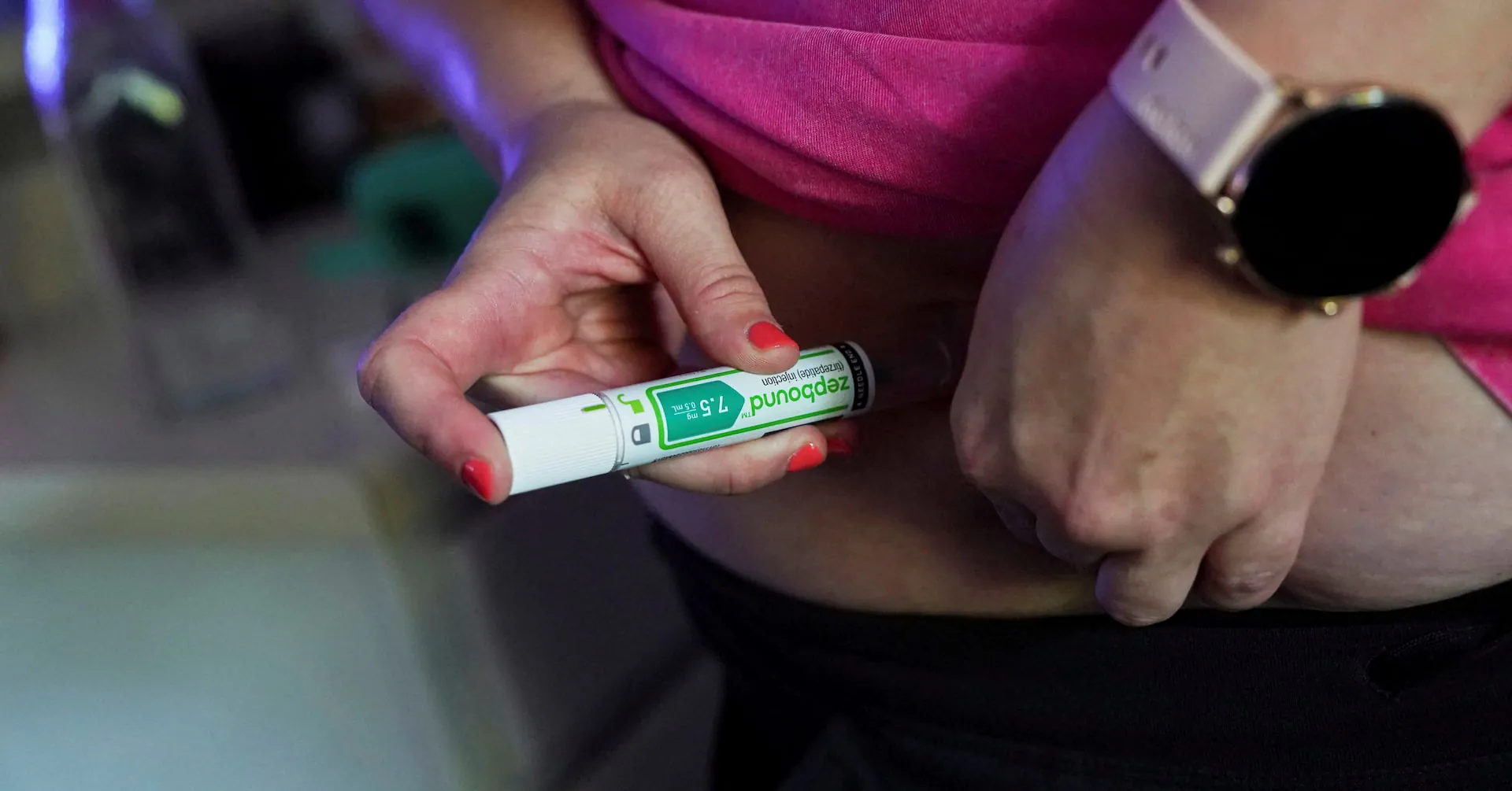
Good news for diabetes patients on tirzepatide: a new chart review found that adults with type 1 diabetes using the drug off-label had similar rates of new-onset diabetic retinopathy as those not taking it. The real culprit appears to be rapid drops in HbA1c — not the drug itself. Clinicians are still advised to keep up with routine eye exams and consider slower dose escalation in high-risk patients.
Tirzepatide (Mounjaro/Zepbound) has been under scrutiny for its potential effects on eye health, especially after semaglutide was linked to increased diabetic retinopathy risk in the SUSTAIN-6 trial. Now, two studies offer some reassurance. A retrospective chart review from the Barbara Davis Center for Diabetes found that adults with type 1 diabetes using tirzepatide off-label had similar rates of new-onset diabetic retinopathy (25.6%) compared to controls (29.2%). Separately, the SURPASS-CVOT retina substudy in high-risk type 2 diabetes patients showed no significant difference in retinopathy progression between tirzepatide and dulaglutide over 36 months.
The common thread across both studies: rapid HbA1c reduction — not tirzepatide itself — appears to be the key driver of retinopathy risk. When A1c dropped by 0.5 percentage points or more quickly, retinopathy rates were notably higher in both drug and control groups.
Key Takeaways:
Why it matters: Clinicians prescribing tirzepatide — especially off-label for type 1 diabetes — should prioritize routine eye exams and consider slower dose titration for patients with pre-existing or advanced retinopathy. The drug itself doesn't appear to be the problem; it's how fast blood sugar drops that warrants careful monitoring.