Loading Curie Briefs...
Getting the latest healthcare news for you
Getting the latest healthcare news for you

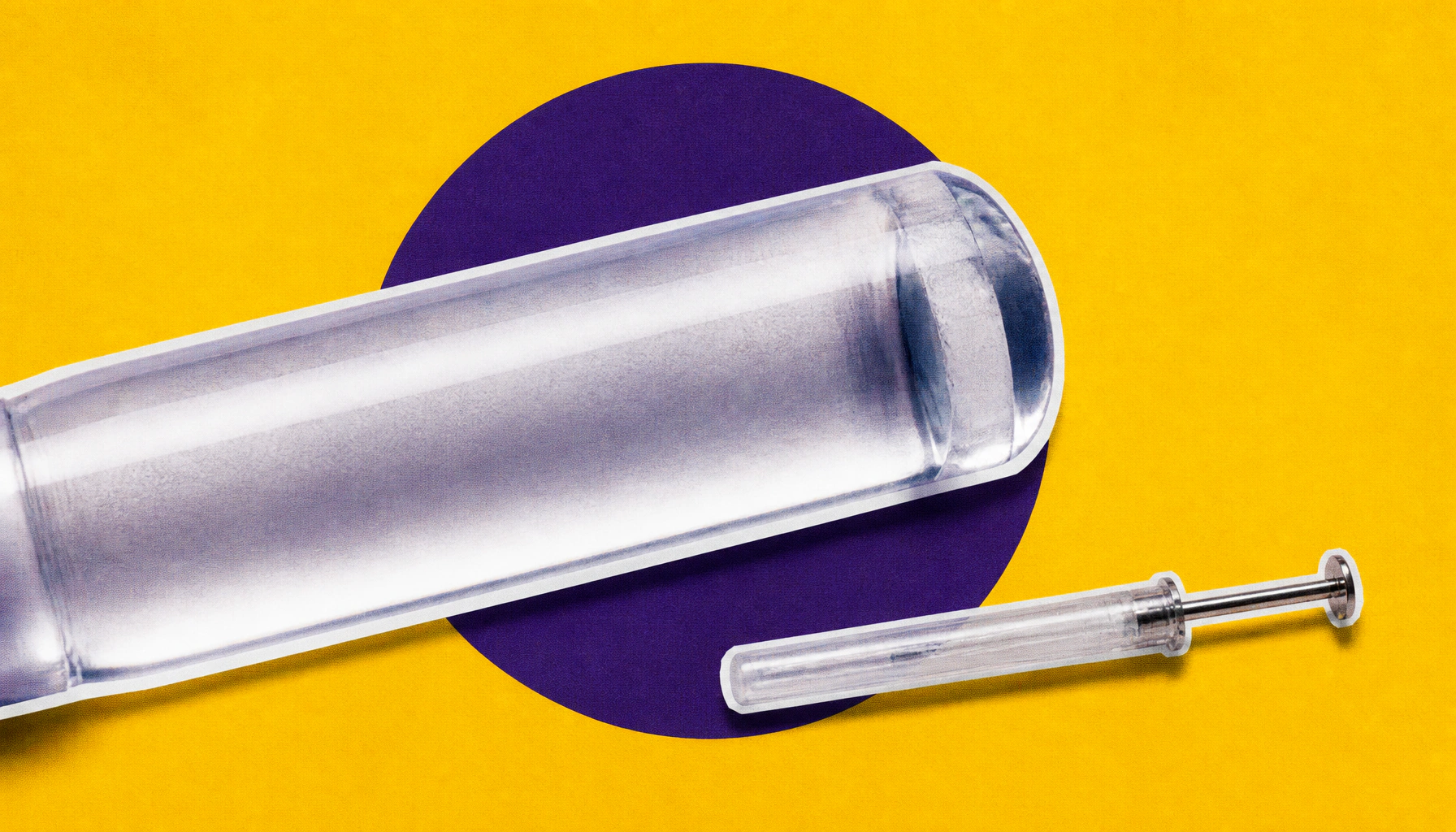
EyePoint Pharmaceuticals' sustained-release eye implant Duravyu fell short of its primary endpoint in the phase 3 LUGANO trial for wet age-related macular degeneration — but only when nine patients with unrelated vision loss were included. The drug still hit key secondary goals, cutting treatment burden by 42% and keeping most patients injection-free for months. EyePoint is now eyeing FDA discussions if its second phase 3 trial, LUCIA, comes back positive.
EyePoint Pharmaceuticals' Duravyu (vorolanib intravitreal insert) didn't quite clear the bar in the phase 3 LUGANO trial for wet age-related macular degeneration (AMD), missing its primary endpoint of noninferior best-corrected visual acuity at 56 weeks in the full dataset. The culprit? Nine patients in the Duravyu arm — all elderly, averaging 78 years old — lost significant vision due to causes unrelated to wet AMD, such as cataracts or glaucoma. When those patients were excluded in an ad hoc analysis, the implant did achieve noninferiority (P = .0096), and EyePoint believes the imbalance is a statistical anomaly rather than a drug safety signal.
On the bright side, Duravyu delivered on several secondary fronts. The implant reduced treatment burden by 42% compared to standard aflibercept injections — translating to roughly two fewer injections per year — and showed strong anatomic control with a favorable safety profile.
By the Numbers:
Why it matters: Wet AMD is a leading cause of vision loss in older adults, and current treatments require frequent injections that many patients struggle to maintain. A durable, sustained-release option like Duravyu could meaningfully reduce that burden — if the companion LUCIA trial delivers a cleaner win.