Loading Curie Briefs...
Getting the latest healthcare news for you
Getting the latest healthcare news for you

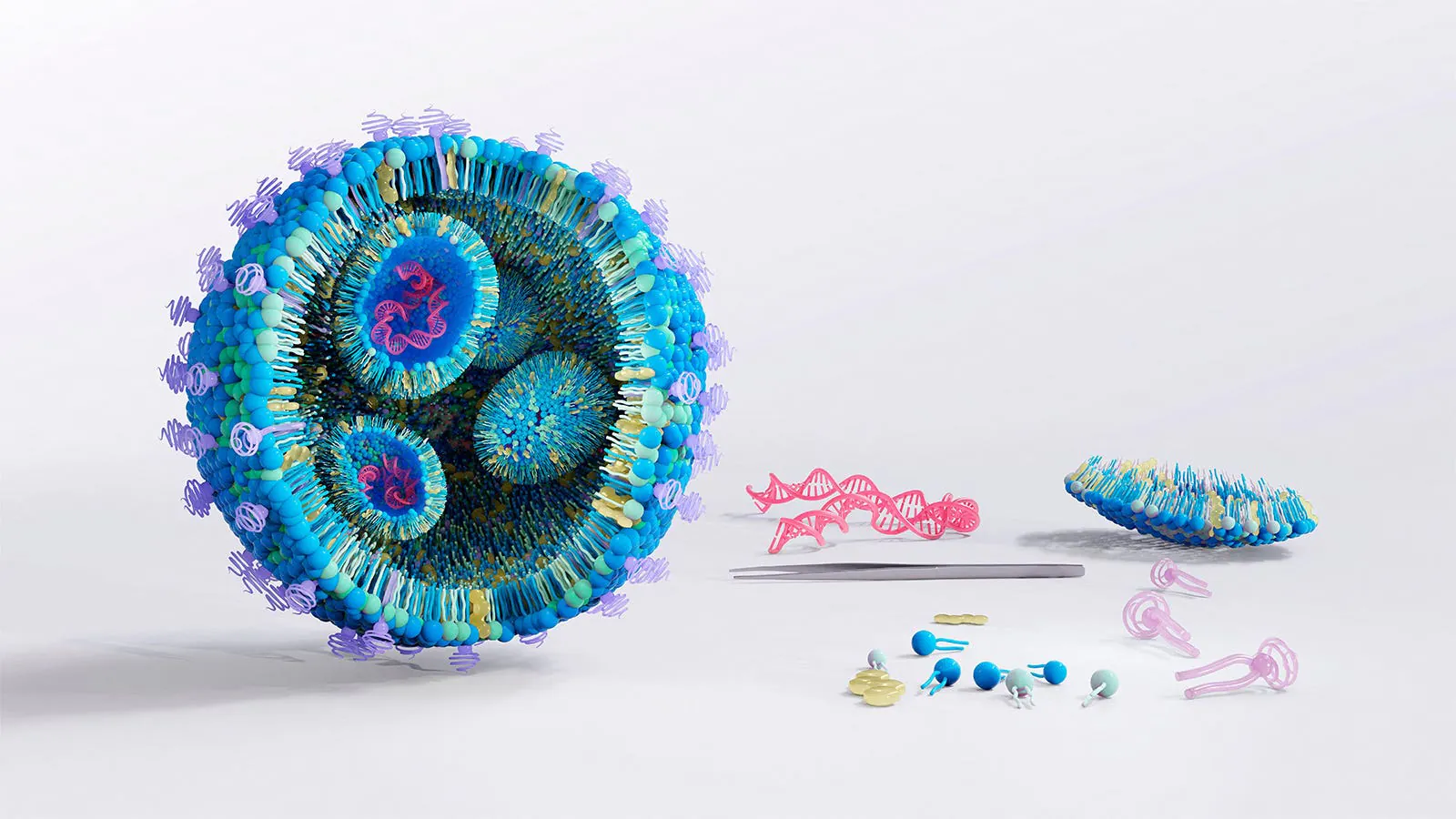
Gene editing is advancing fast, but recent deaths in Chinese clinical trials are a sobering reminder that speed without oversight can be fatal. A 6-year-old girl named Mei died after an experimental gene-editing therapy in China, where regulatory review is less stringent. Experts argue that ethical guardrails and genuine informed consent are non-negotiable — especially when patient desperation and scientific optimism push everyone to move too fast.
Gene-editing therapies are delivering remarkable results — from the FDA's 2023 approval of Casgevy for sickle cell disease to Baby KJ's successful bespoke base-editing treatment for a rare metabolic disorder. But the technology's rapid rise is also exposing serious risks, as two recent deaths in Chinese clinical trials have made painfully clear.
A 6-year-old girl named Mei died from thrombotic microangiopathy after receiving a high-dose adeno-associated virus gene-editing therapy in China — a treatment her parents desperately sought for her developmental disabilities. Separately, a child with Duchenne muscular dystrophy died from a severe immune response in another Chinese trial, a death that went unreported for nearly a year. In both cases, researchers failed to disclose troubling findings from prior animal studies, raising serious questions about informed consent and transparency.
The authors draw a direct parallel to Jesse Gelsinger, who died in a 1999 U.S. gene therapy trial after similar disclosure failures — a cautionary tale the field appears to be repeating.
Key Takeaways:
Why it matters: As individualized gene-editing therapies race toward patients, the field must ensure that efficiency never comes at the expense of transparency, ethical oversight, and genuine informed consent — or history will keep repeating itself.


