Loading Curie Briefs...
Getting the latest healthcare news for you
Getting the latest healthcare news for you

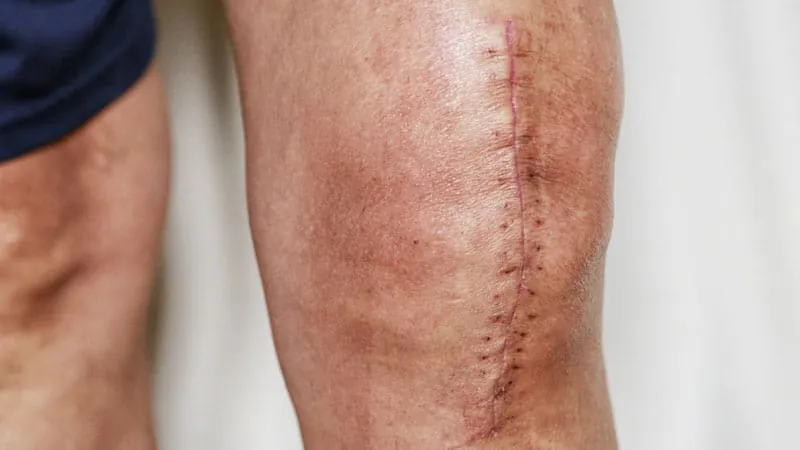
Sutures have been around for 5,000 years, but a new wave of innovation is pushing them far beyond simple wound closure. From antimicrobial coatings and drug-eluting threads to biosensor-equipped "smart" sutures that can wirelessly flag infections, the humble stitch is getting a serious upgrade. Experts are excited — but also urge caution until stronger clinical evidence catches up with the technology.
Sutures have been a surgical staple for millennia, but the materials haven't changed much — until now. Researchers and clinicians are developing a new generation of sutures designed to do far more than hold tissue together. Because sutures sit at the wound interface during the most infection-vulnerable phase of healing (the first 1–2 weeks post-op), they're an ideal vehicle for delivering targeted therapies right where they're needed most.
Two types are already in clinical use: barbed knotless sutures, which grip tissue without knots and speed up wound closure, and antimicrobial sutures coated with triclosan, silver nanoparticles, or chlorhexidine to reduce surgical site infections. A 2025 meta-analysis confirmed triclosan-coated sutures significantly cut infection rates, and a separate analysis of over 10,000 patients undergoing abdominal closure echoed those findings.
On the horizon are smart sutures embedded with biosensors that monitor pH, temperature, and glucose — some even capable of wirelessly transmitting data to clinicians. Color-changing sutures that visually signal infection or wound stress offer a lower-tech alternative requiring no digital infrastructure.
Key Takeaways:
Why it matters: These innovations could transform post-operative care by catching complications earlier and reducing infections — but experts caution that clinical evidence needs to keep pace with the excitement before widespread adoption.