Loading Curie Briefs...
Getting the latest healthcare news for you
Getting the latest healthcare news for you

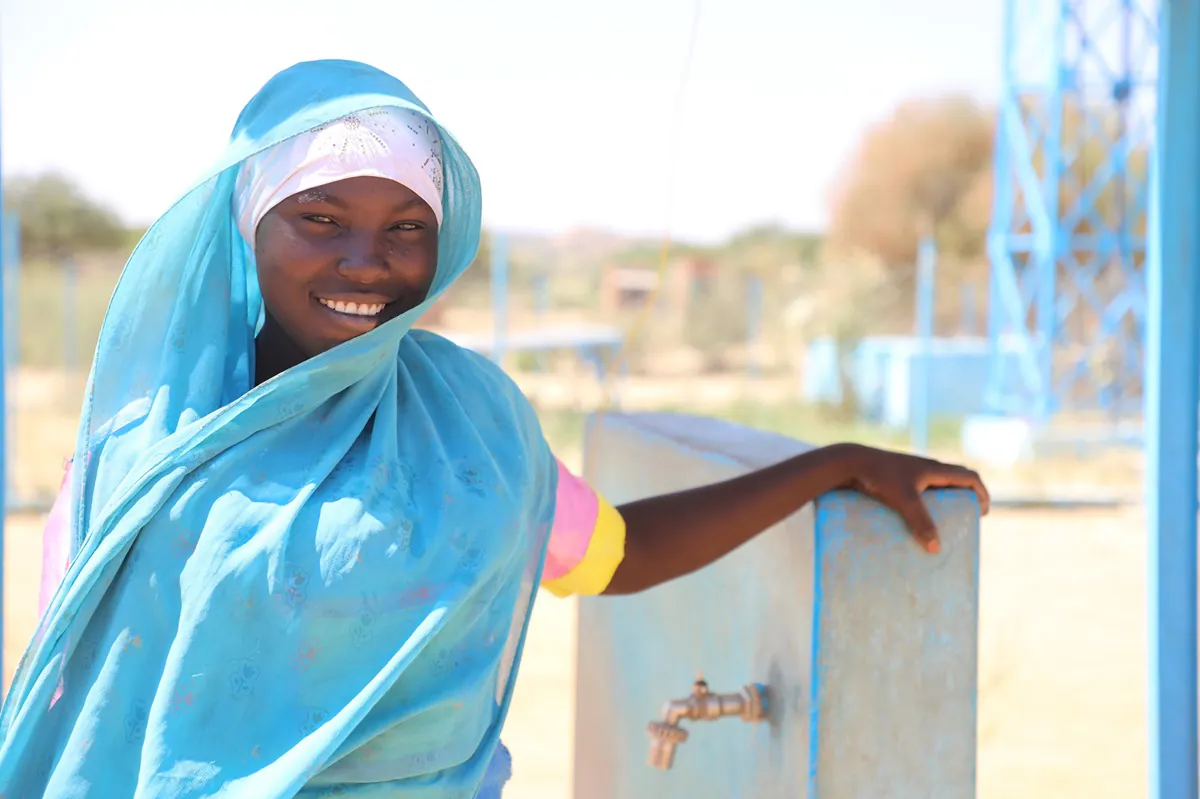
A new WHO/UNICEF report reveals that despite progress since 2015, only 40% of health-care facilities worldwide meet basic sanitation standards and just 59% meet environmental cleaning standards. These gaps leave patients and health workers vulnerable to preventable infections and antimicrobial resistance. The report calls for stronger monitoring, financing, and national action plans to close the divide.
A landmark WHO/UNICEF report has delivered the clearest global picture yet of water, sanitation, hygiene (WASH), environmental cleaning, and waste management in health-care facilities — and the findings are sobering. While progress has been made since 2015, critical gaps persist: only 40% of facilities meet basic sanitation standards and just 59% meet environmental cleaning standards, exposing billions of people to preventable health risks every time they seek care.
The shortfalls aren't just about missing toilets. To qualify as "basic," sanitation facilities must be usable, sex-separated, accessible to people with disabilities, and equipped for menstrual hygiene — requirements that roughly half of facilities fail to meet. On the environmental cleaning front, 18% of facilities lack both cleaning protocols and trained staff, affecting a population of approximately 1.5 billion people. In least developed countries, only 24% meet the basic cleaning standard.
By the Numbers:
Why it matters: Poor WASH conditions in health-care settings directly fuel healthcare-associated infections and antimicrobial resistance — two of the biggest threats to global health. The report arrives alongside a new UN General Assembly resolution pushing for stronger national standards and costed action plans, signaling growing political will to finally close these dangerous gaps.


