Loading Curie Briefs...
Getting the latest healthcare news for you
Getting the latest healthcare news for you

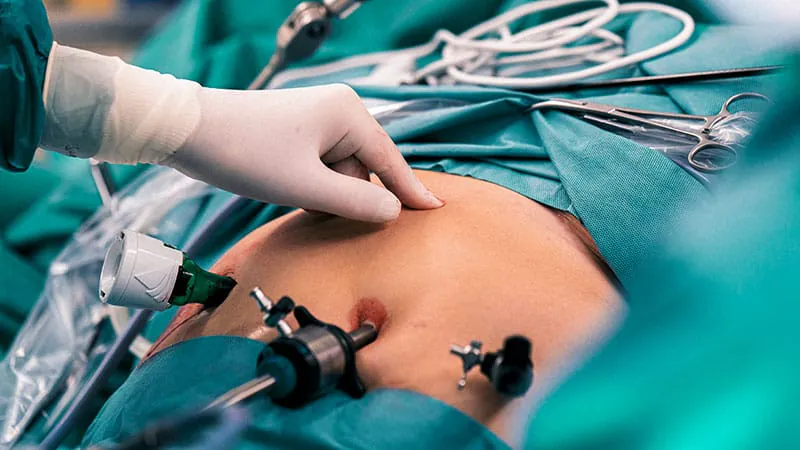
One drink after bariatric surgery isn't what it used to be. A new study found that peak blood alcohol levels can double after Roux-en-Y gastric bypass or sleeve gastrectomy, with patients hitting their max alcohol concentration in half the time. Experts say clinicians need to make alcohol risk counseling a routine — and early — part of bariatric care.
A new study in the International Journal of Obesity found that bariatric surgery dramatically changes how the body processes alcohol. Patients who underwent Roux-en-Y gastric bypass (RYGB) or sleeve gastrectomy (SG) saw their peak blood alcohol levels double post-surgery, reaching that peak in half the time compared to before the procedure. The effect was even stronger with RYGB — producing 27% higher blood alcohol peaks and 31% faster time to maximum concentration than SG.
Experts stress this isn't a reason to avoid bariatric surgery, which remains highly effective — 90% of patients lose at least 50% of excess body weight long term. But alcohol risk needs to be front and center in pre-op conversations, not an afterthought.
Key Takeaways:
Why it matters: Patients may not realize their pre-surgery alcohol tolerance is no longer a valid guide. Clinicians should counsel patients early, screen carefully, and factor alcohol-related risks into procedure selection.