Loading Curie Briefs...
Getting the latest healthcare news for you
Getting the latest healthcare news for you


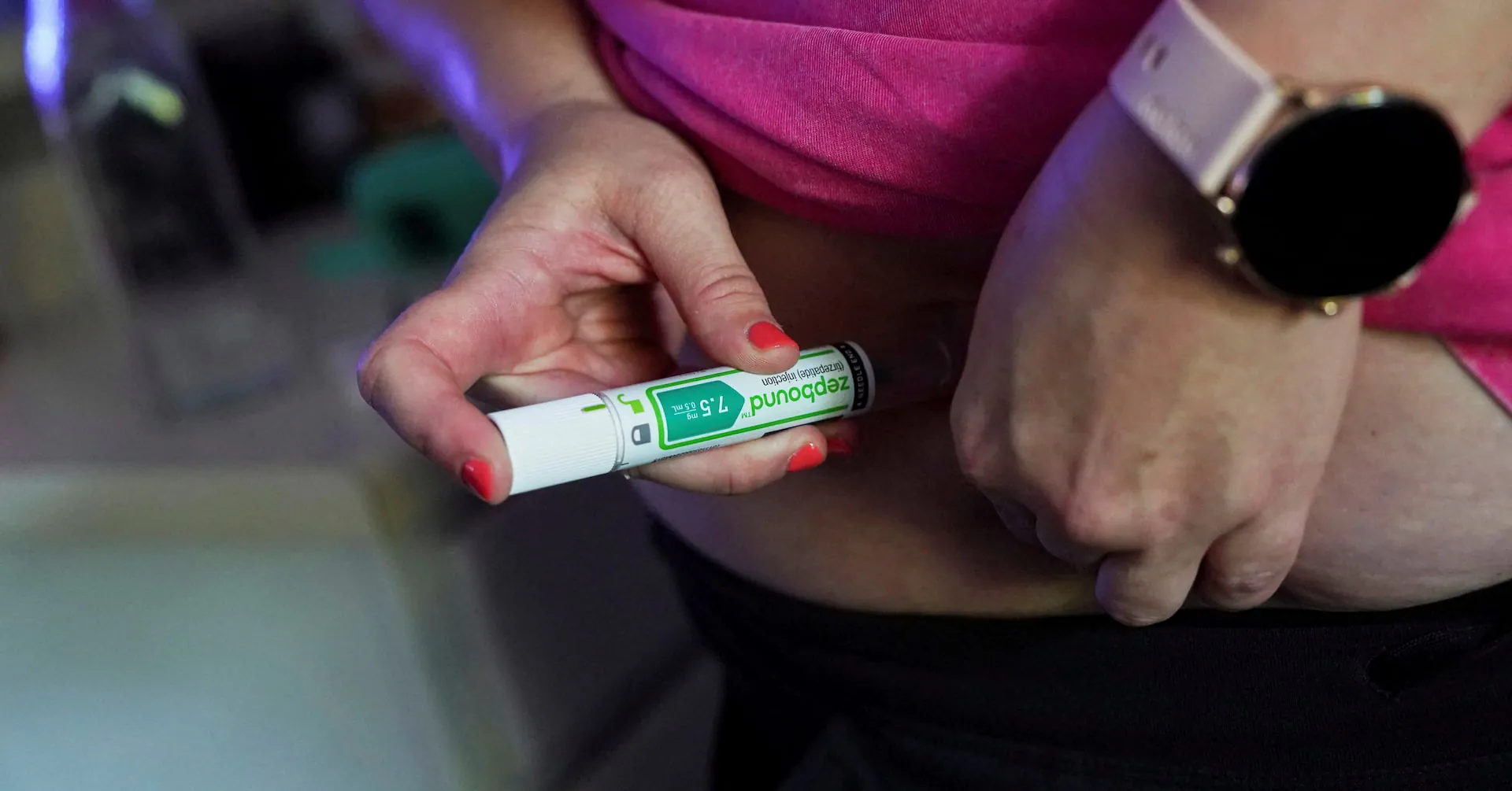
Two primary care physicians share a grounded take on GLP-1 medications: transformative for the right patients, but best paired with lifestyle changes, not used as a standalone fix. From quieting "food noise" to curbing alcohol cravings, these drugs are opening new doors — but the real work still happens in the quiet they create.
GLP-1 receptor agonists have reshaped how primary care physicians approach obesity, diabetes, and even addiction — but two PCPs are urging a more nuanced view. In a candid expert column, Drs. Resa Lewiss and Lucy McBride argue that GLP-1s are best understood as a powerful tool in a broader treatment plan, not a replacement for lifestyle change, therapy, or root-cause thinking.
McBride describes prescribing GLP-1s when patients are ready to pair them with dietary protein, resistance exercise, and close medical monitoring. She highlights their ability to reduce "food noise" — the constant mental chatter around eating — as one of their most underappreciated benefits. For patients with type 2 diabetes and cardiovascular risk, she points to the SELECT trial as evidence that these drugs can be genuinely disease-modifying.
Perhaps most intriguingly, McBride is prescribing GLP-1s off-label for alcohol dependence, citing their effect on the brain's dopamine reward circuitry — though she cautions that medication alone isn't a cure for addiction.
Key Takeaways:
Why it matters: As GLP-1 prescriptions surge, this perspective offers a timely reminder for clinicians: these medications are most effective when matched to the right patient, paired with behavioral support, and used to open conversations — not close them.