Loading Curie Briefs...
Getting the latest healthcare news for you
Getting the latest healthcare news for you

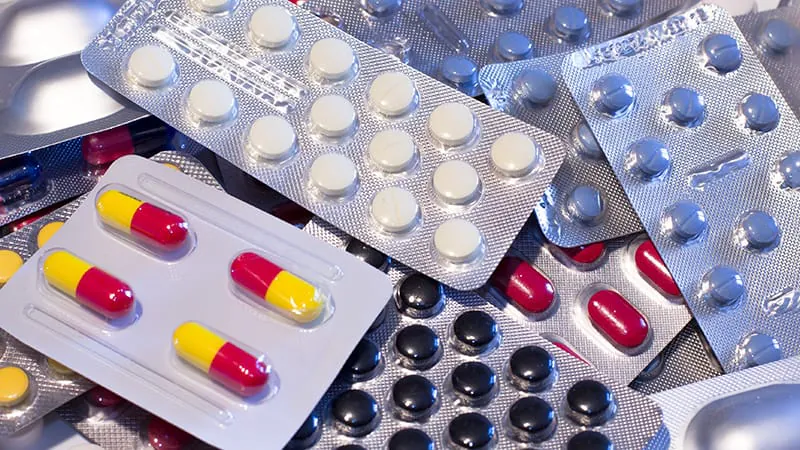
Pharmacists play a uniquely powerful role in catching adverse drug reactions early, thanks to their accessibility and close patient relationships. Reporting suspected reactions — even without confirmed causality — is a key part of their patient care duties. Every report submitted feeds into pharmacovigilance systems that can trigger label changes, safety alerts, or even drug withdrawals.
Pharmacists are often the first point of contact for patients experiencing unexpected medication effects — and that puts them in a prime position to strengthen drug safety. While medicines go through rigorous clinical trials before hitting the market, some adverse effects only emerge in real-world use across larger, more diverse populations. That's where spontaneous adverse reaction reporting becomes critical.
The guidance is straightforward: if a reaction is suspected, report it. Pharmacists don't need to prove causation — that's the job of pharmacovigilance centers. Special attention should go to serious reactions (hospitalization, disability, death), unexpected effects not listed in prescribing information, reactions in pediatric patients, and cases involving vaccines, biologics, or medications under additional monitoring (marked with a ▼ symbol).
A valid report needs just four elements: the suspected medication, a description of the reaction, basic patient info, and the reporter's contact details.
Key Takeaways:
Why it matters: Every report — even uncertain ones — contributes to a broader safety net that protects patients long after a drug reaches the market.


