Loading Curie Briefs...
Getting the latest healthcare news for you
Getting the latest healthcare news for you

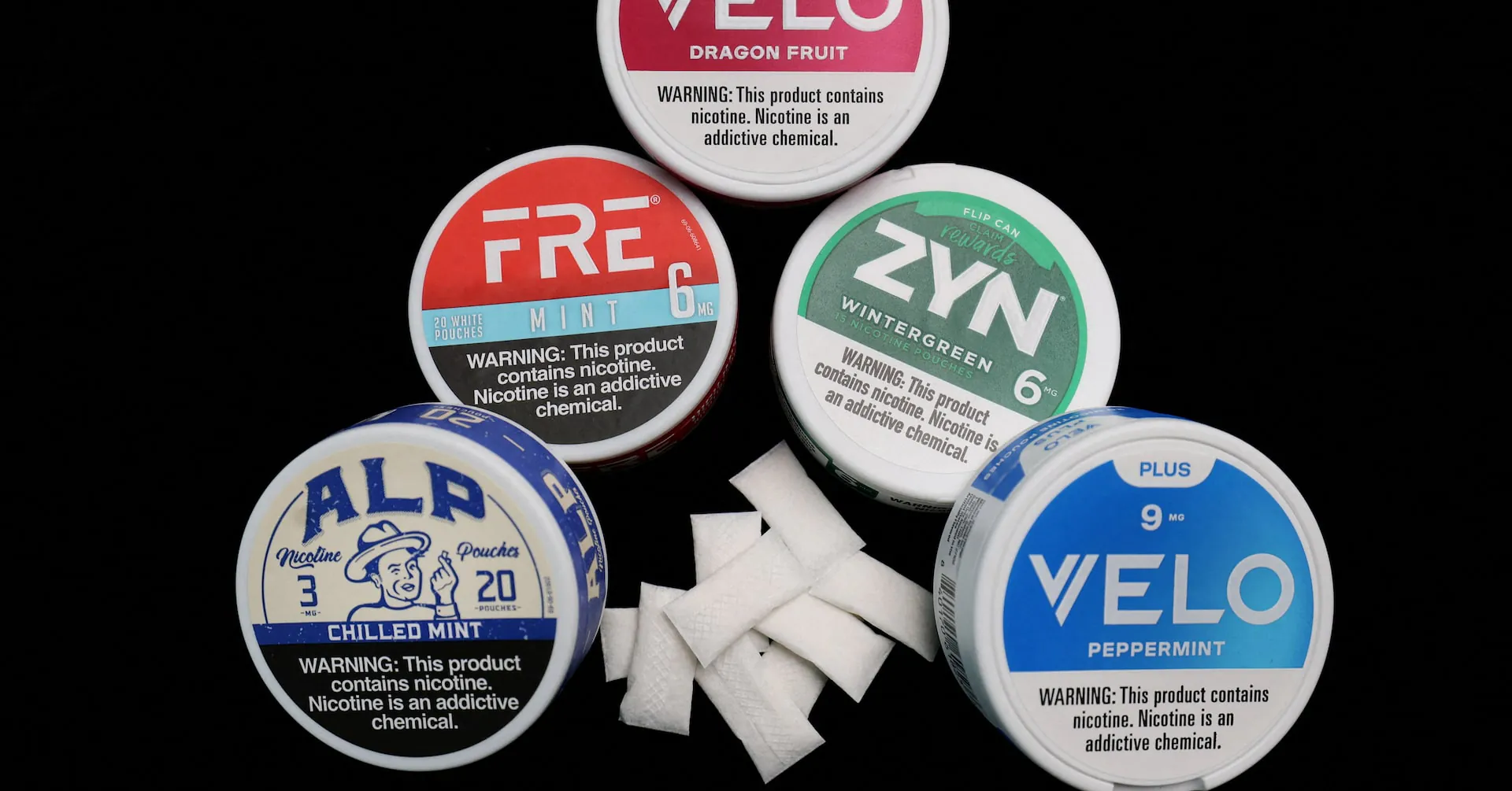
Nicotine pouches are booming, and Big Tobacco is betting big on them as cigarette sales decline. Brands like Zyn and Velo are growing faster than vapes and heated tobacco, with higher profit margins — but cultural barriers and rising regulatory scrutiny could slow their global ambitions. The WHO has flagged aggressive marketing and high nicotine strengths as key concerns.
Nicotine pouches — small packets placed under the lip that deliver nicotine without tobacco — are emerging as one of the tobacco industry's fastest-growing and most profitable product categories. Companies like Philip Morris International (Zyn) and British American Tobacco (Velo) are banking on pouches to replace declining cigarette revenues, citing faster growth rates, higher margins, and lighter regulation compared to vapes and heated tobacco products.
The appeal is clear: pouches produce no smoke or vapor, making them usable in more settings, and Big Tobacco dominates the market — unlike vaping, where Chinese competitors hold significant share. BAT projects global pouch industry revenue will hit £11 billion by 2030, up from £4 billion in 2025, with 47 million users expected by then.
But the road ahead isn't without obstacles. Cultural unfamiliarity with oral nicotine in many markets remains the biggest barrier to wider adoption, analysts say. Regulators are also catching up — France has banned pouches outright, Finland has introduced restrictions, and the WHO has called for tighter global controls, noting 160 countries still lack specific pouch regulations.
By the Numbers:
Why it matters: As cigarettes lose ground, nicotine pouches represent a major public health inflection point — offering potentially reduced harm for smokers who switch, but raising serious concerns about youth uptake and marketing practices in under-regulated markets worldwide.


