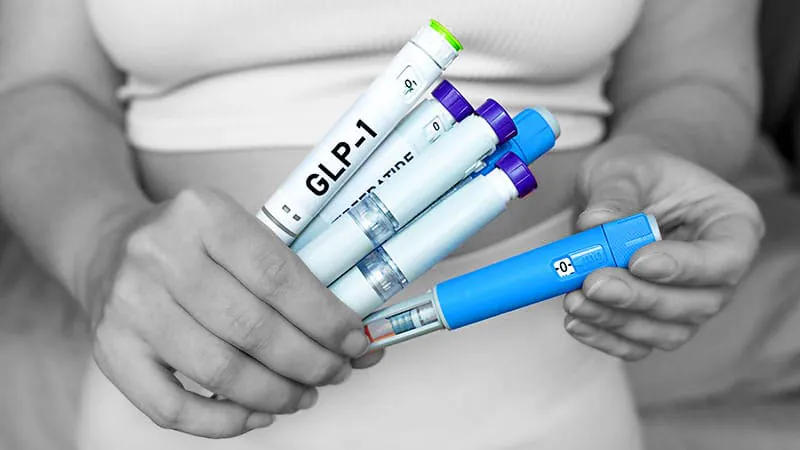
A record 11% of U.S. adults — roughly 40 million people — are now taking GLP-1 medications for weight loss, nearly quadrupling from 3% in 2024. Medicare's new GLP-1 Bridge program, which launched July 1, offers eligible Part D enrollees access to Wegovy, Zepbound, and Foundayo for just $50/month through end of 2027. Demand is surging, but questions about sustainability, access gaps, and clinical support remain.
GLP-1 use in the U.S. has hit a record high, with 11% of adults — about 40 million people — now taking the medications for weight loss, up from just 3% in 2024, according to Gallup's National Health and Well-Being Index. That surge may accelerate further with the launch of Medicare's GLP-1 Bridge program on July 1, which offers eligible Part D enrollees Wegovy, Zepbound KwikPens, and Foundayo for a flat $50/month copay through December 2027. The program fills a long-standing gap, as Medicare has historically been barred by law from covering weight-loss drugs.
KFF estimates nearly 4 million Medicare beneficiaries meet the eligibility criteria, though drugmakers Eli Lilly and Novo Nordisk put that figure as high as 20 million. Doctors and pharmacists are bracing for a wave of demand, raising concerns about prior authorization bottlenecks, limited pharmacy inventories, and insufficient clinical support — particularly for older adults at risk of muscle loss and bone density reduction during rapid weight loss.
By the Numbers
Why it matters: The GLP-1 Bridge is a landmark shift in federal drug coverage policy, opening obesity treatment to millions of older Americans for the first time. But its temporary nature and lack of long-term funding raise serious questions about what happens to patients after 2027 — and whether the healthcare system can handle the surge in demand safely.