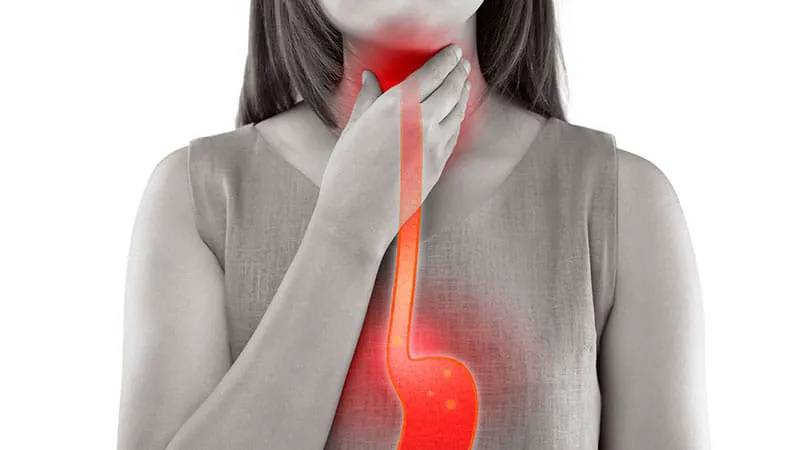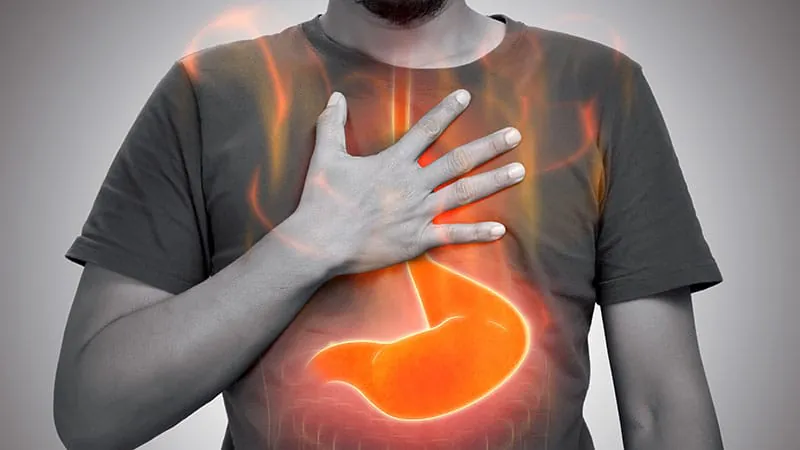
Feeling anxious could be undermining your acid reflux treatment. A new study found that higher anxiety levels are strongly linked to poorer response to proton pump inhibitors (PPIs) across all GERD types — especially in patients without confirmed reflux disease. Researchers say screening for anxiety could help doctors tailor treatment and cut down on unnecessary PPI prescriptions.
If your heartburn medication isn't doing the job, your mental health might be part of the story. A new study published in Clinical Gastroenterology and Hepatology found that anxiety severity is independently associated with failing to respond to proton pump inhibitors (PPIs) — the go-to treatment for gastroesophageal reflux disease (GERD). This held true across all GERD subtypes, but was especially pronounced in patients without objective evidence of reflux.
The study followed 204 patients who had been on PPI therapy for at least 8 weeks. Researchers used the Hamilton Anxiety Rating Scale (HAM-A) to measure anxiety and tracked symptom improvement. Nonresponders had significantly higher anxiety scores than responders, and severe anxiety predicted PPI nonresponse with 91% specificity in the overall cohort.
By the Numbers:
Why it matters: These findings suggest that routinely assessing anxiety in GERD patients — particularly those without confirmed reflux — could improve treatment decisions and reduce inappropriate PPI use, a growing concern given the long-term risks of overuse.