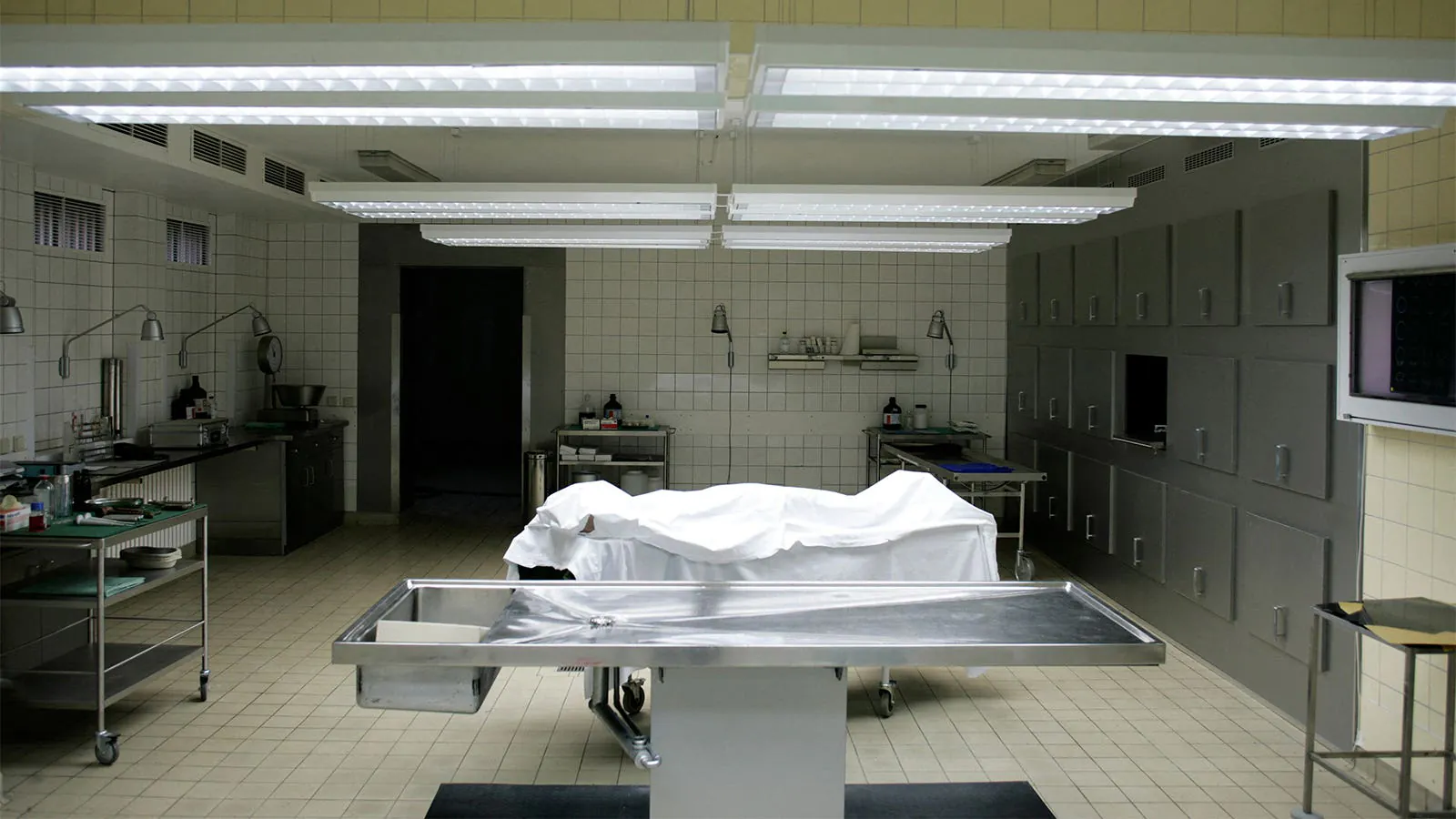
An Arizona toddler was declared dead after a pool accident — only to be found breathing five hours later in the morgue. Forensic pathologist Judy Melinek, MD, uses the case to explain why declaring death is far more complex than most people realize, and why hospital transparency matters when things go wrong.
An Arizona toddler was declared dead by a hospital physician following a pool accident, only to be discovered breathing five hours later by staff from the Maricopa County Medical Examiner's Office. The child was resuscitated and transferred to another hospital, where they received life-saving care. Family members and police officers had reportedly raised concerns that the child was still breathing — concerns that were dismissed by medical staff.
Forensic pathologist Judy Melinek, MD, uses the case to unpack why declaring death is genuinely difficult. From hypothermia in drowning victims (where the rule is "not dead until warm and dead") to locked-in syndrome and the pitfalls of misused EKG or EEG equipment, even experienced clinicians can get it wrong. Different settings — hospitals, the field, the morgue — follow different protocols, none of which are foolproof.
Key Takeaways:
Why it matters: This case highlights critical gaps in death-declaration protocols and the urgent need for hospital transparency. When institutions avoid explaining systemic failures, public trust erodes — and preventable tragedies may repeat.