Physicians are sold on wearables, but the system isn't. A new AMA survey of 2,200+ doctors across six countries found that 97% have reviewed wearable data, yet fewer than 6% have actually integrated it into clinical workflows. Reimbursement gaps, liability concerns, and poor EHR integration are the main culprits holding back widespread adoption.
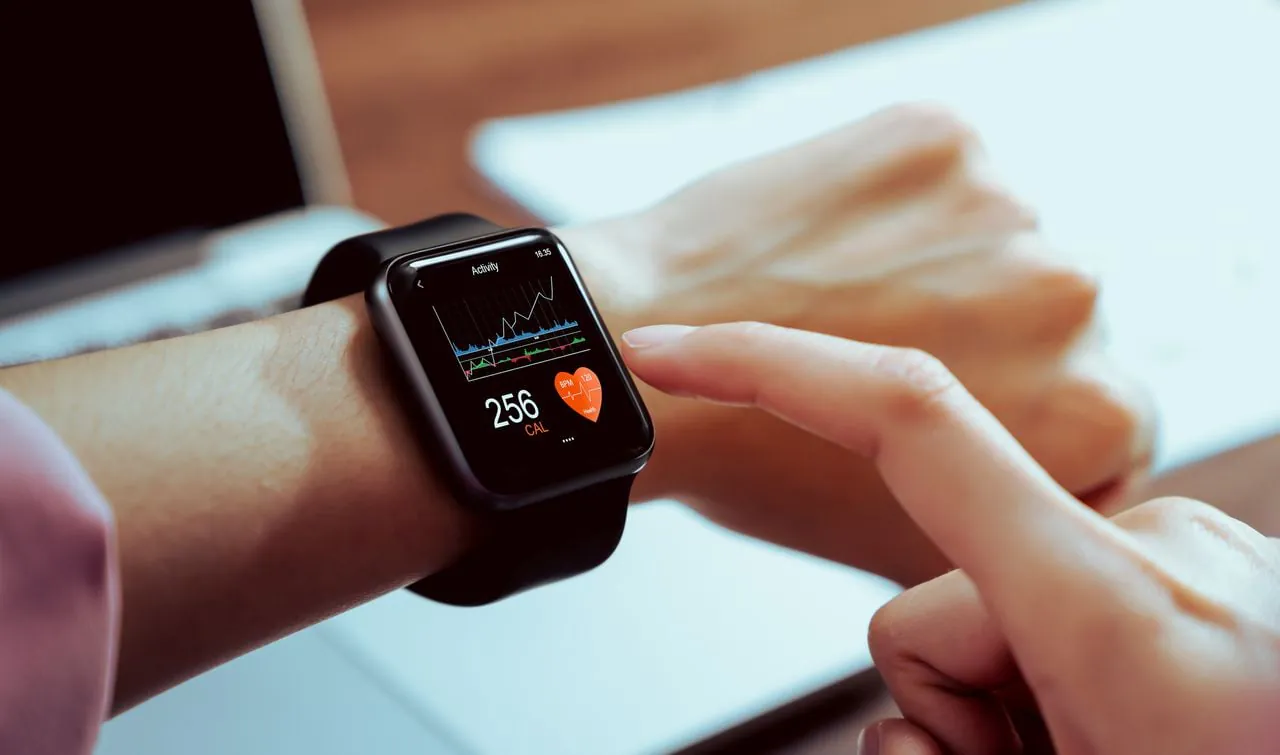
Physicians are enthusiastic about wearable health data — but structural barriers are keeping it out of clinical practice. A new survey from the American Medical Association and Medscape, covering more than 2,200 doctors across the U.S., Canada, UK, France, Germany, and Spain, found that 97% of physicians have reviewed data from patient wearables like smartwatches and fitness trackers. Yet fewer than 6% of doctors in any country have actually integrated that data into their clinical workflows.
The disconnect isn't about motivation — it's about infrastructure. Doctors cite a lack of reimbursement pathways, unclear liability frameworks, poor EHR integration, and insufficient clinical validation of device algorithms as the top barriers. In the U.S., existing CPT remote monitoring codes don't cover consumer-grade wearables, leaving physicians with no dedicated billing pathway. Germany, which has the DiGA reimbursement pathway for digital health apps, showed the highest integration rates and fewest clinical concerns.
Key Takeaways:
Why it matters: With nearly half of Americans owning a smartwatch or health-tracking ring, the gap between available data and clinical use represents a major missed opportunity — one that better policy, payment reform, and smarter tech design could help close.