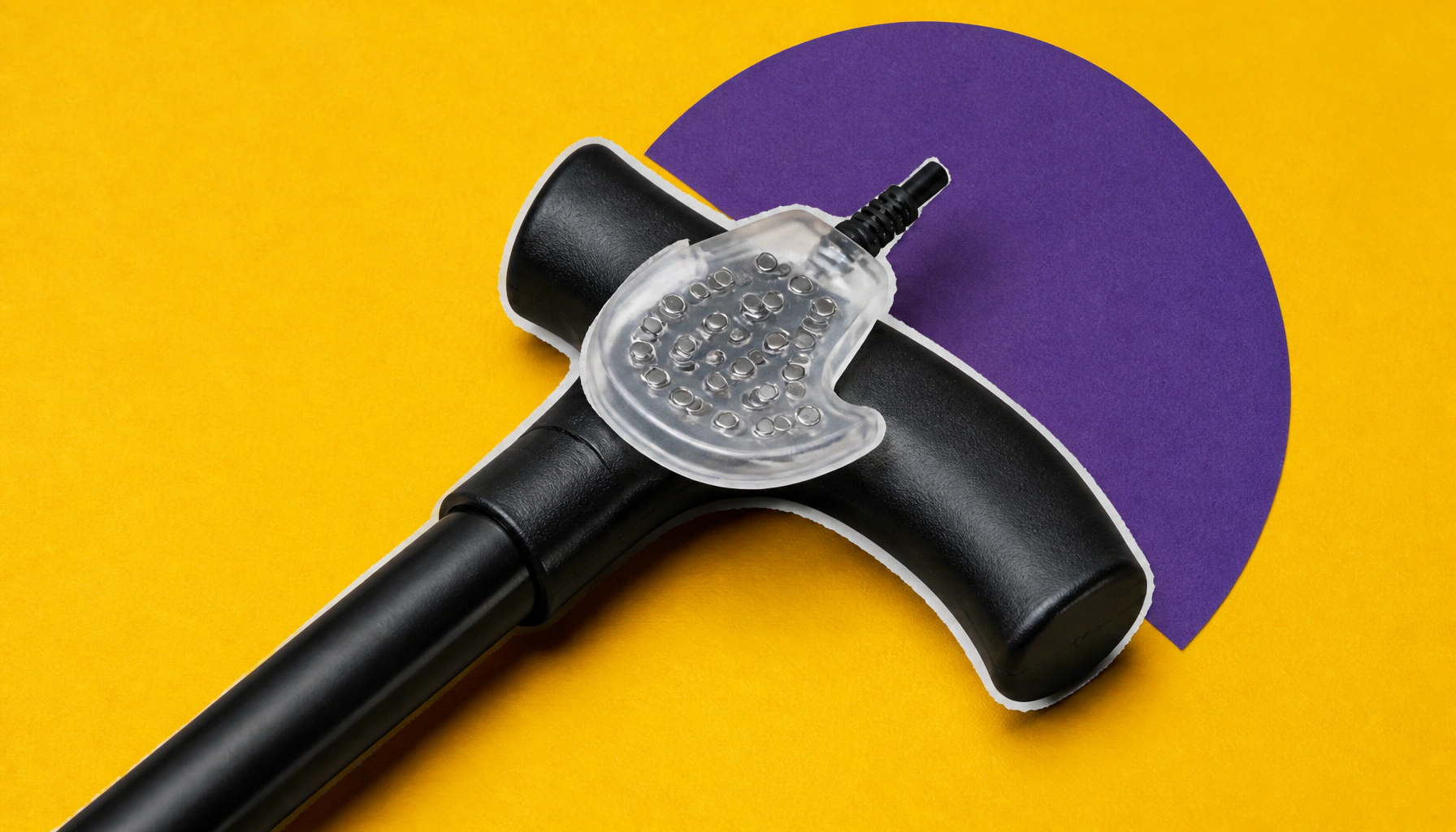
A new meta-analysis found that electromagnetic network-targeted field (ENTF) stimulation, paired with physical and occupational therapy, nearly tripled the rate of disability-free outcomes in post-stroke patients compared to sham treatment. About 34% of ENTF patients achieved freedom from disability versus just 12% in the control group. The therapy also showed a strong safety profile with no serious device-related adverse events.
A pooled meta-analysis of two small randomized trials has found that electromagnetic network-targeted field (ENTF) stimulation — combined with physical and occupational therapy — significantly outperformed sham treatment in helping ischemic stroke patients regain function. The study included 124 adults with moderate-to-severe disability who began therapy an average of 14.5 days after their stroke, over a 9–10 week period.
The results were striking: patients receiving ENTF stimulation were nearly three times more likely to achieve freedom from disability than those in the sham group. Disability levels also improved more substantially in the ENTF group, and the therapy demonstrated a clean safety record with no serious device-related adverse events.
By the Numbers:
Why it matters: Stroke remains a leading cause of long-term disability, and effective recovery tools are limited. ENTF stimulation could represent a meaningful addition to post-stroke rehabilitation — though larger, more diverse trials are needed before it becomes standard of care.