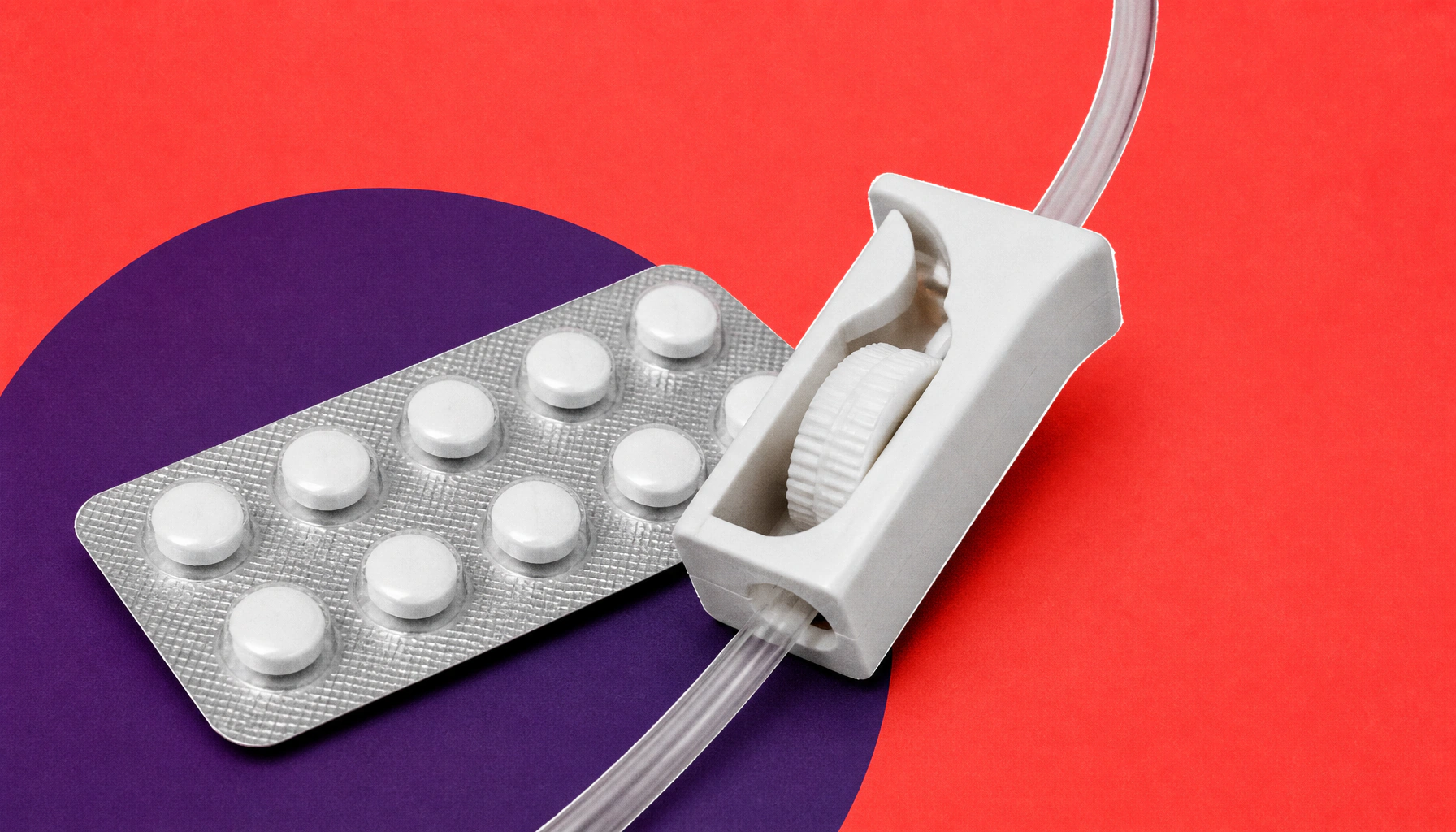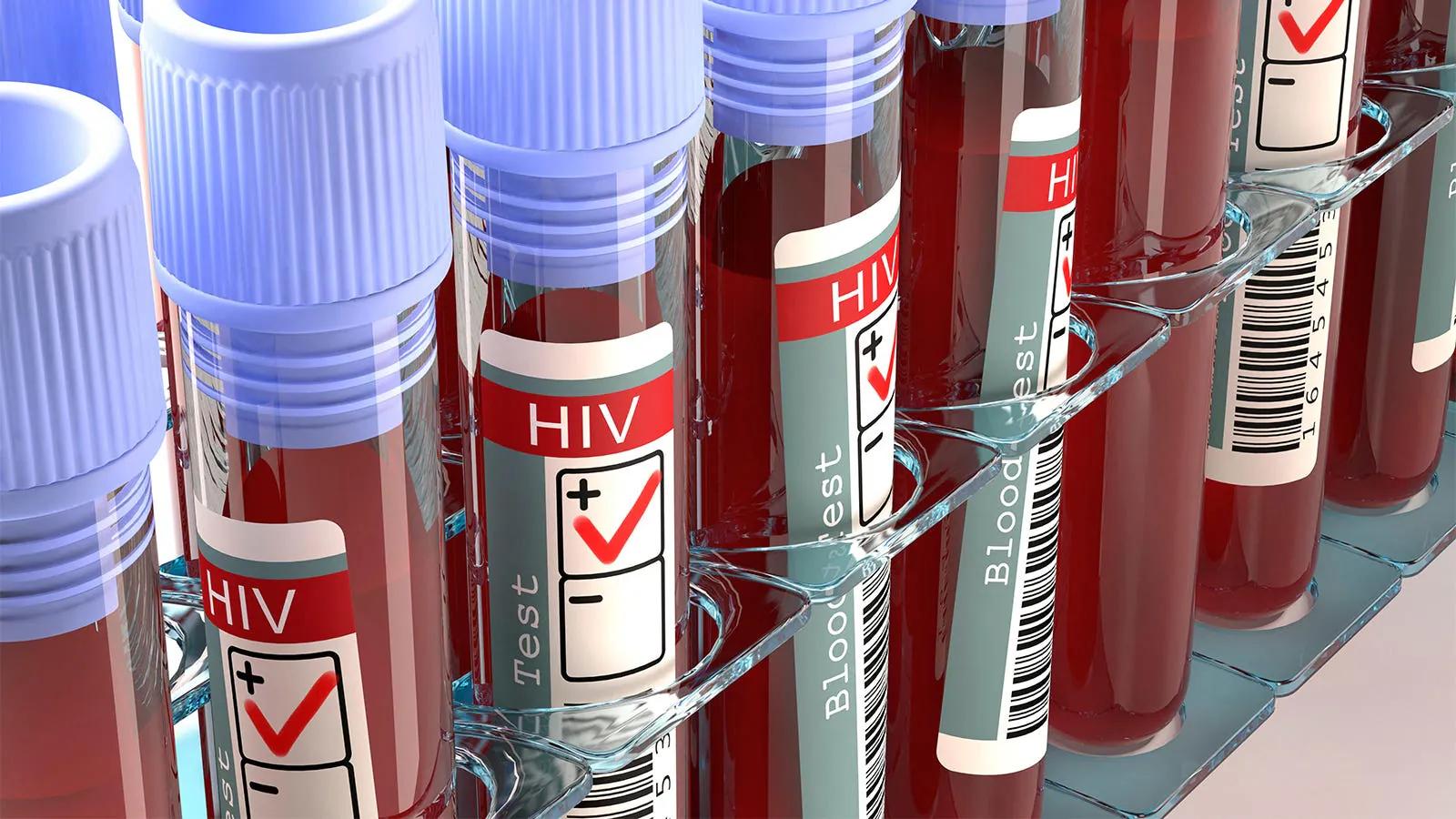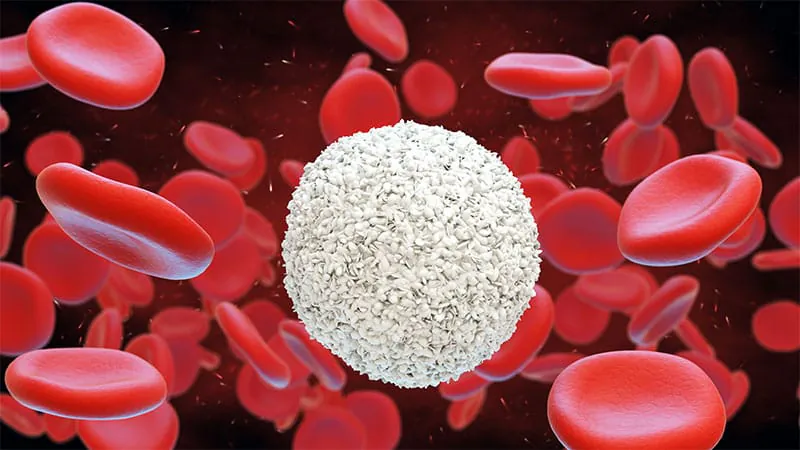
A new study finds that HIV-positive adults starting a two-drug regimen (dolutegravir/lamivudine) recover immune function just as well as those on a three-drug regimen over three years. Researchers tracked CD4 to CD8 ratio recovery — a key marker of immune health — and found no significant differences between the two approaches. Simpler may be just as effective.
When it comes to rebuilding the immune system in people newly diagnosed with HIV, adding a third drug doesn't appear to offer any extra benefit. A Spanish cohort study comparing a two-drug regimen (dolutegravir/lamivudine, or DTG/3TC) against integrase inhibitor-based three-drug regimens found no meaningful difference in immune recovery — measured by CD4 to CD8 ratio — over three years of follow-up.
Notably, patients on the three-drug regimen had higher rates of viral blips and virologic failure, and started with lower baseline immune markers, suggesting they may have been a sicker group at baseline. Despite this, immune recovery trajectories were comparable across both groups.
By the Numbers:
Why it matters: As clinicians weigh treatment simplicity against efficacy, this study suggests that a two-drug regimen can achieve comparable immune recovery — potentially reducing pill burden, side effects, and costs for patients living with HIV.