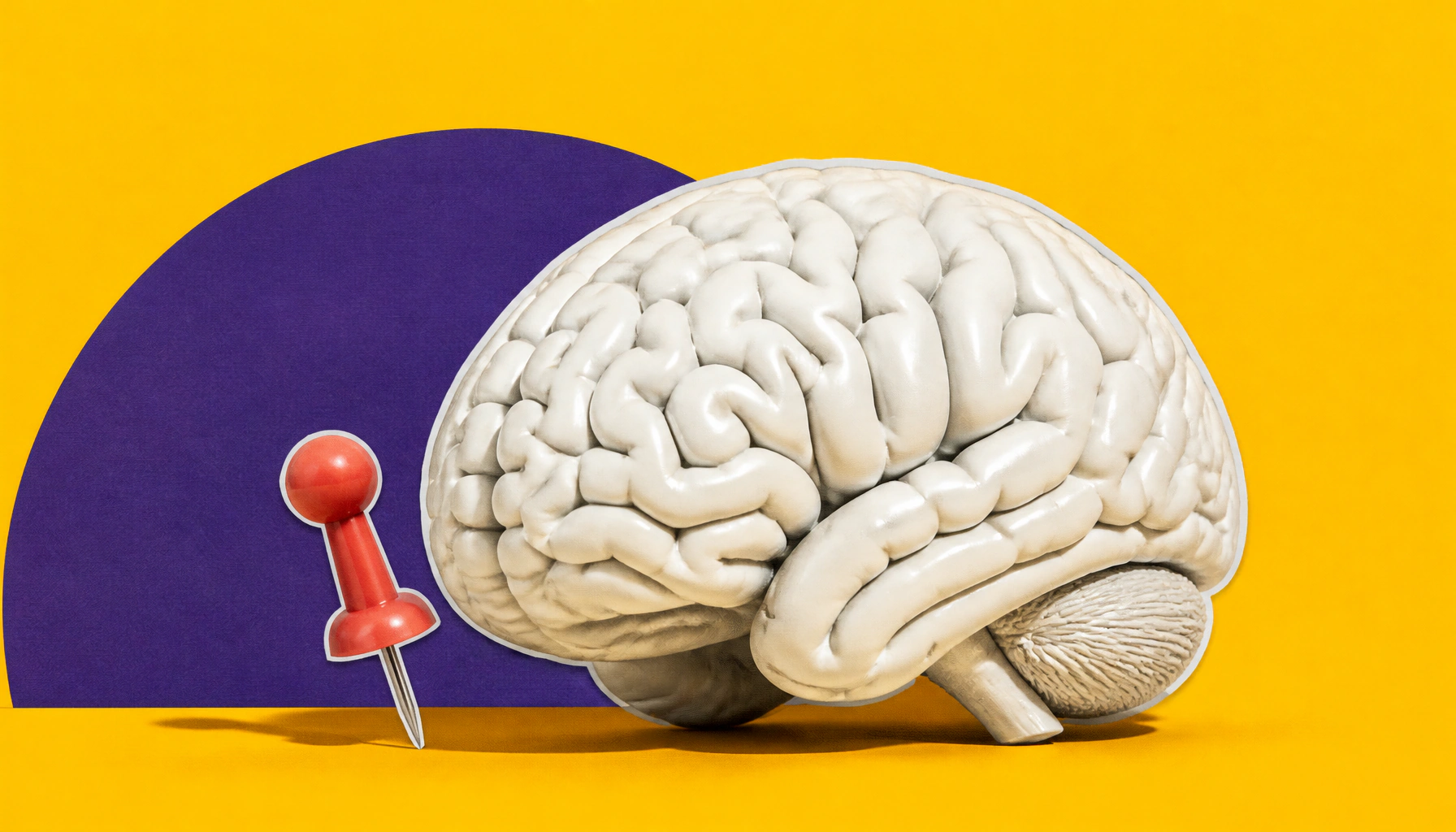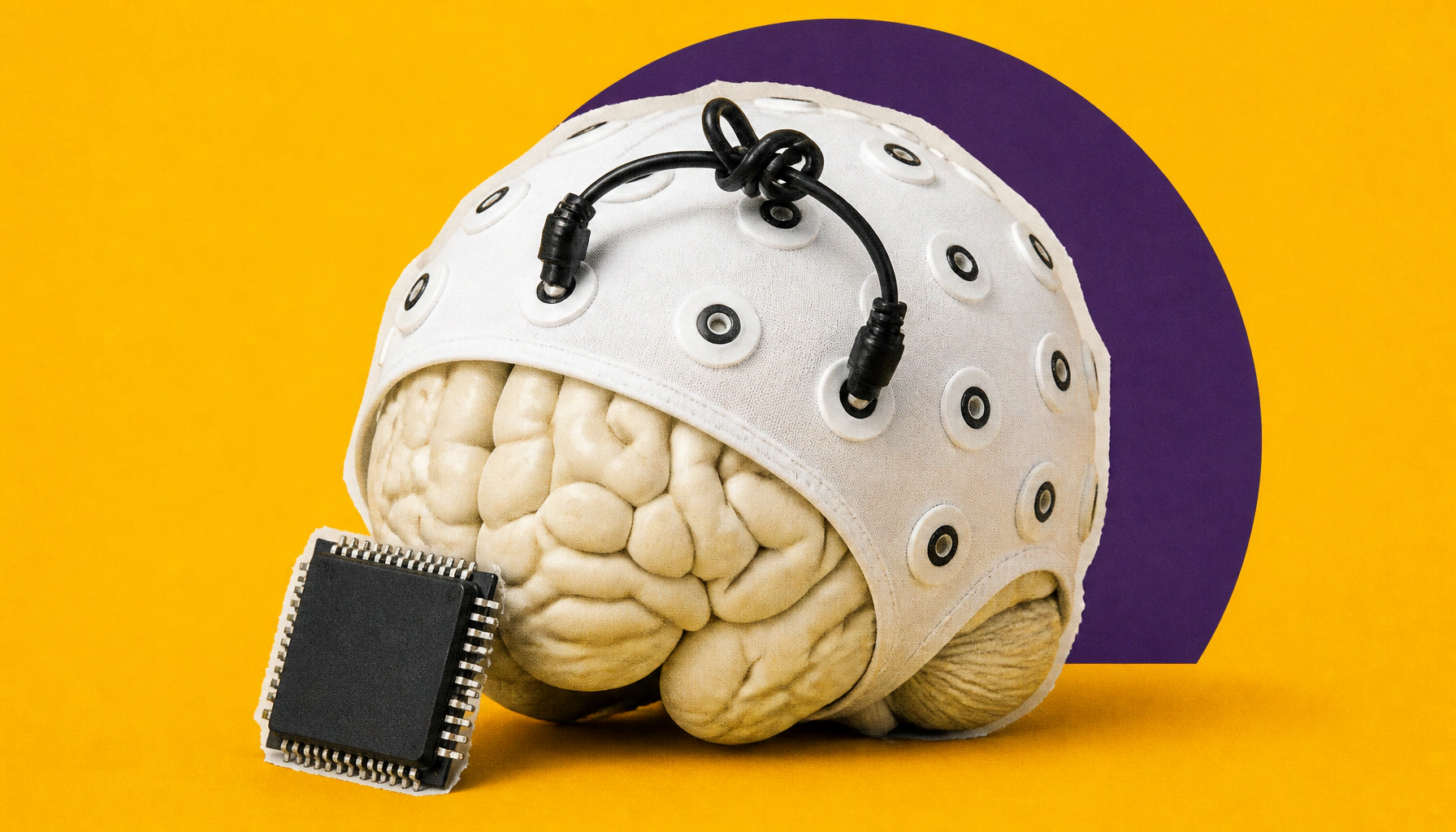
Your brain isn't the one-way street scientists thought it was. A new study from the University of Illinois found that decision-making begins in early sensory brain regions — not just the frontal cortex — thanks to rapid feedback loops between brain areas. The discovery challenges decades of neuroscience dogma and could inspire a new generation of more efficient, brain-like AI systems.
Your brain starts deciding things way earlier than we thought
For decades, the prevailing model of brain function held that sensory information travels in a neat, one-way sequence — from basic sensory regions up to the frontal cortex, where decisions are finally made. A new study from the University of Illinois Urbana-Champaign, published in PNAS, is turning that idea on its head.
Researchers led by professor Yurii Vlasov recorded neural activity in mice navigating a virtual reality corridor and found clear signs of decision-related activity in the primary somatosensory cortex (S1) — one of the brain's earliest sensory processing areas. Rather than just passing signals forward, S1 appeared to receive top-down feedback from higher brain regions, suggesting decision-making is a dynamic, two-way process happening across multiple brain areas simultaneously.
Key Takeaways
Why it matters: This research challenges foundational assumptions in neuroscience and AI design. Biological brains accomplish remarkably complex tasks using far less energy than today's AI — understanding how could unlock the next generation of smarter, greener artificial intelligence.