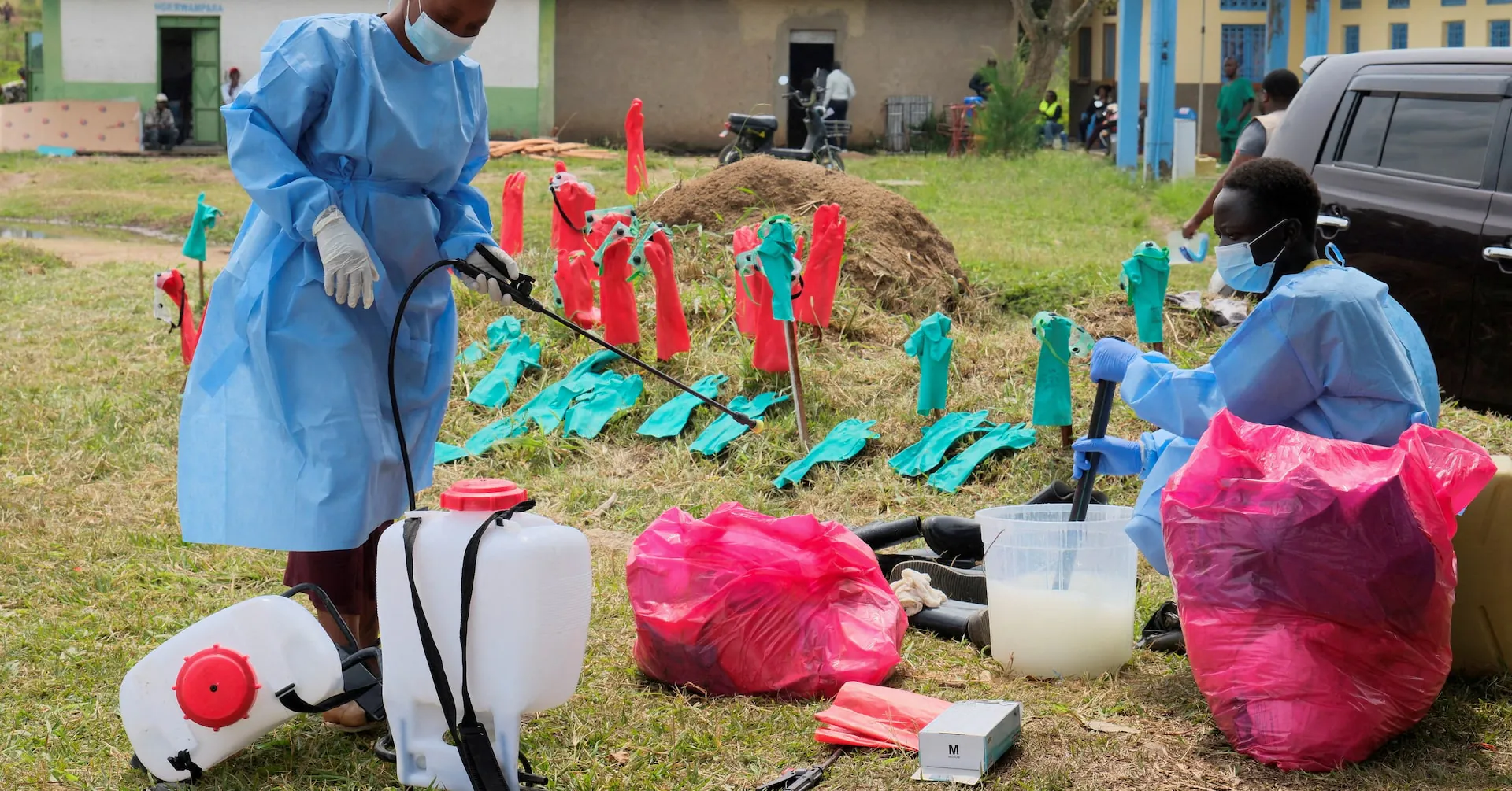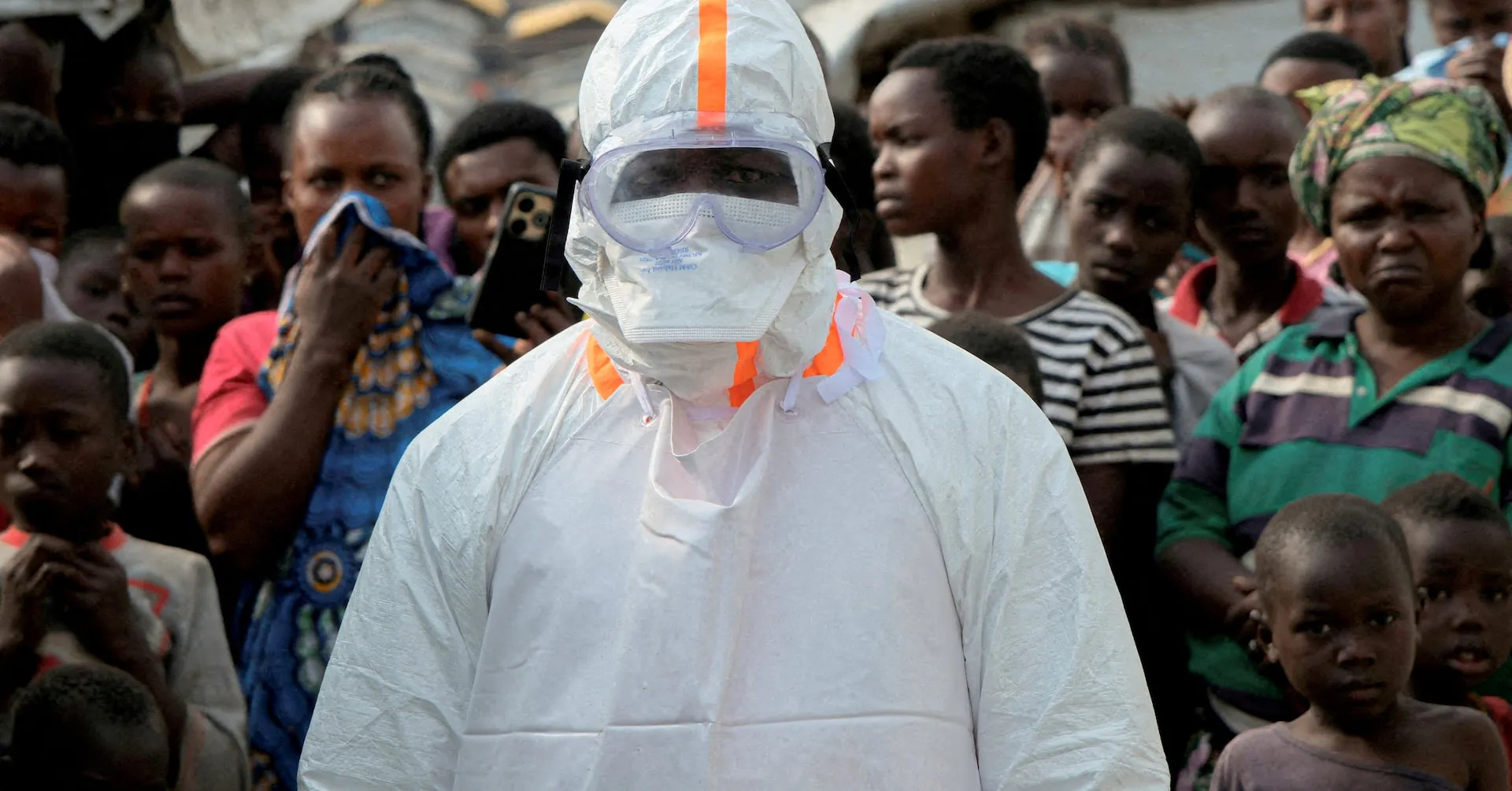
Congo's 17th Ebola outbreak is growing fast. The virus has now reached two additional northeastern provinces — Haut-Uele and Tshopo — bringing the total affected areas to five. With 1,926 confirmed cases and 702 deaths, the WHO warns the true scale could be two to four times larger than official figures suggest.
Congo's latest Ebola outbreak, its 17th, is showing no signs of slowing down. Declared on May 15, the outbreak has now spread beyond its original epicenter in Ituri province to five provinces total, with new cases confirmed in Haut-Uele and Tshopo — two northeastern regions not previously included in official government reports. Authorities believe all cases in the newly affected provinces were imported from Niania in Ituri, but have officially designated both areas as epidemic zones.
The spread to Tshopo is particularly concerning given that its capital, Kisangani, is one of Congo's largest cities. Haut-Uele's borders with South Sudan and the Central African Republic also raise fears of cross-border transmission. Earlier reporting traced the Tshopo cases to the body of a pregnant woman transported approximately 300 km by motorcycle after her death — highlighting how quickly the virus can travel across health zones.
By the Numbers:
Why it matters: The rapid geographic expansion, high proportion of cases with no known transmission link, and proximity to international borders signal a serious containment challenge. Health systems and global partners may need to significantly scale up response efforts to prevent further spread.