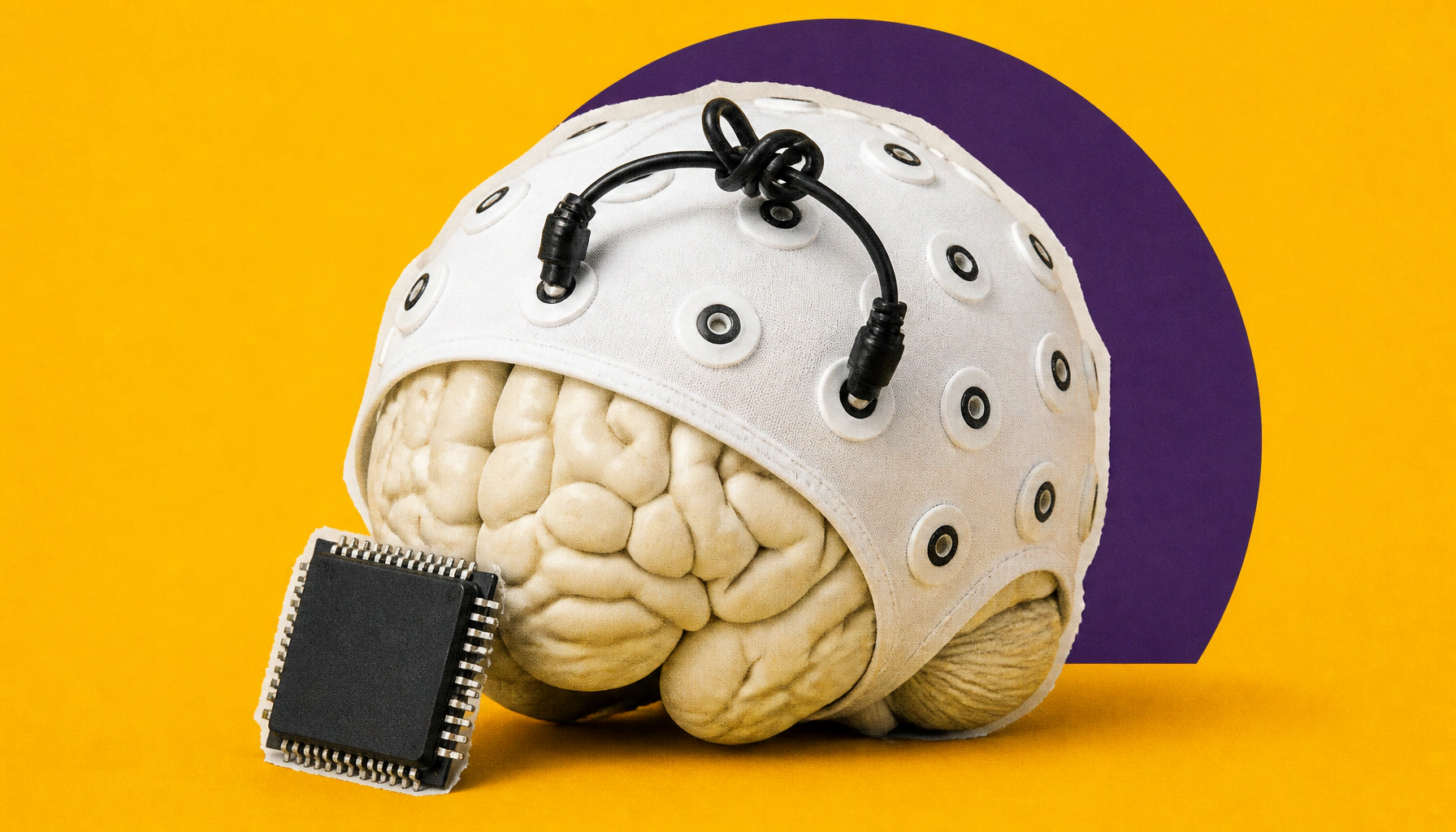
Turns out, true multitasking isn't a myth. Georgetown University researchers found that extensive practice physically rewires the brain, shifting learned tasks away from the prefrontal cortex into specialized circuits — freeing up the brain's "command center" to handle something else simultaneously. The findings challenge decades of conventional wisdom and could reshape our understanding of habit formation and learning.
Think you can't truly multitask? Science says otherwise — with enough practice. Researchers at Georgetown University found that extensive training physically reorganizes the brain, moving well-learned tasks out of the prefrontal cortex (the brain's executive hub) and into specialized circuits in the temporal cortex. Once a skill is "offloaded," the prefrontal cortex stays free to handle a second task simultaneously — meaning true multitasking is biologically possible.
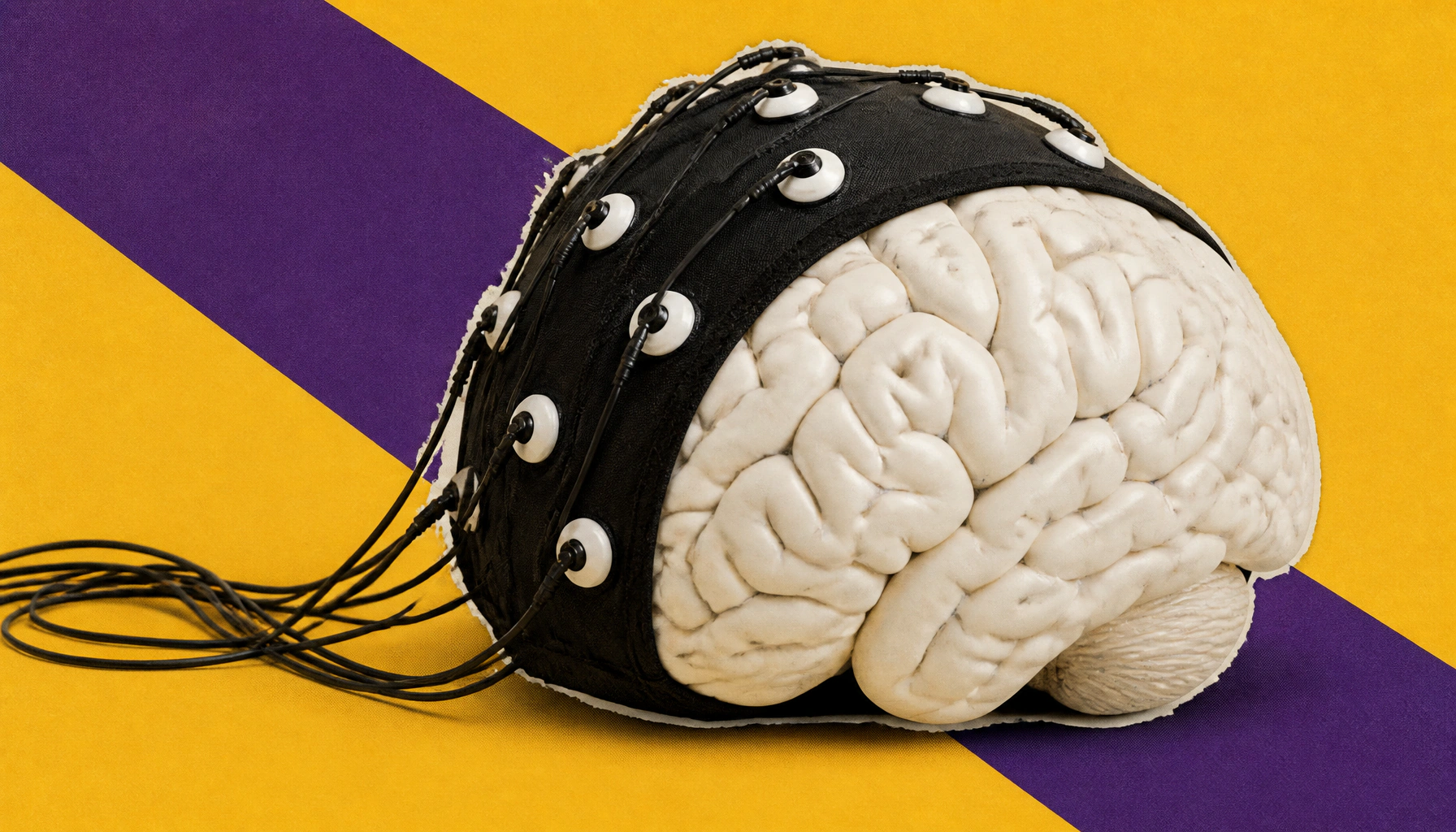
The study tracked participants who completed over 30,000 image-sorting trials across 5–10 weeks. Brain scans (fMRI and EEG) taken before and after training revealed a clear shift: tasks that initially activated the prefrontal cortex were later processed almost entirely by the temporal cortex, a region tied to memory and object recognition.
Key Takeaways:
Why it matters: This research reframes how we think about expertise, habit formation, and cognitive capacity — with real implications for fields ranging from radiology training to behavioral therapy.