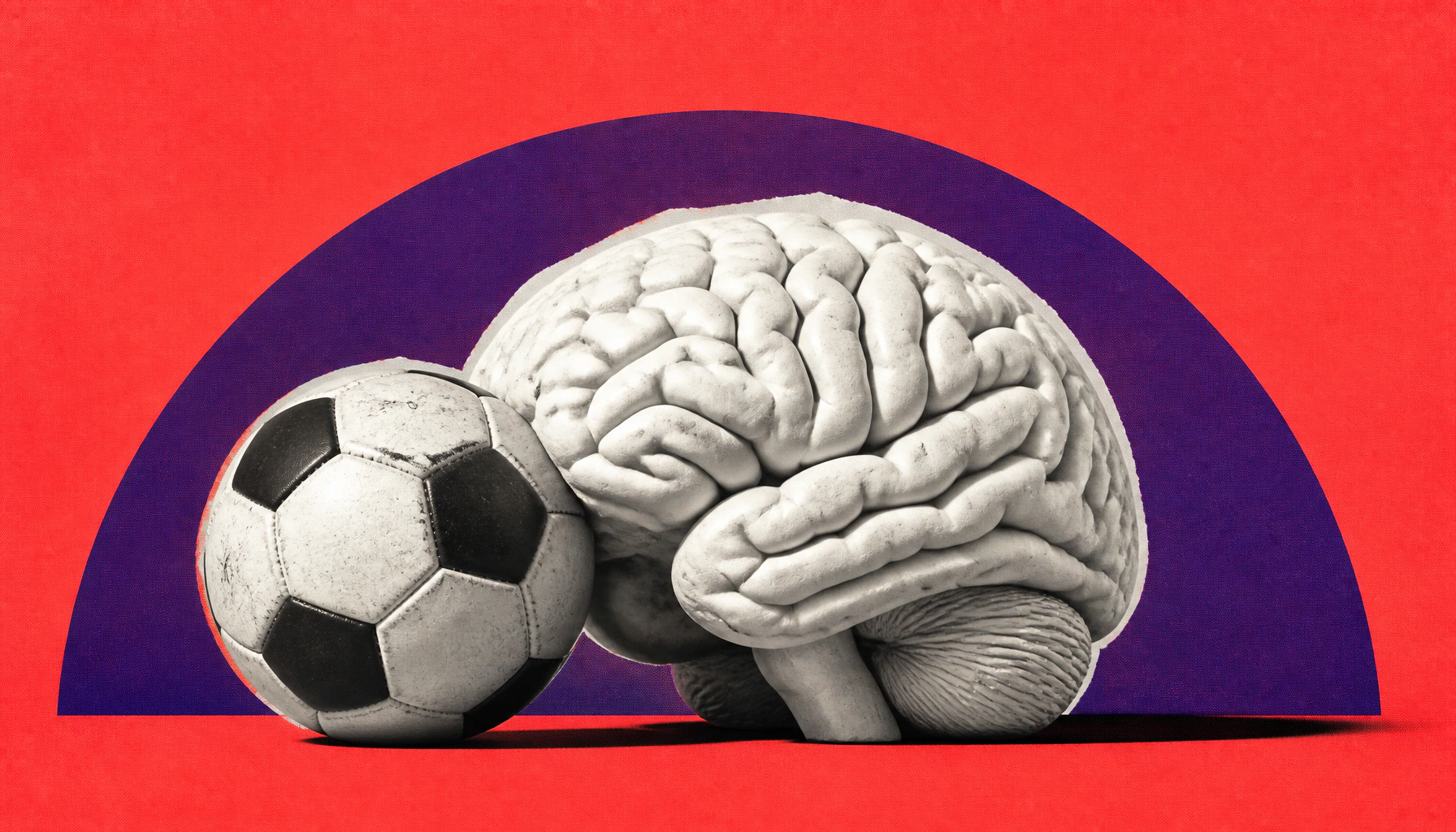
Former elite soccer players are showing signs of mental health struggles and brain changes in midlife, long before typical neurodegenerative disease would appear. A new study found significantly higher rates of depression and anxiety among players compared to non-contact sport peers, plus reduced gray matter in key brain regions. Researchers say the findings underscore the need for long-term monitoring of athletes with a history of repetitive head impacts.
Former elite soccer players may be paying a hidden neurological price for years on the pitch. A study presented at the Alzheimer's Association International Conference 2026 found that former players had significantly higher rates of depression, anxiety, and self-reported difficulties with planning and decision-making compared to a control group with no history of repetitive head impacts — and these differences were showing up in midlife, well before neurodegenerative disease would typically emerge.
Brain MRIs added another layer of concern: 87% of former players showed lower gray matter volume in frontal, cingulate, and thalamic regions — areas tied to attention, memory, decision-making, and emotional regulation. Notably, objective cognitive test scores didn't differ significantly between groups, but researchers say the combination of elevated symptoms and structural brain changes may point to trauma-related neurodegeneration.
By the Numbers:
Why it matters: This is the first and largest study of its kind in former soccer players, and it signals that repetitive head impacts — even from a globally beloved sport — may have measurable, lasting effects on brain health. Clinicians are urged to factor in head impact history when evaluating midlife patients with mood or cognitive concerns.