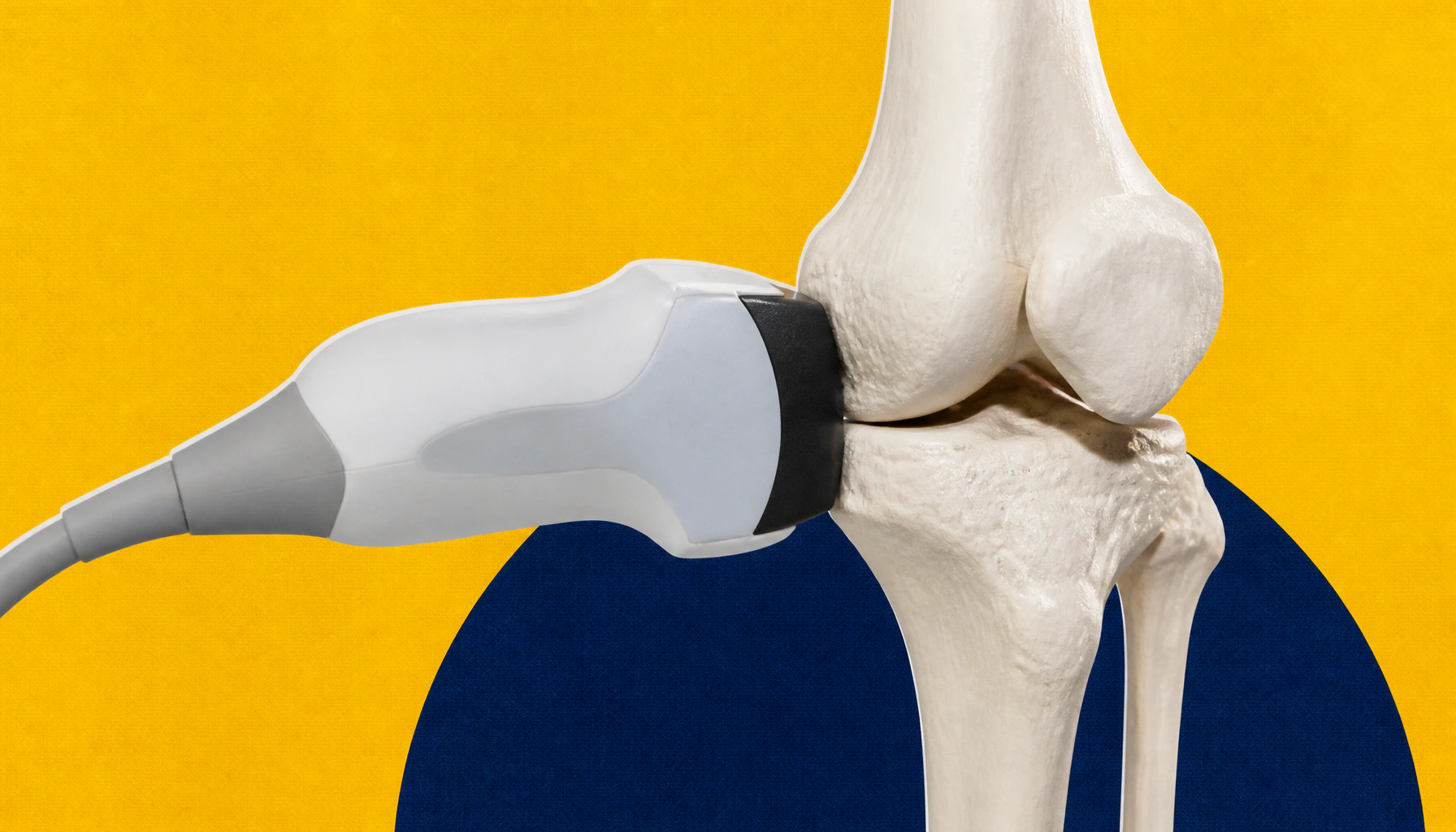
A non-invasive ultrasound treatment may help prevent post-traumatic osteoarthritis by nudging immune cells from an inflammatory state into a healing one. Researchers at the University of Alabama in Huntsville found that continuous low-intensity ultrasound shifted macrophages toward a reparative profile, reducing inflammation markers in lab models. The drug-free approach could one day change how joint injuries are treated.
A new study published in Scientific Reports suggests that continuous low-intensity ultrasound could help injured joints heal by reprogramming the immune response — no drugs required. Researchers at the University of Alabama in Huntsville focused on macrophages, the immune cells that act as both "defenders" (M1, pro-inflammatory) and "healers" (M2, pro-repair) after injury. When M1 macrophages dominate for too long, chronic inflammation sets in — a key driver of post-traumatic osteoarthritis.
The team used fibronectin fragments (molecules released from damaged tissue) to create a more realistic model of joint injury, then applied ultrasound stimulation and analyzed gene activity using transcriptomics and advanced computational clustering. The result: ultrasound lowered inflammation markers and nudged macrophages toward a more reparative, M2-like state.
Key Takeaways:
Why it matters: Millions of people develop osteoarthritis following joint injuries, and there are currently no treatments that address the underlying immune dysfunction driving the disease. This research opens the door to a new class of physical therapies that could intervene early — before arthritis takes hold.