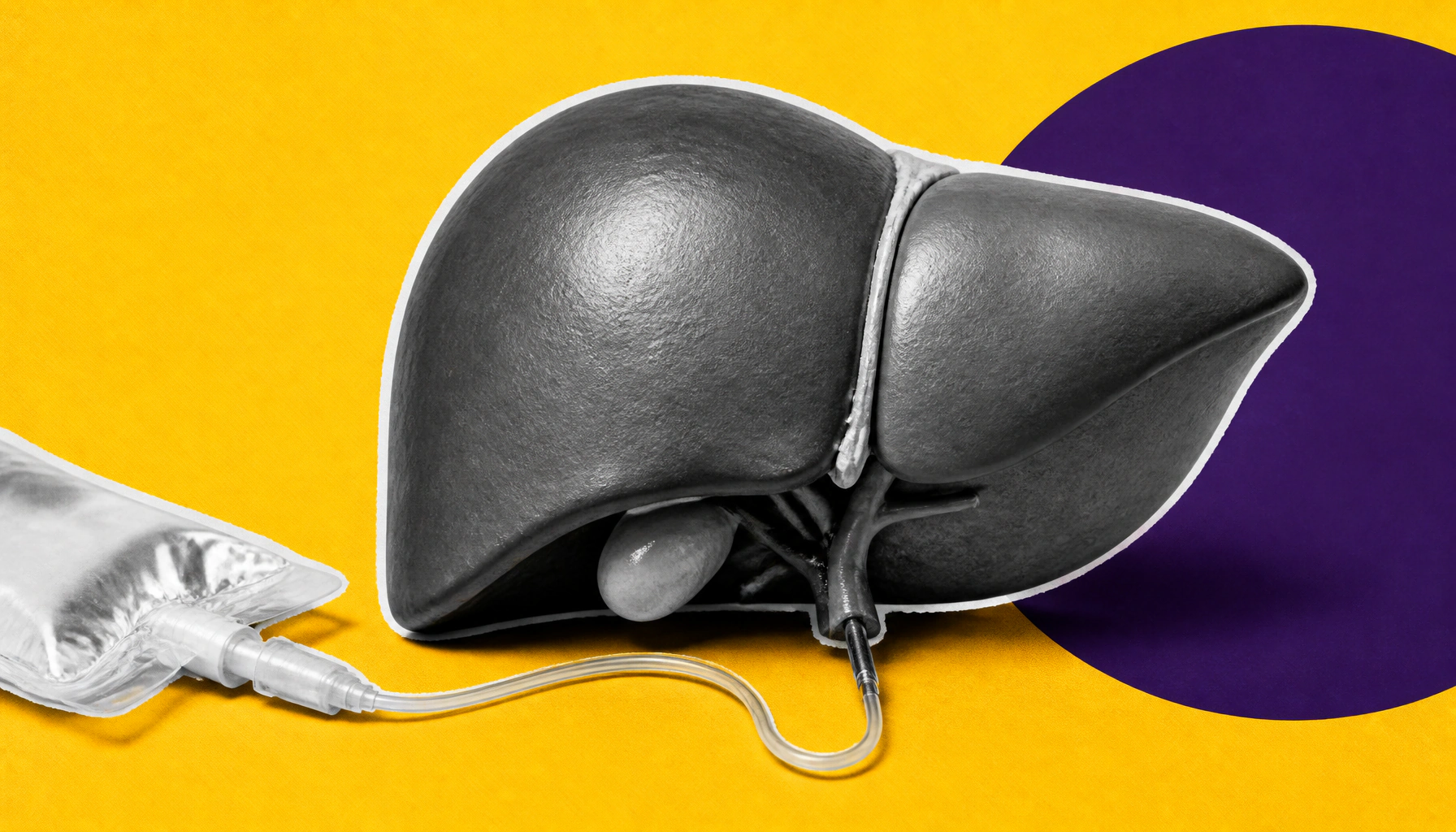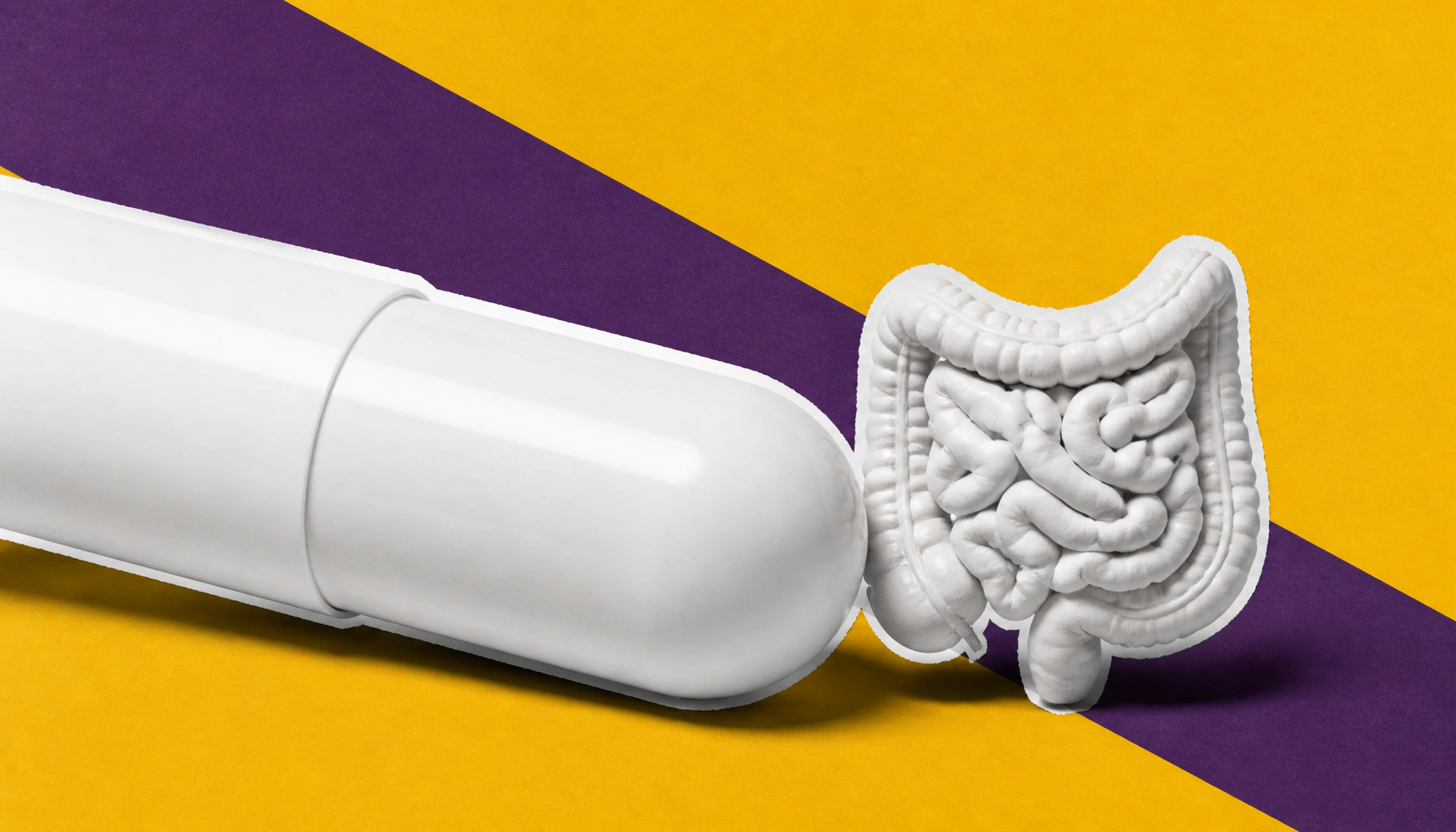
A new experimental drug, DT-109, reversed severe fatty liver disease (MASH) in animal studies by fixing the gut rather than targeting the liver directly. The compound works by reducing harmful gut bacteria, strengthening the intestinal barrier, and blocking inflammatory signals from reaching the liver. Researchers say it could open a new treatment frontier for a condition with very limited options.
An experimental drug developed at Michigan Medicine is turning heads in the liver disease world — not because it targets the liver, but because it heals the gut. In animal studies published in The Journal of Clinical Investigation, the compound DT-109 reversed metabolic dysfunction-associated steatohepatitis (MASH), a serious form of fatty liver disease that can progress to cirrhosis, liver cancer, and liver failure.
The key culprit? An overgrowth of Clostridium perfringens bacteria in the gut, which produces excess ammonia, weakens the intestinal lining, and allows harmful microbial products to flood the bloodstream and inflame the liver. DT-109 — a glycine-based tripeptide — disrupts this chain reaction, restoring gut barrier integrity and reducing liver inflammation. Results were especially promising in nonhuman primates, whose gut biology closely mirrors humans.
Key Takeaways:
Why it matters: MASH affects roughly 7% of people worldwide, yet effective treatments remain scarce. A gut-focused therapy like DT-109 could represent a new class of treatment — and clinical trials are the next step.