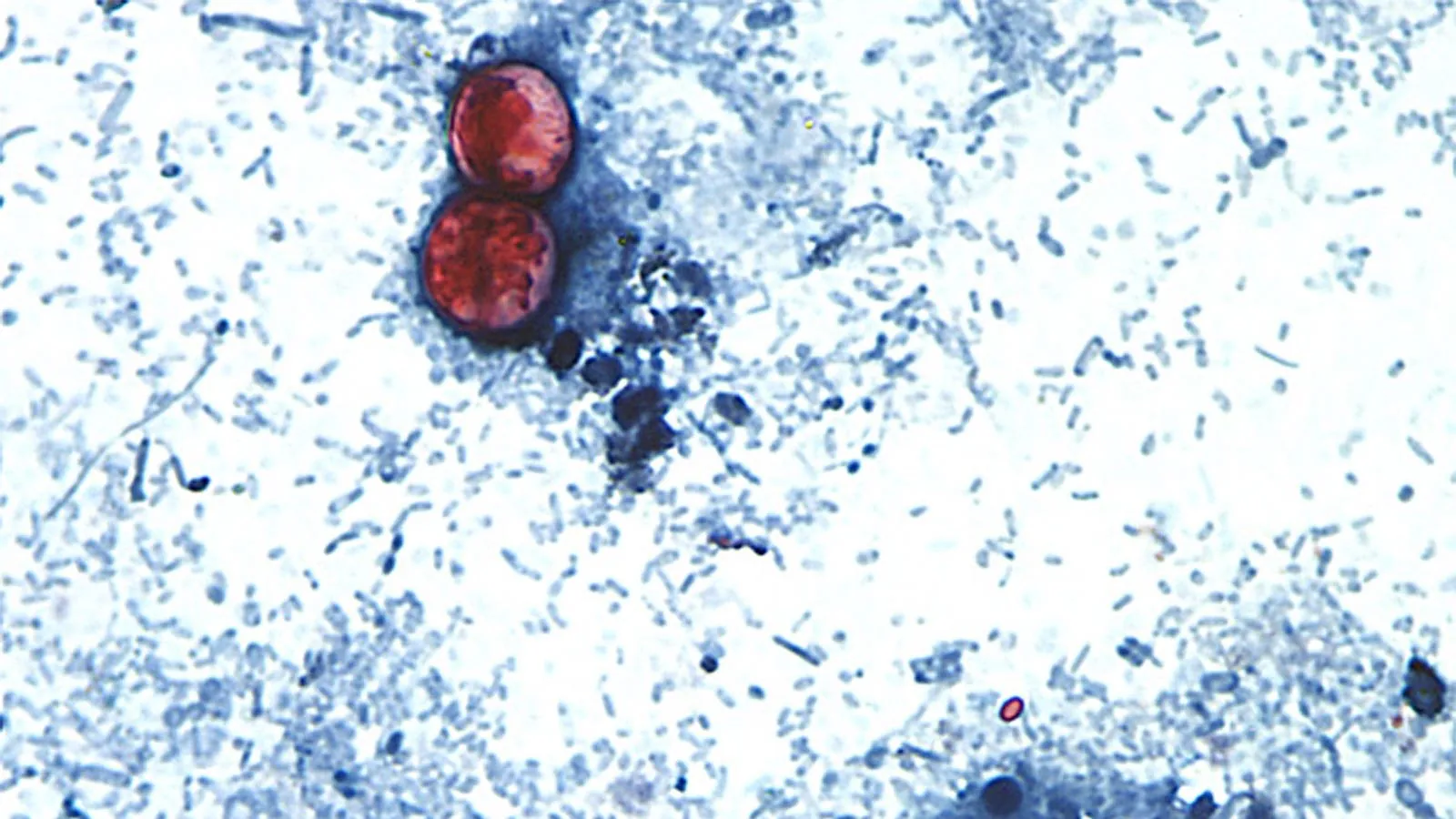
A parasitic stomach bug is surging across the U.S., with Michigan at the epicenter and no food source identified yet. The CDC has confirmed at least 843 domestic cases, but the true count is likely far higher. Unlike typical stomach bugs, this one won't resolve on its own — it requires a prescription antibiotic to treat.
A mysterious outbreak of cyclosporiasis — a parasitic illness caused by the Cyclospora cayetanensis parasite — has spread rapidly across at least 31 states, sickening thousands of Americans with no identifiable food source yet found. The CDC has confirmed at least 843 domestic cases and flagged over 1,500 more awaiting confirmation, a dramatic jump from just 145 cases reported in mid-June. Michigan has emerged as the epicenter, reporting more than 1,500 cases — up from roughly 680 just days earlier — though investigators haven't pinpointed a local cause.
The outbreak is complicated by gaps in federal surveillance. As of July 1, the CDC stopped mandating tracking for cyclosporiasis, leaving state and local agencies to monitor cases on their own. Experts warn that by the time patients feel sick, the contaminated food is likely already gone — and people often can't recall exactly what produce they ate a week or more prior.
Key Takeaways:
Why it matters: With federal tracking scaled back and states scrambling to keep up, this outbreak highlights a critical gap in the U.S. foodborne illness surveillance system — just as a fast-moving parasitic disease is spreading across the country.