Dietary fiber may be the key to unlocking the anti-inflammatory power of intestinal worms. A new study published in Nature Communications found that without enough fiber, beneficial tapeworms enter a hibernation-like state and lose their ability to reduce inflammation. Fiber-rich diets also promoted healthier gut microbiomes, while Western-style diets did the opposite.
Intestinal worms have long been studied as a potential treatment for autoimmune and inflammatory conditions — a concept called helminth therapy. But results have been frustratingly inconsistent. Now, researchers from the Biology Centre of the Czech Academy of Sciences may have found out why: it all comes down to dietary fiber.
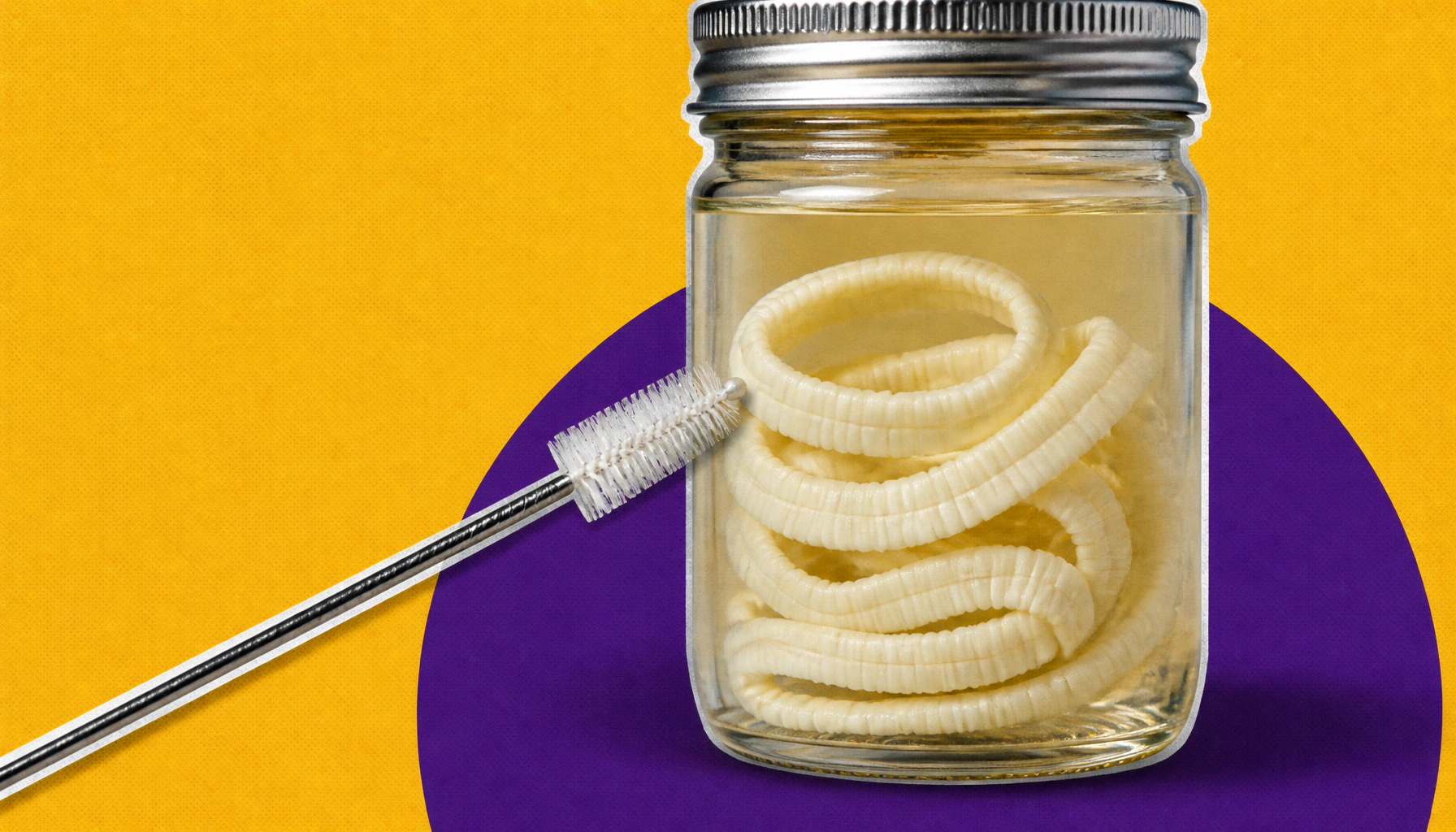
Using the rat tapeworm Hymenolepis diminuta, the team showed that fiber-rich diets kept the worms healthy, sexually mature, and capable of triggering a meaningful anti-inflammatory response in the host. On low-fiber diets, the worms shrank dramatically, never reached maturity, stopped producing eggs, and essentially went dormant — losing all their therapeutic benefit.
Key Takeaways:
Why it matters: These findings could explain the inconsistent outcomes seen in helminth therapy trials and suggest that dietary context — specifically fiber intake — may need to be standardized before such treatments can be reliably effective. It also reinforces just how central fiber is to overall gut and immune health.