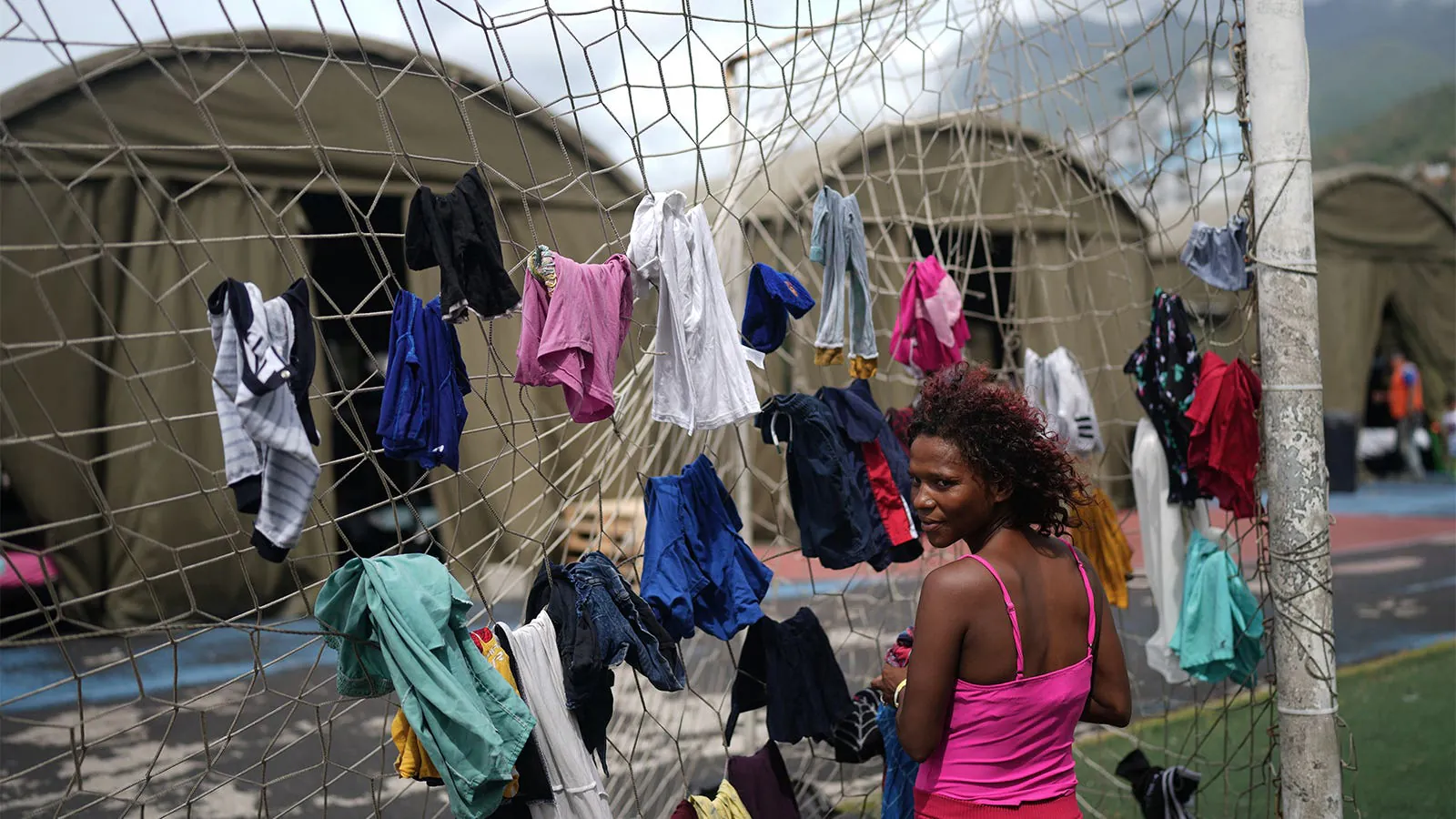
Two weeks after devastating twin earthquakes killed nearly 4,000 people in Venezuela, a secondary health crisis is taking hold. Overcrowded shelters and poor sanitation are fueling surges in diarrheal disease and skin conditions, while displaced residents struggle to access medications for chronic illnesses like diabetes and hypertension. The UN has launched a $300 million appeal to assist 1.3 million people in urgent need.
Two weeks after twin earthquakes struck Venezuela's northern coast on June 24, killing nearly 4,000 people and leaving roughly 18,000 homeless, a secondary health crisis is rapidly escalating. Doctors in the hardest-hit state of La Guaira are reporting surges in diarrheal diseases and skin conditions — driven by overcrowded shelters and poor water and sanitation — alongside a growing wave of patients seeking medications for chronic conditions like diabetes and high blood pressure that they can no longer access.
The Pan American Health Organization (PAHO) warns that the greatest health risks in the coming weeks may stem not from earthquake injuries, but from disrupted healthcare services, overcrowding, and gaps in vaccination coverage — which was already low in Venezuela before the disaster. PAHO is working with the government to integrate field hospitals and shelters into an early warning system tracking diarrheal illness, respiratory infections, and vaccine-preventable diseases. Compounding the crisis: 50% of health professionals in La Guaira were directly affected by the quakes.
By the Numbers:
Why it matters: Venezuela's health system was already severely weakened by years of economic crisis and healthcare worker emigration before the earthquakes struck. This disaster has exposed and deepened those vulnerabilities, creating a compounding humanitarian emergency where chronic disease management, infectious disease outbreaks, and mental health needs are all converging — with international aid organizations now racing to fill the gap.