When patients receive multifocal intraocular lenses (IOLs), their brains must literally rewire to adapt — and that process takes time. Research shows most patients adjust within 6 months, but 4–12% remain dissatisfied despite perfect vision metrics. Experts are now exploring fMRI, personality tests, and AI to better match patients to the right lens before surgery.
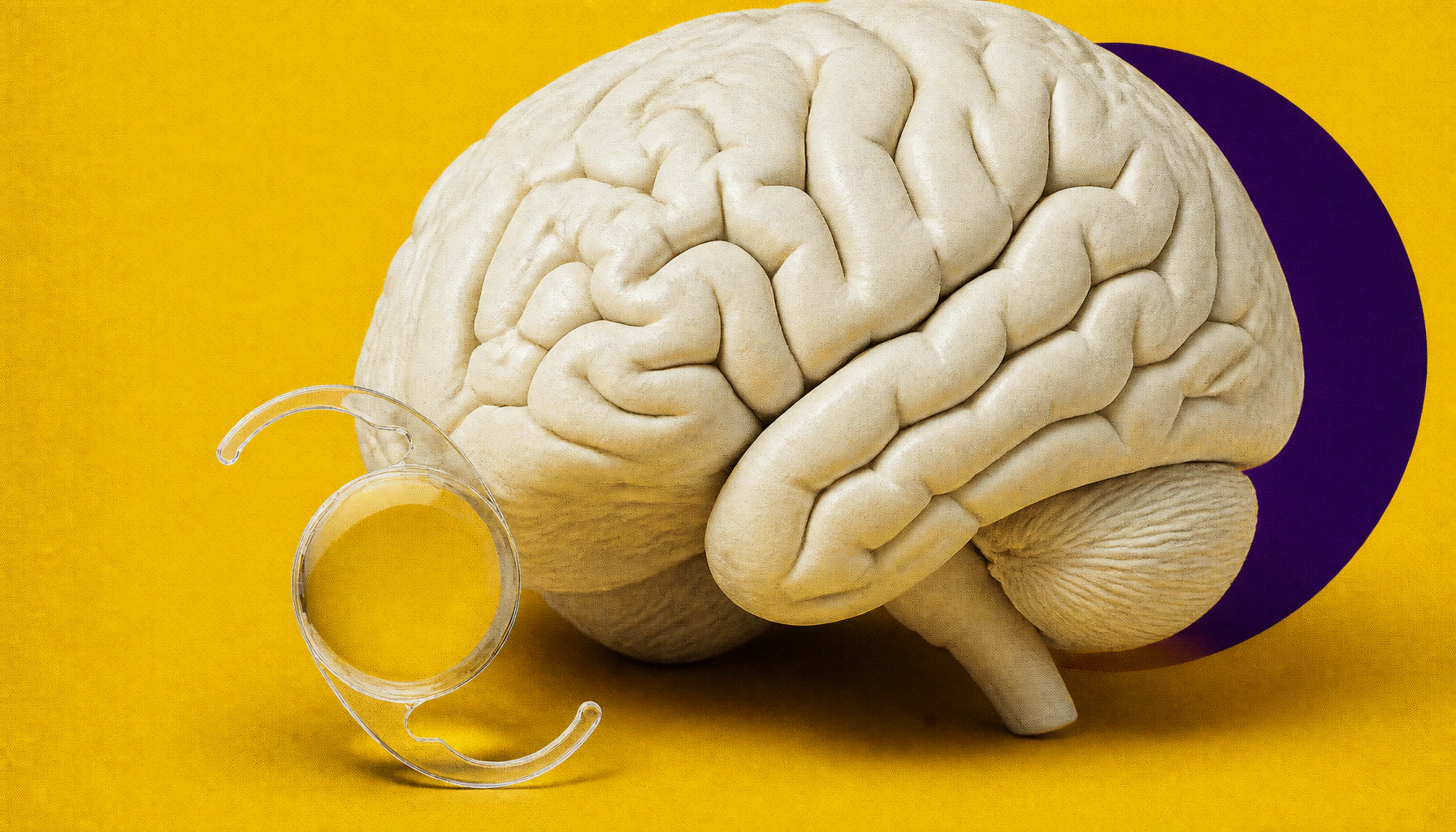
When surgeons implant a presbyopia-correcting intraocular lens (IOL), they're not just changing the eye — they're asking the brain to relearn how to see. At the European Society of Cataract and Refractive Surgeons winter meeting, ophthalmologist Pei-Fen Lin explained that neuroadaptation — the brain's ability to reorganize itself — is a critical and often underappreciated factor in IOL selection and patient satisfaction.
The challenge is real: about 50% of patients initially experience reduced contrast sensitivity or visual disturbances (dysphotopsia) after receiving advanced-technology IOLs. Most adapt, but a meaningful minority don't — and some even request lens removal. Functional MRI studies have shown that the brain ramps up activity in areas tied to learning and attention in the weeks after implantation, then normalizes around the 6-month mark — giving clinicians a clear benchmark for when to intervene.
Key Takeaways:
Why it matters: As multifocal IOLs become more sophisticated, matching the right lens to the right patient — based on brain adaptability, not just eye measurements — could significantly reduce dissatisfaction and unnecessary re-operations.