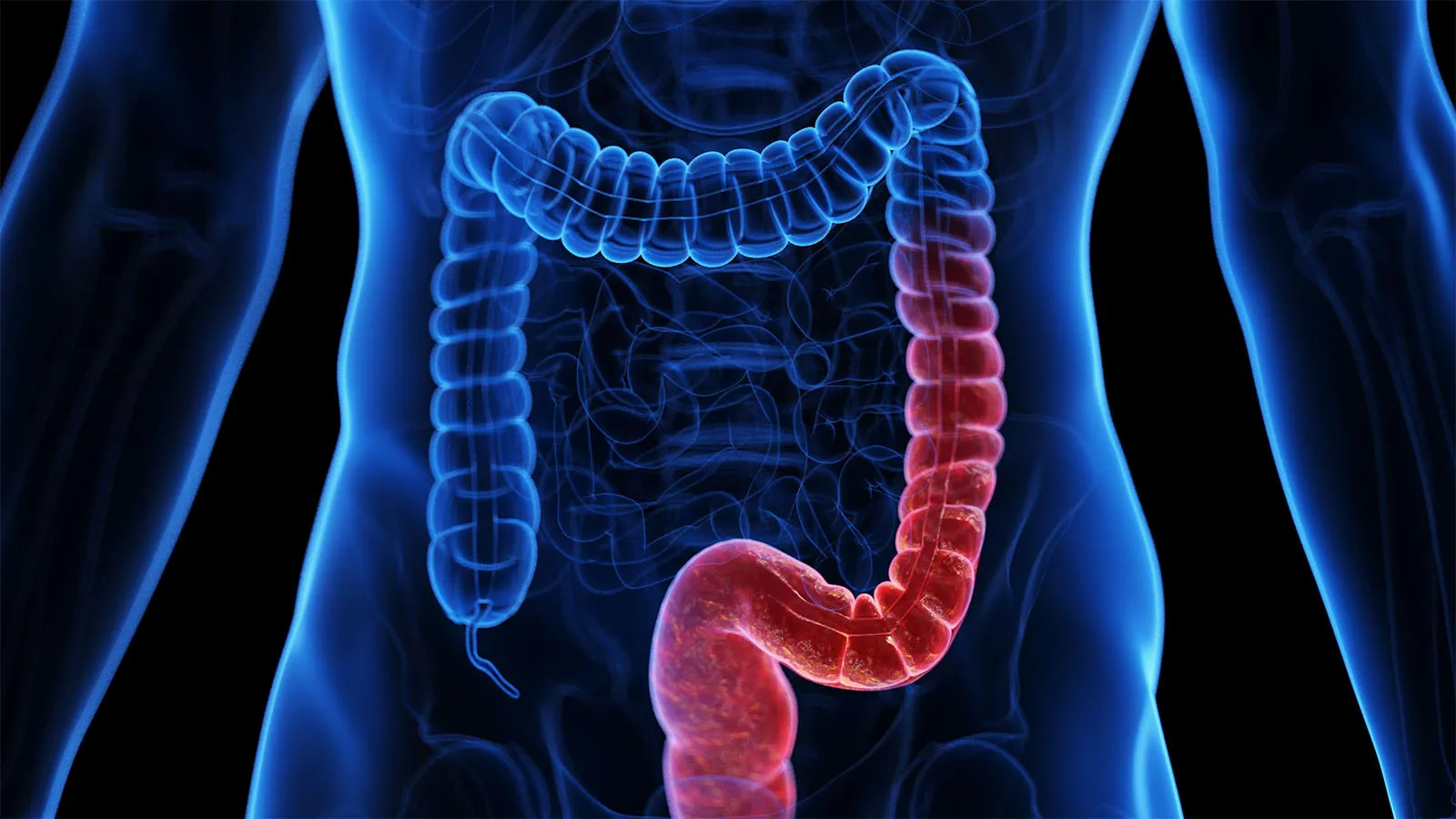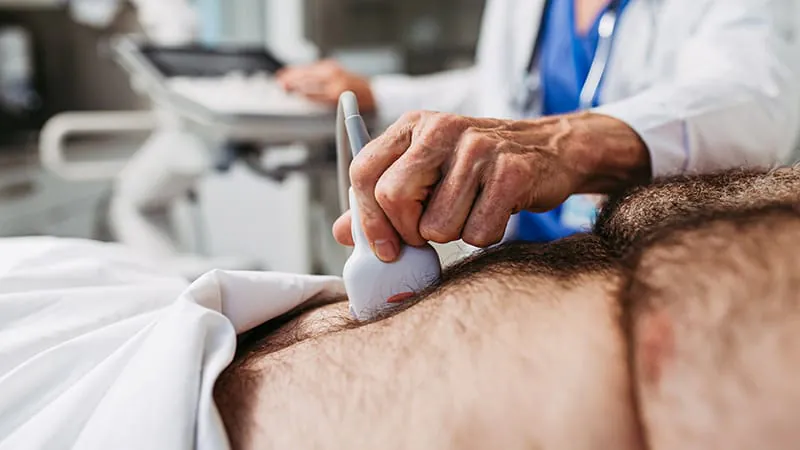
Could ultrasound replace the scope? A new study found that integrating intestinal ultrasound (IUS) into IBD care slashed endoscopy use by more than 50% over five years — even as clinic visits increased. Over 3,300 IUS scans were performed during the study period, suggesting this noninvasive tool could become the go-to strategy for monitoring IBD activity.
Could ultrasound replace the scope for IBD monitoring?
A retrospective study out of Alfred Health in Melbourne, Australia, found that introducing an intestinal ultrasound (IUS) service into an IBD care model dramatically reduced the need for endoscopy. Comparing two five-year periods — before IUS (2010–2014) and after (2015–2019) — researchers tracked endoscopy use across nearly 5,000 patients with Crohn's disease or ulcerative colitis.
The results were striking: the annual endoscopy rate dropped from 33 to 15 per 100 patients — a 53% reduction — despite a growing patient load. Meanwhile, IUS stepped in to fill the gap, with over 3,300 scans performed for both active disease assessment and confirmation of remission.
By the Numbers:
Why it matters: IUS is noninvasive, more accessible, and better tolerated by patients. If widely adopted, it could ease endoscopy backlogs, reduce costs, and free up procedural capacity for patients who truly need it.