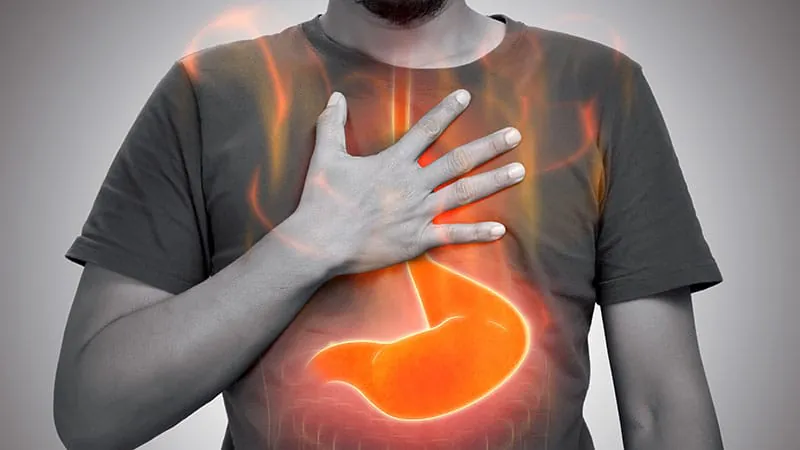
Many patients with obesity have acid reflux without knowing it — and a specialized test may be the key to catching it. A new study found that high-resolution impedance manometry detected GERD in 43.5% of bariatric surgery candidates, even though only 25.9% reported reflux symptoms. This gap highlights how symptom-based screening alone may significantly underestimate GERD risk in this population.
Acid reflux in patients with obesity is more common than they — or their doctors — might realize. A new prospective study published in Obesity Surgery found that high-resolution impedance manometry (HRIM) detected physiologic evidence of GERD in nearly half of patients being evaluated for bariatric surgery, even when most of them had few or no classic reflux symptoms. This raises a red flag: relying on symptoms alone could leave a significant number of patients undiagnosed and at risk for serious complications like Barrett's esophagus.
The study enrolled 62 patients with obesity undergoing preoperative bariatric evaluation. All underwent upper endoscopy and HRIM after fasting. Structural abnormalities were widespread — over 60% had a compromised gastroesophageal flap valve, and nearly half had an abnormal esophagogastric junction. Impedance reflux (IR) was detected in 85.5% of patients, most commonly in the upright position.
Key Takeaways:
Why it matters: For clinicians managing patients with obesity ahead of bariatric surgery, HRIM could serve as a valuable adjunct to uncover hidden GERD — potentially changing surgical planning and long-term follow-up strategies.