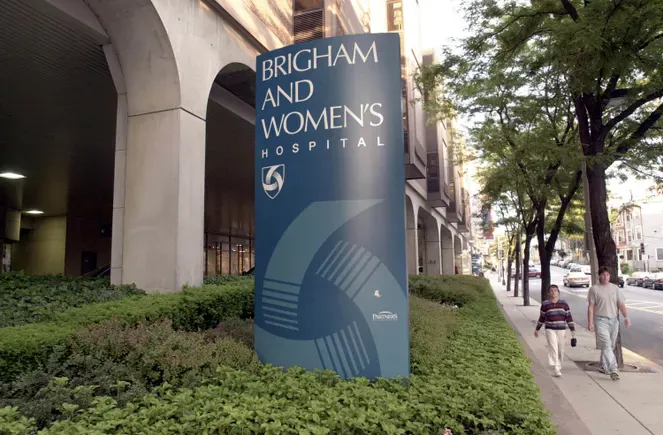
Healthcare labor tensions are boiling over. About 4,500 workers at Mass General Brigham's Brigham and Women's Hospital and home care division launched what unions are calling the largest healthcare strike in Massachusetts history, while 950 workers at Mount Nittany Medical Center in Pennsylvania voted to strike later this month. The disputes center on wages, working conditions, and affordable health insurance.
Healthcare labor tensions are reaching a fever pitch. Roughly 4,000 nurses at Brigham and Women's Hospital and 450 clinicians at MGB's Home Care unit walked off the job this week in what unions are calling the largest healthcare worker strike in Massachusetts history. The one-day nurse strike was followed by a four-day lockout imposed by MGB, with home care clinicians striking for a full seven days. Meanwhile, 950 workers at Mount Nittany Medical Center in Pennsylvania voted — with 98% approval — to begin a five-day strike on July 27.
At the heart of both disputes are familiar grievances: wages that workers say aren't keeping pace with inflation or cost of living, unmanageable workloads, and affordable health insurance. MGB counters that its proposals offer "market-leading compensation," while Mount Nittany says negotiations are still ongoing. Governor Maura Healey stepped in to convene both sides, and a coalition of prominent Massachusetts Democrats — including Senators Markey and Warren — publicly called for a fair resolution.
By the Numbers:
Why it matters: These strikes are part of a broader, accelerating wave of healthcare labor unrest across the U.S. As health systems face financial pressures and workers grapple with rising living costs, the standoffs signal deeper structural tensions — with real consequences for patient care and hospital operations.