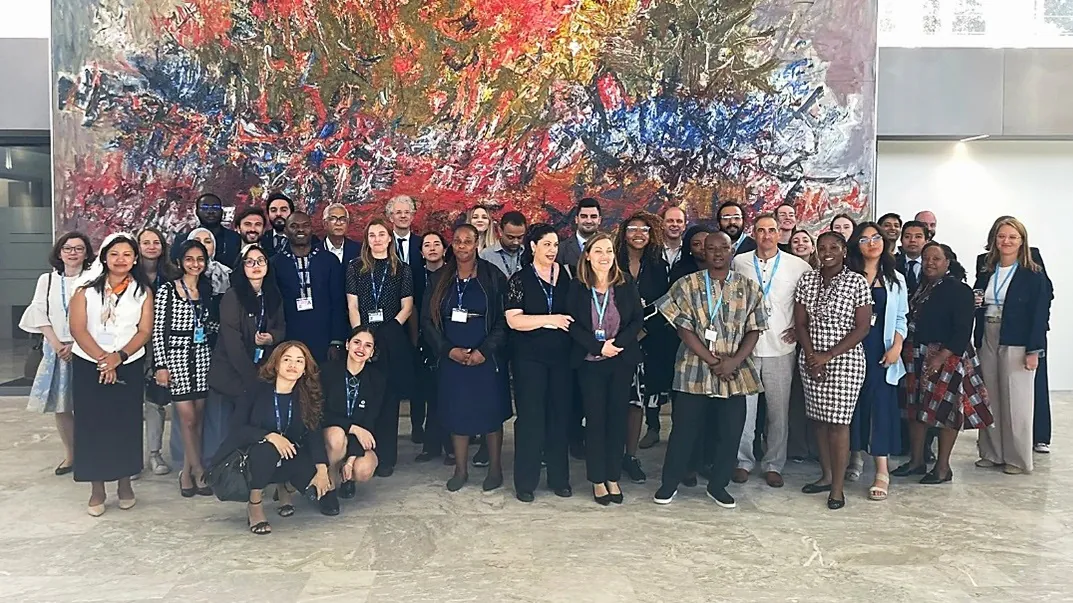
Civil society gets a seat at the table. At the 79th World Health Assembly, the WHO Civil Society Commission united over 300 participants from 270+ organizations to push four shared priorities: more investment in primary care, stronger domestic health financing, institutionalized civil society governance roles, and greater transparency in health financing data — all ahead of the 2027 UN High-Level Meeting on Universal Health Coverage.
At the 79th World Health Assembly (WHA79), the WHO Civil Society Commission (CSC) demonstrated what coordinated advocacy looks like in practice. Drawing on a year-long consultation across its 540+ member organizations, the Commission brought nearly 300 civil society voices to Geneva to shape global health priorities — and deliver them directly to WHO leadership, Member States, and parliamentarians.
A major focus was sustainable health financing. With development aid shrinking and USAID/PEPFAR cuts forcing countries like South Africa to rapidly reassess domestic budgets, the conversation shifted toward building resilient, country-led health systems. Canada's Ambassador Patricia McCullagh summed it up: sustainable financing needs strong country leadership, a coherent global architecture, and genuine community partnership.
Key Takeaways:
Why it matters: As global health funding faces unprecedented pressure, structured civil society engagement is becoming a critical lever for ensuring that community needs — not just donor priorities — shape health policy. WHA79 signaled a shift from dialogue to measurable impact.