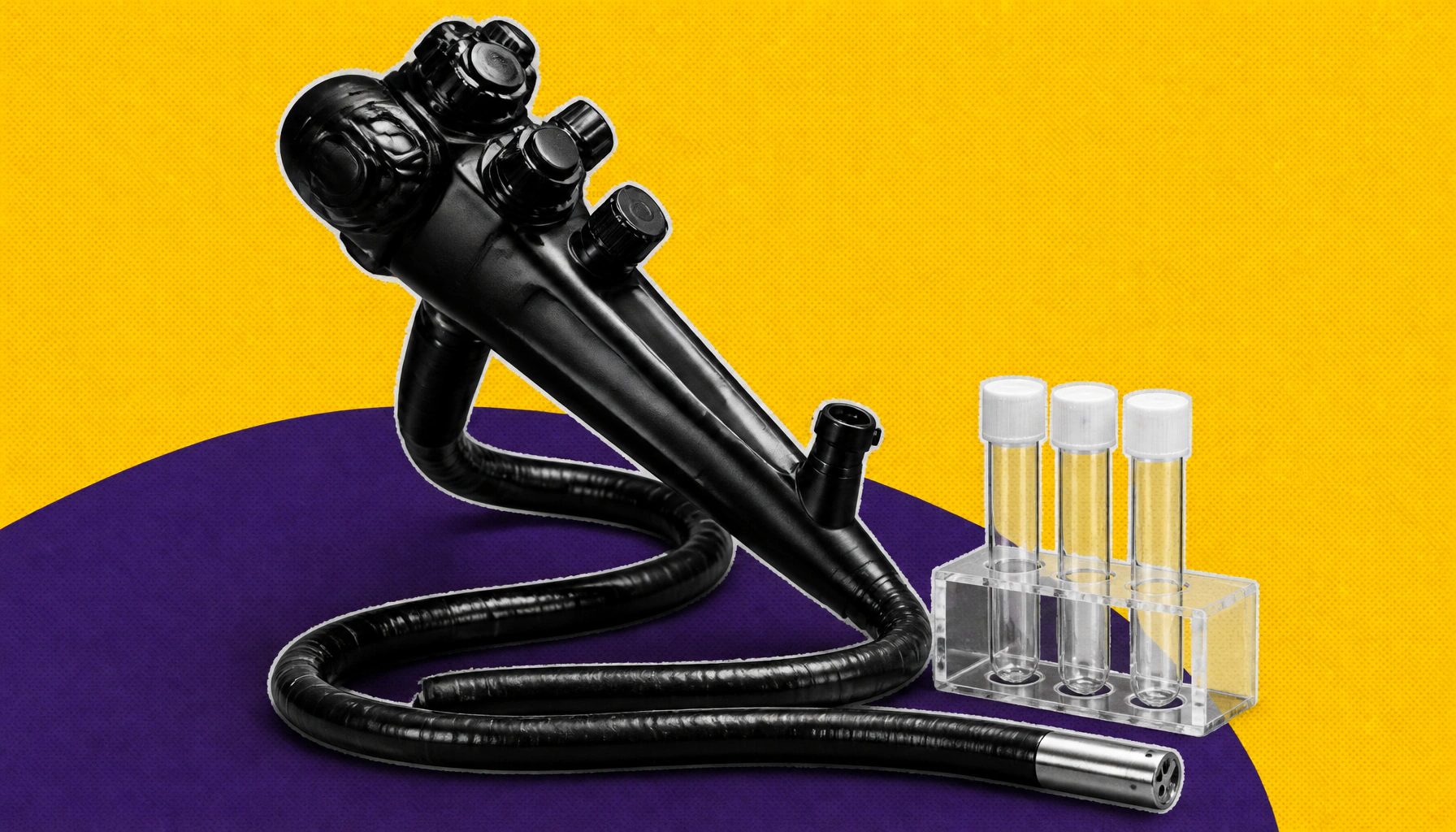
When it comes to colorectal cancer screening, colonoscopy is still the top choice — even among underserved populations. A new survey of over 1,000 diverse adults in NYC found that 45.5% preferred colonoscopy, followed by blood tests (29.9%). But preferences shifted significantly by age, race, and education, signaling that a flexible, patient-centered approach could be key to boosting screening rates.
When it comes to colorectal cancer (CRC) screening, colonoscopy remains the top choice — even among underserved communities. A new survey published in Digestive Diseases and Sciences polled over 1,000 diverse adults aged 45–75 in New York City and found that nearly half (45.5%) preferred colonoscopy, with blood tests coming in second (29.9%) and stool tests last (17.7%).
But dig into the data and the picture gets more nuanced. Preferences varied significantly by age, race, and education. Younger adults and those with prior colonoscopy experience leaned strongly toward colonoscopy, while older adults and those without college experience favored blood-based testing. Asian and South Asian respondents preferred blood tests, while White, Black, and Hispanic respondents leaned toward colonoscopy. The top barrier to colonoscopy? Bowel prep discomfort, cited by 46.2% of those who didn't prefer it.
By the Numbers:
Why it matters: No single screening test will work for every patient. Tailoring CRC screening options to individual preferences — and investing in patient education — could meaningfully improve uptake and adherence in populations that are already at higher risk of being under-screened.