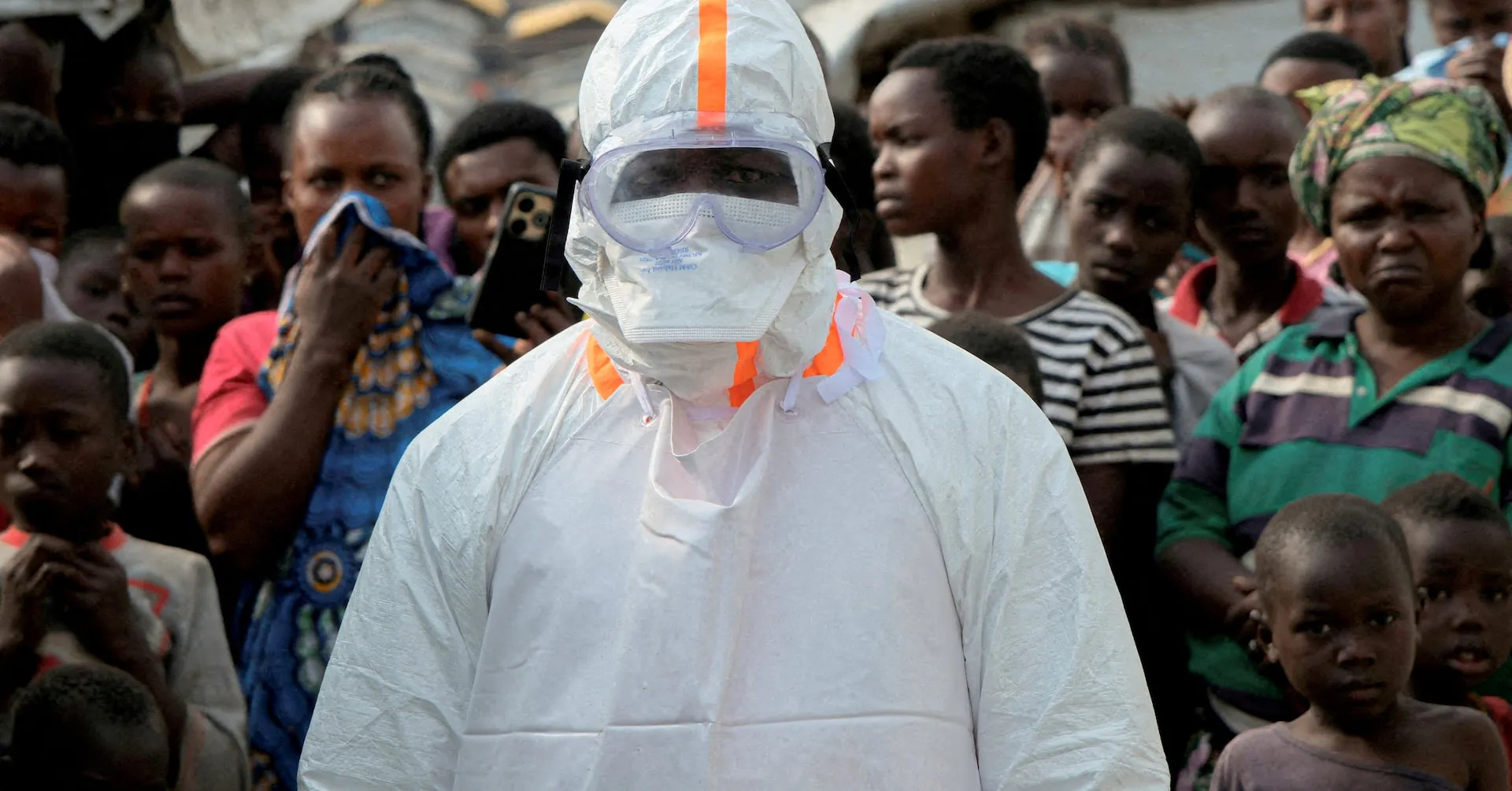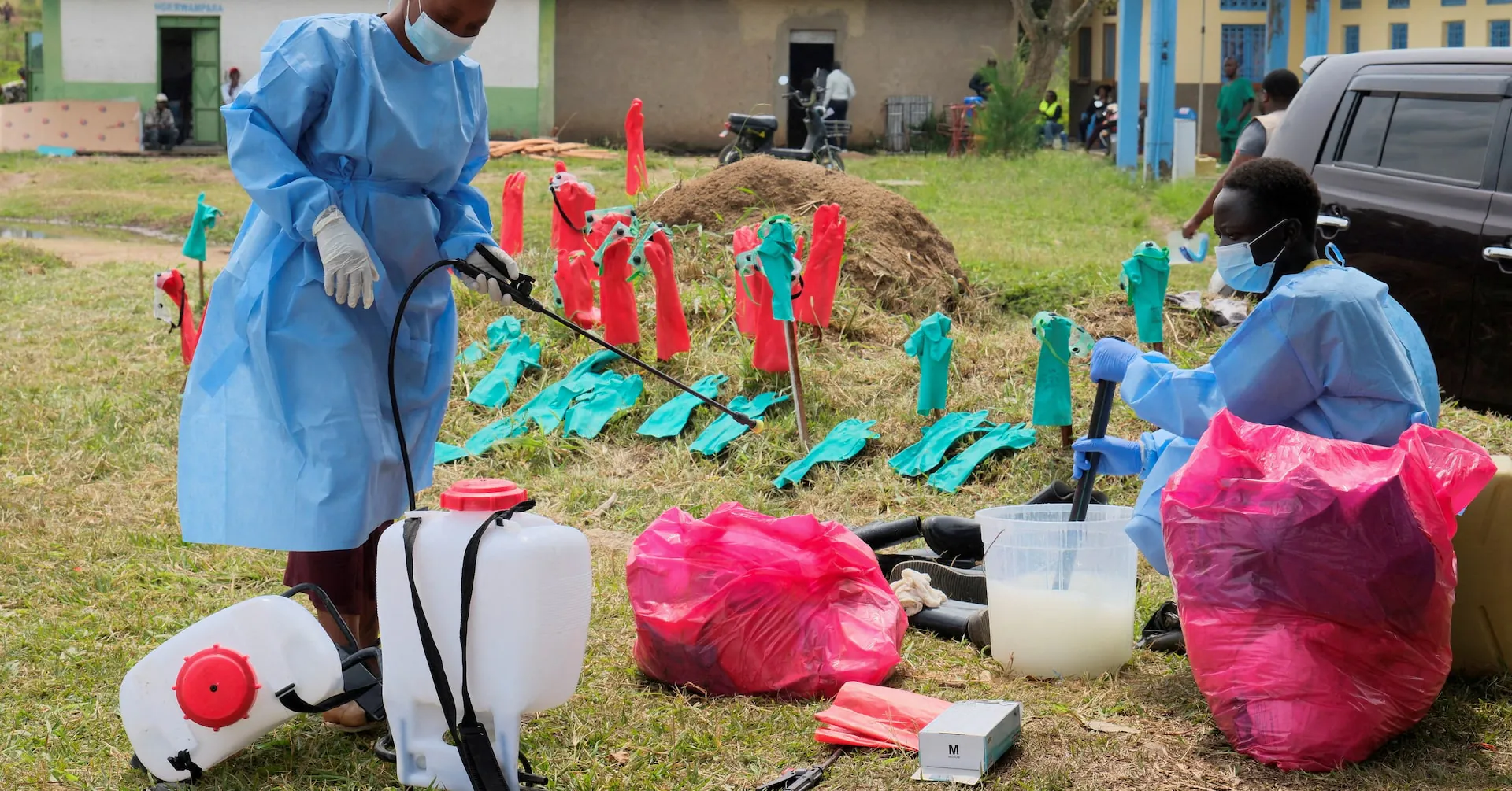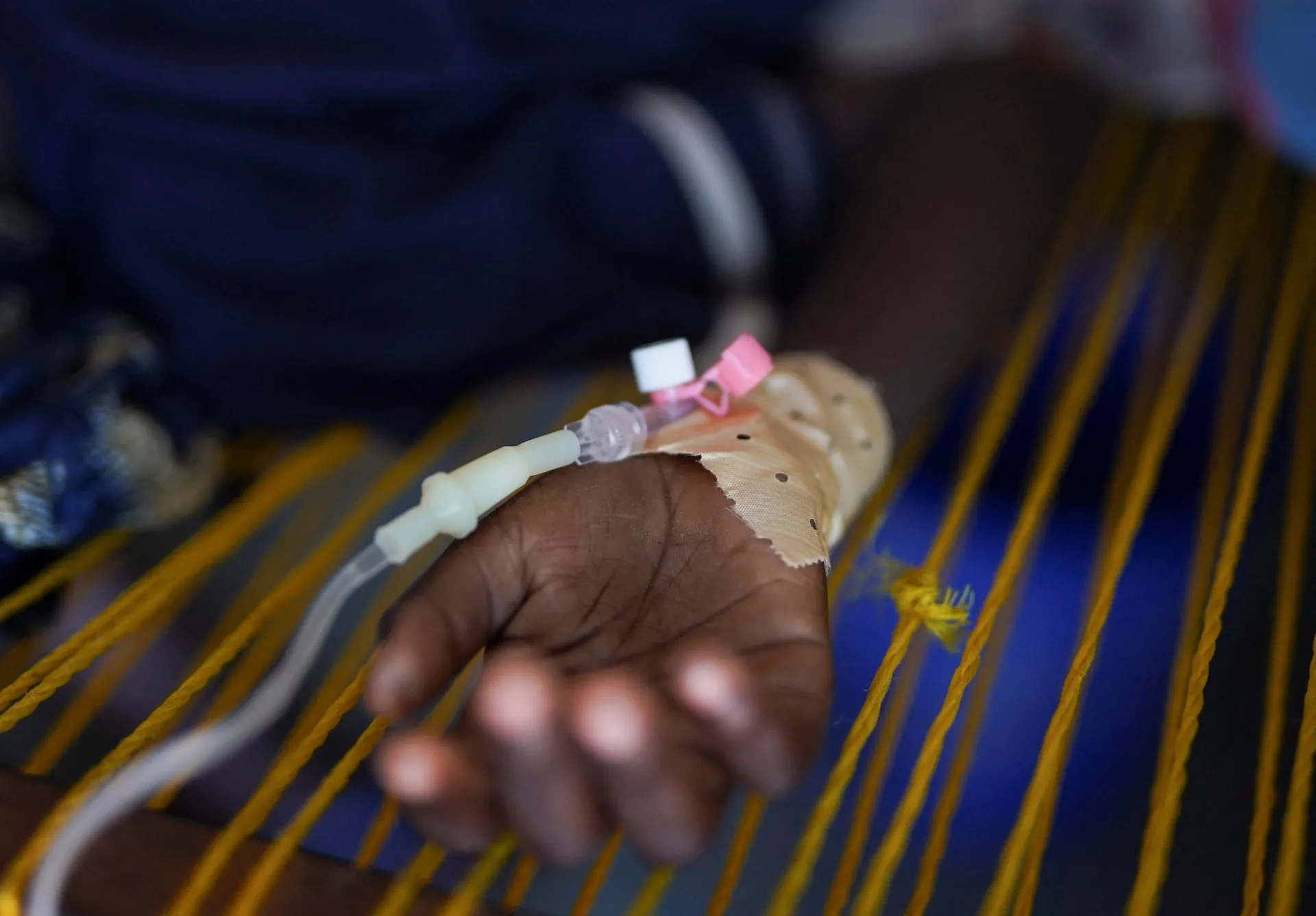
Sudan's cholera outbreak is spreading fast, with over 1,300 infections and 114 deaths since it was declared on June 27. The WHO is sounding the alarm as ongoing conflict, mass displacement, and the approaching rainy season threaten to make things dramatically worse. A case fatality rate of 13.7% — far above typical outbreaks — signals just how dire conditions on the ground have become.
Sudan's cholera outbreak, declared on June 27, is rapidly expanding across multiple states — particularly in Darfur and Kordofan — and the WHO is warning the worst may still be ahead. Conflict between Sudan's army and the paramilitary Rapid Support Forces (RSF) has severely restricted access for aid and healthcare workers, leaving communities with little protection against the waterborne disease.
The WHO's representative in Sudan flagged particular concern over al-Obeid, the capital of North Kordofan, where health facilities are overwhelmed and fighting is intensifying. Officials fear it could become "the second al-Fashir" — a reference to the northern Darfur city that fell after a devastating siege last year.
By the Numbers:
Why it matters: Cholera spreads rapidly when clean water and sanitation break down — exactly the conditions war-torn Sudan is facing. With the rainy season expected to worsen contamination and humanitarian access already severely limited, the outbreak has the potential to escalate into a full-scale public health catastrophe.