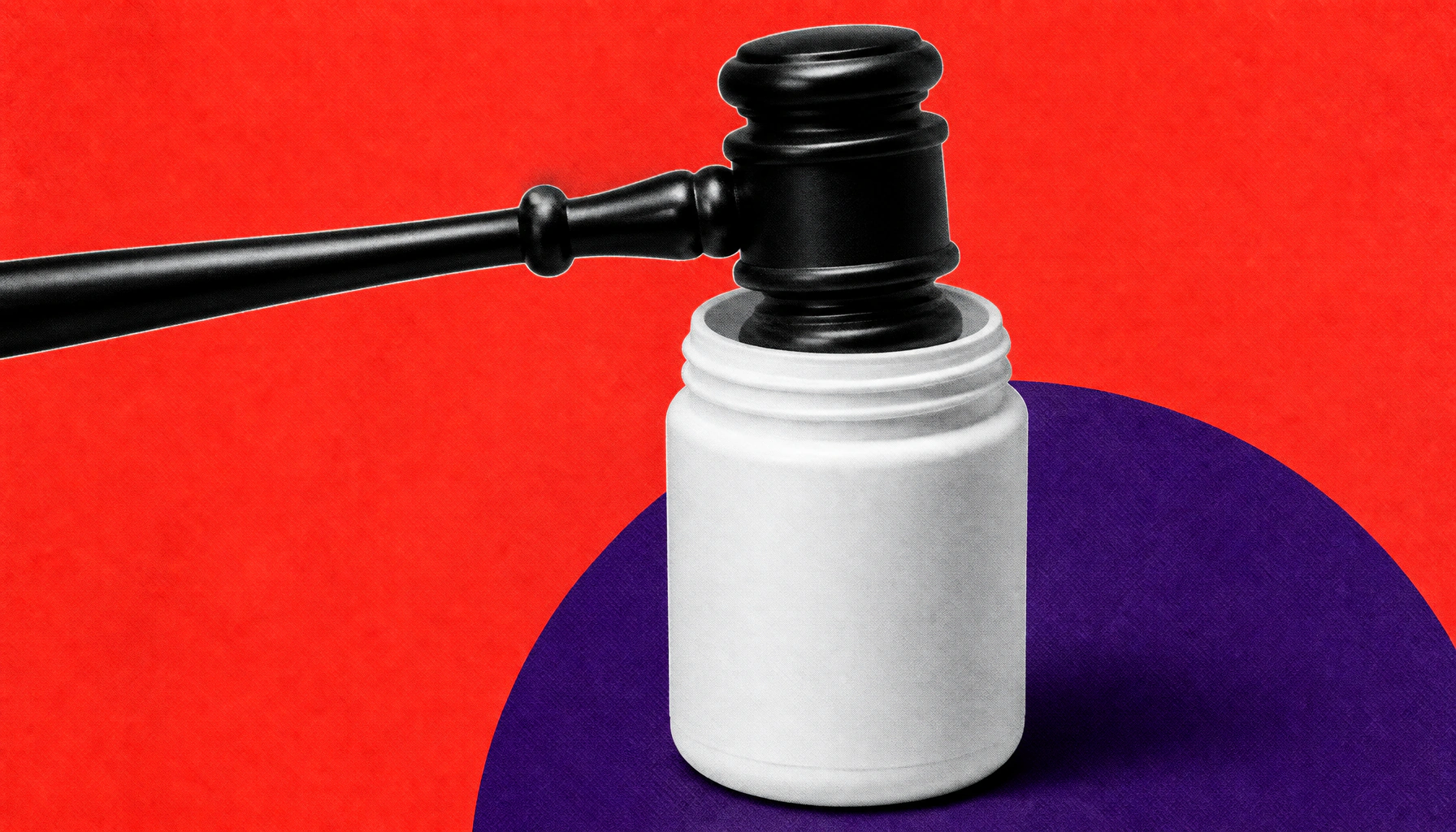
The American College of Clinical Pharmacy wants to pull the plug on direct-to-consumer (DTC) drug ads entirely — but not all physicians agree. Experts debate whether DTC advertising misleads patients, inflates drug costs, and strains doctor-patient relationships, or whether smarter regulation is a better fix than an outright ban.
The American College of Clinical Pharmacy made waves earlier this year by calling for a total ban on direct-to-consumer (DTC) pharmaceutical advertising in the U.S., arguing that such ads cause net harm by spreading misleading information, driving up medication costs, and eroding public trust. But the debate is far from settled — physicians across specialties are divided on whether elimination or stricter regulation is the right path forward.
Critics of DTC advertising point to a troubling ripple effect on patient care: ads oversimplify complex medications, frighten patients away from appropriate treatments with lengthy side-effect lists, and push demand toward expensive brand-name drugs over equally effective generics. A 2019 JAMA study found DTC ad spending ballooned from $2.1 billion in 1997 to $9.6 billion in 2016, with the biggest jumps in biologics and cancer immunotherapies — all while regulatory oversight remained limited.
Not everyone wants a full ban, though. Some physicians argue DTC ads can spark important conversations and help patients with stigmatized conditions seek care. Many favor tighter guardrails instead.
Key Takeaways:
Why it matters: DTC drug advertising shapes what patients ask for, what physicians prescribe, and ultimately what treatments cost. As spending and digital reach continue to grow, the stakes of getting the regulatory balance right have never been higher.