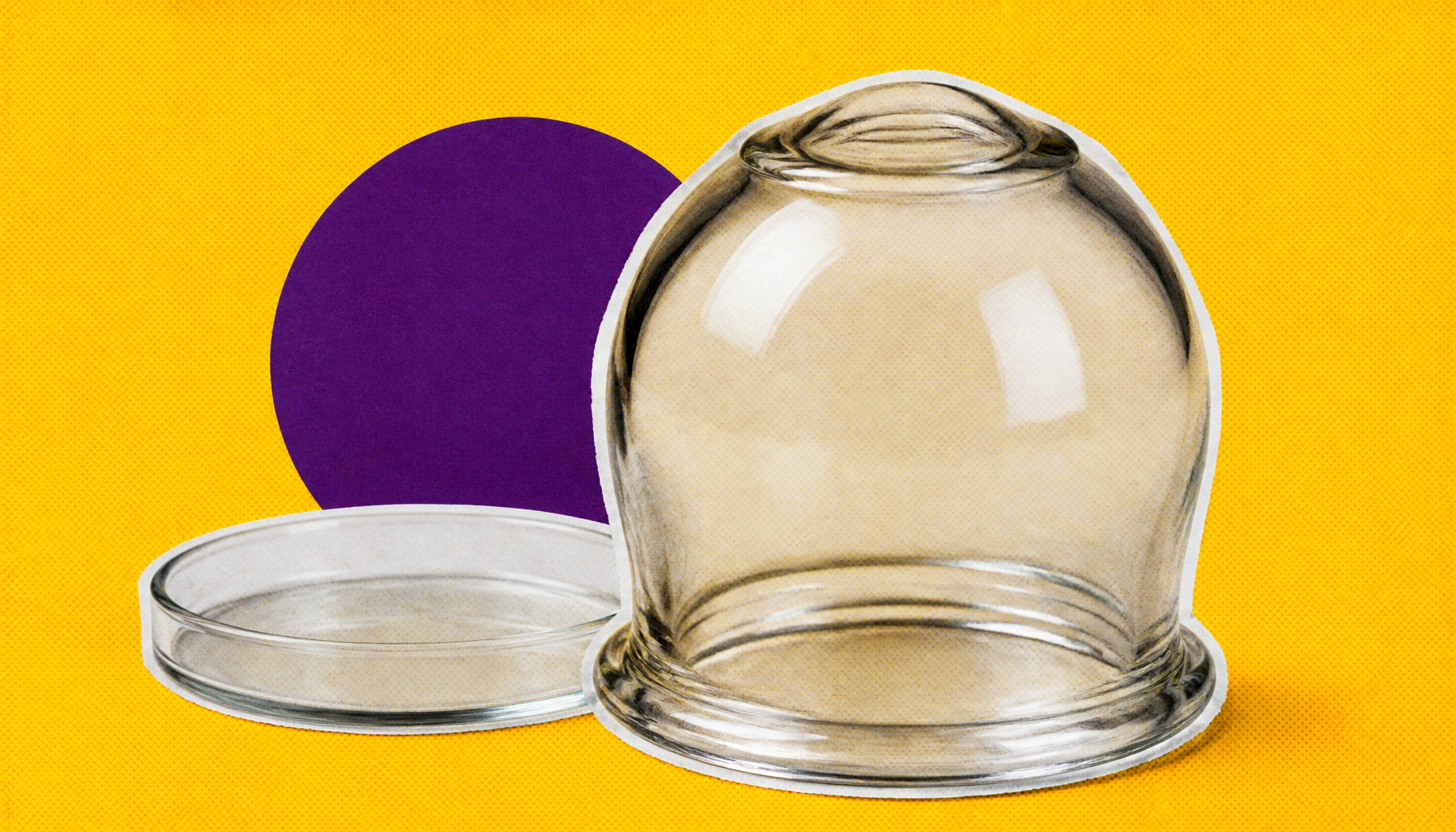
Cupping therapy gets a scientific upgrade. Researchers have developed a noninvasive method to capture and analyze the compounds released from skin during cupping sessions. In a pilot study with 12 healthy volunteers, they detected meaningful changes in 13 metabolites — a first step toward understanding the real physiological effects of this ancient practice.
Cupping therapy has been used for centuries in traditional Chinese medicine (TCM) to relieve chronic pain and speed muscle recovery — but the science behind what it actually does to the body has remained limited. Now, researchers publishing in ACS Analytical Chemistry have developed a noninvasive technique to capture and analyze the molecules released from skin during cupping sessions, offering a fresh window into the therapy's physiological effects.
The team used polymer-coated membranes placed inside cupping jars to adsorb airborne skin molecules. Those compounds were then released via heating and identified using mass spectrometry. In a proof-of-concept study with 12 healthy volunteers, cups were applied to participants' backs and waists for 10 minutes — and the results showed notable differences in 13 metabolites, including aldehydes, ketones, alcohols, terpenes, and organic acids.
Key Takeaways:
Why it matters: This method could give scientists a rigorous, noninvasive tool to study TCM therapies — potentially validating their effects with modern analytical science.