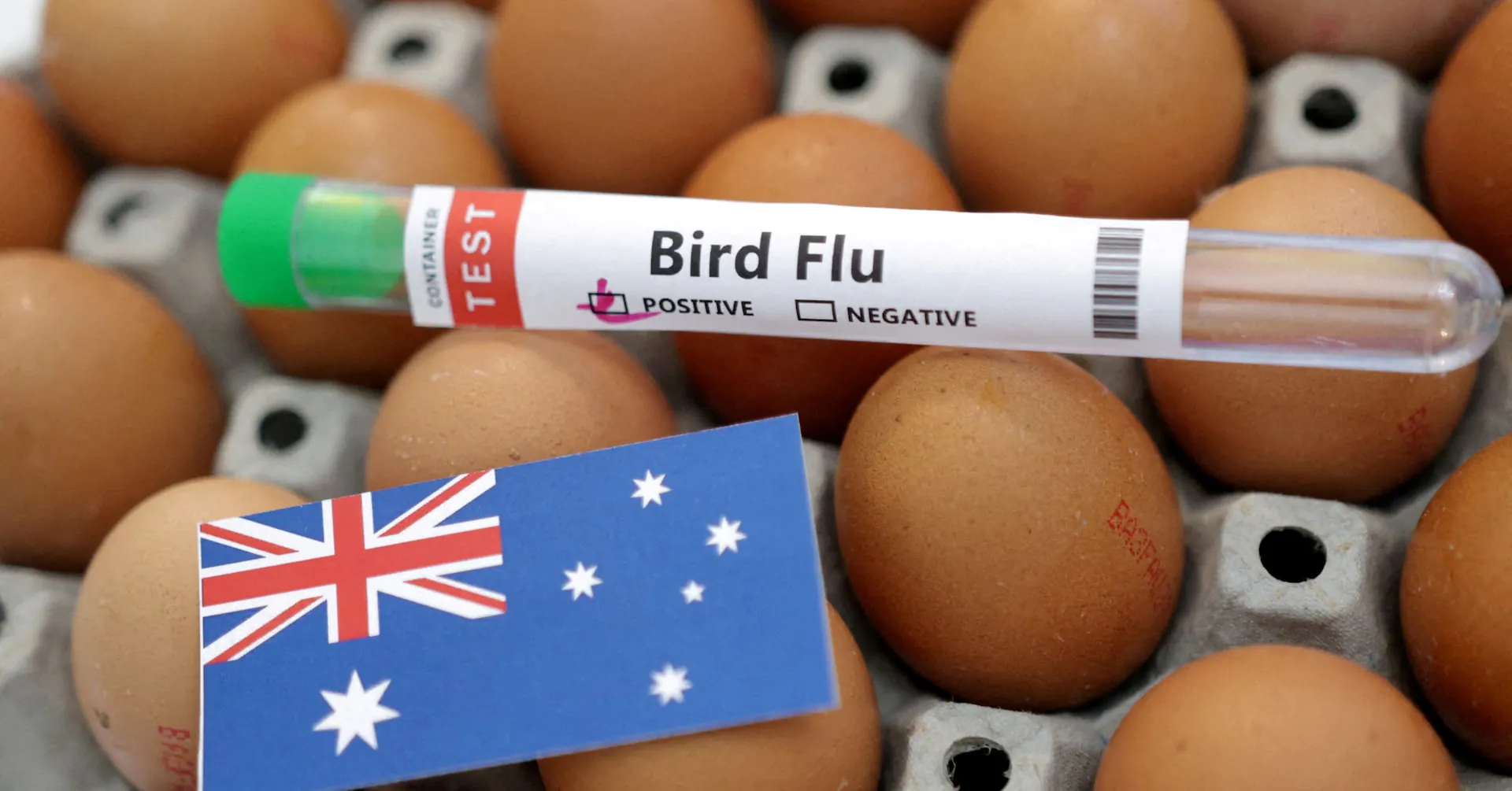
Australia has confirmed H5N1 bird flu in a native seabird for the first time — a greater crested tern found in South Australia — marking a worrying new phase in the virus's spread. The country only confirmed its first mainland case in June, and the total detection count has now climbed to 12. No spread to poultry or mass wildlife die-offs has been reported yet.
Australia has hit a new and concerning milestone in its bird flu outbreak: H5N1 has been confirmed in a native Australian seabird for the first time. The infected bird — a greater crested tern — was found in the coastal South Australian town of Robe, and was confirmed by the country's national science agency. Until now, all Australian detections had been in migratory seabirds, making this a significant shift in the virus's footprint.
The outbreak has escalated rapidly since June, when Australia became the last continent to confirm a mainland H5N1 case. Cases have since spread across multiple states, including Western Australia, South Australia, and New South Wales. Authorities have ramped up surveillance, deployed extra staff, and launched state-level response plans, while Prime Minister Anthony Albanese has pledged a coordinated national effort to contain the spread.
By the Numbers:
Why it matters: H5N1 has devastated bird and mammal populations globally since 2021, disrupted poultry supply chains, and driven up food prices worldwide. Its arrival in a native Australian seabird raises fears for the country's unique and often endangered wildlife — including coastal raptors and Australian sea lions — and signals the virus is gaining a stronger foothold on the continent.