After Venezuela's devastating twin earthquakes, a trauma researcher is urging clinicians to treat sleep disruption as a frontline indicator of trauma — not an afterthought. Research shows sleep disturbances are at least as common as PTSD and depression after disasters, yet they're routinely under-screened. Simple, low-cost interventions could make a big difference for survivors and first responders alike.
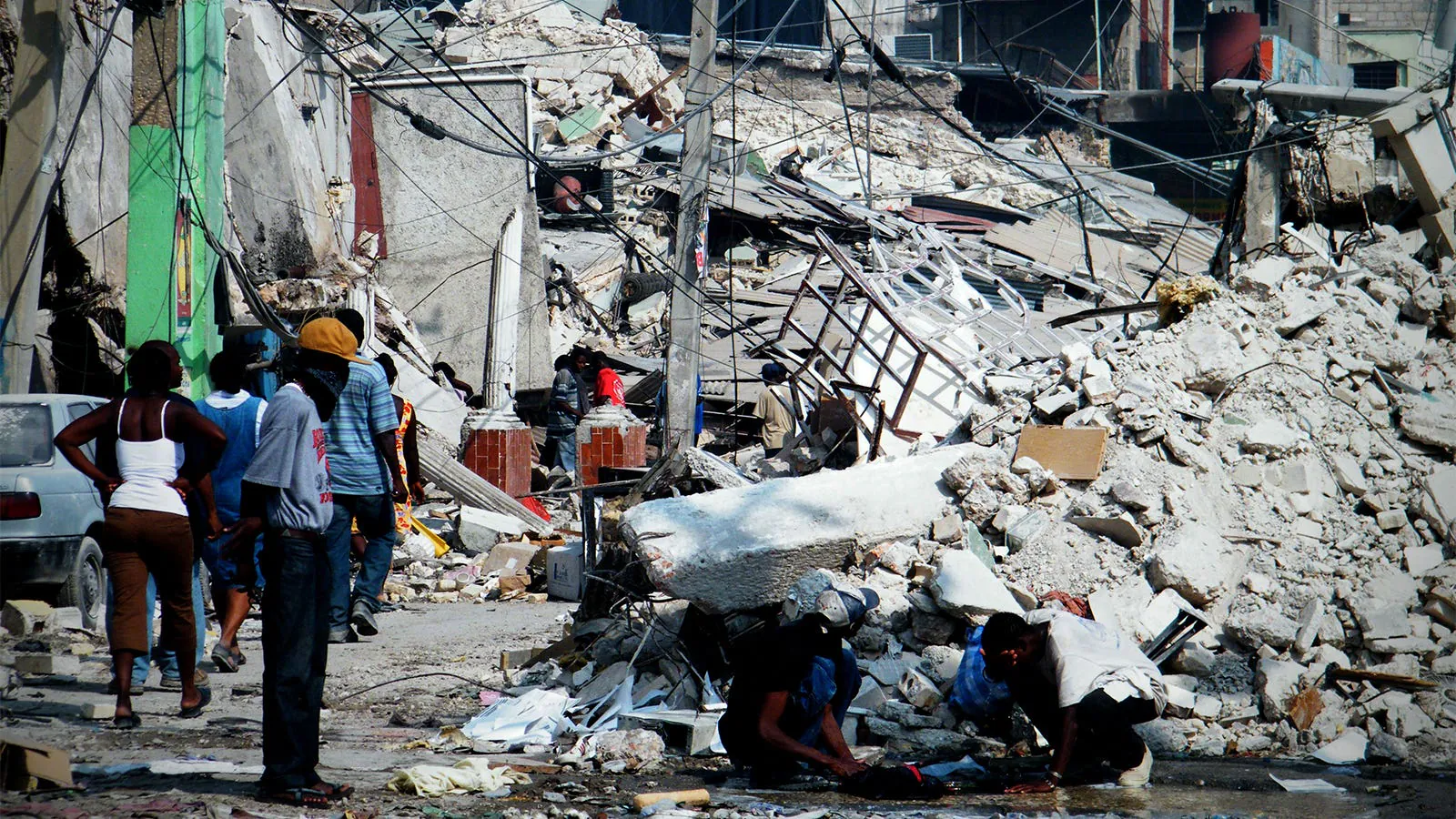
Following the June 24 twin earthquakes (magnitudes 7.2 and 7.5) that struck northern Venezuela, killing over 3,500 people and displacing tens of thousands, traumatic stress researcher Dr. Judite Blanc is calling on clinicians to rethink how they approach disaster care — specifically by putting sleep health front and center. Drawing on her own experience surviving the 2010 Haiti earthquake and her subsequent research, Blanc argues that sleep disturbance is one of the most consistent, measurable, and modifiable signals of trauma exposure — yet it remains chronically underused as a clinical tool.
Her research found that 94% of Haiti earthquake survivors reported insomnia symptoms two years after the disaster, surpassing rates of PTSD (42%) and depression (22%). Crucially, even resilience didn't protect against poor sleep — making it a uniquely important target for intervention. She notes that the same patterns appear in U.S. disaster survivors, from hurricane evacuees to wildfire victims.
Key Takeaways:
Why it matters: Sleep disruption after disasters is common, measurable, and treatable — but it's rarely prioritized. Integrating sleep screening and support into disaster response protocols requires no new infrastructure, just a shift in clinical mindset.