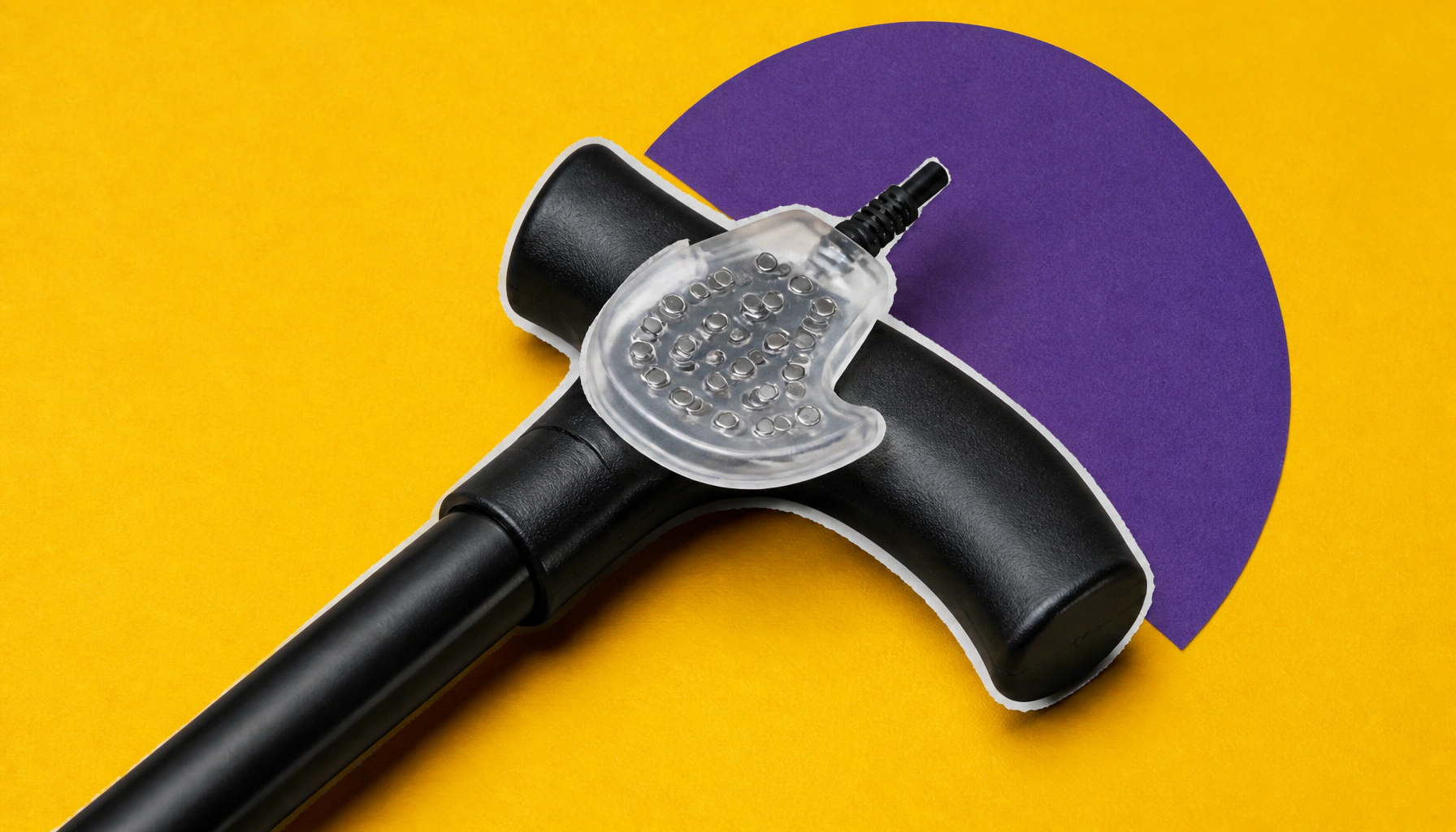
The FDA has cleared Thunderbolt, the first computer-assisted vacuum thrombectomy (CAVT) device with modulated aspiration technology for treating ischemic stroke. Developed by Penumbra, it automatically adjusts suction to weaken and remove blood clots more effectively — especially in hard-to-reach distal vessels. The device has also received a CE Mark for use in Europe.
The FDA has cleared Thunderbolt, Penumbra's computer-assisted vacuum thrombectomy (CAVT) device designed to tackle one of stroke care's toughest challenges: distal vessel occlusions. These blockages — which account for 25%–40% of all acute ischemic strokes — are notoriously difficult to treat, and medical management alone often falls short.
What makes Thunderbolt different is its modulated aspiration technology. When the catheter engages a clot, the system automatically varies suction to stress and weaken it before transitioning to continuous aspiration for full removal — all without manual adjustment by the physician. It's the first CAVT device to offer this capability, and it has also received a CE Mark for use in Europe.
By the Numbers:
Why it matters: Distal stroke occlusions have long been an underserved area in interventional neurology. Thunderbolt's automated, adaptive suction approach could meaningfully improve clot removal rates and patient outcomes — and its simultaneous FDA clearance and CE Mark signals a push for rapid global adoption.