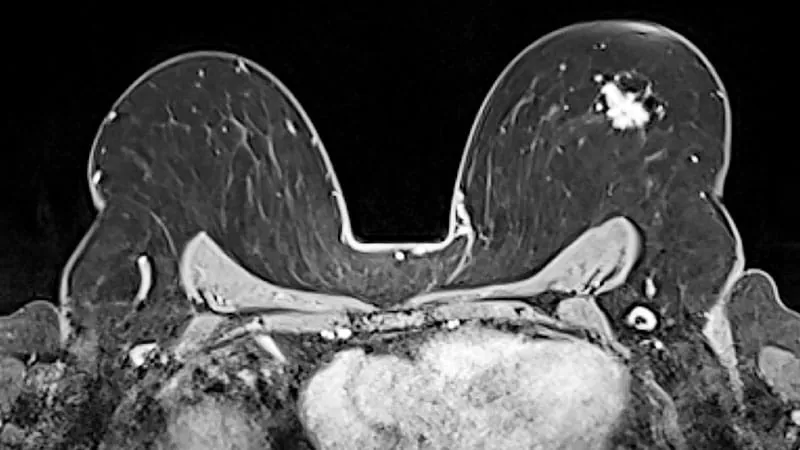
A new national survey of 2,200 women reveals a troubling paradox: middle-aged women (35–54) have the highest rates of heavy drinking but the lowest awareness that alcohol raises breast cancer risk. Researchers call it a "perfect storm" — and say this group may actually be primed for targeted education. Clinicians are urged to screen for alcohol use the same way they screen for tobacco.
A national survey of 2,200 adult women has uncovered a striking paradox: middle-aged women (ages 35–54) drink the most but know the least about alcohol's link to breast cancer. Researchers from the University of Houston presented the findings at the Research Society on Alcohol Annual Meeting, describing the situation as a "perfect storm" of high-risk behavior and low awareness.
The International Agency for Research on Cancer classifies alcohol as a Group 1 carcinogen — in the same category as tobacco and asbestos — and the U.S. Surgeon General has named it the third-leading preventable cause of cancer. Yet up to 50% of the public remains unaware of this connection, and middle-aged women appear especially in the dark. Factors like chronic stress, caregiving responsibilities, and the normalization of "wine culture" may be driving increased drinking in this group.
The silver lining? Middle-aged women showed greater familiarity with Surgeon General warnings and more openness to the idea that cutting back could reduce their cancer risk — suggesting they may be well-positioned to act on better information.
By the Numbers:
Why it matters: Alcohol is a modifiable cancer risk factor, and middle-aged women represent a high-risk, under-educated group. Clinicians have a key role to play — screening for alcohol use and delivering clear, nonjudgmental messaging could meaningfully reduce breast cancer risk in this population.