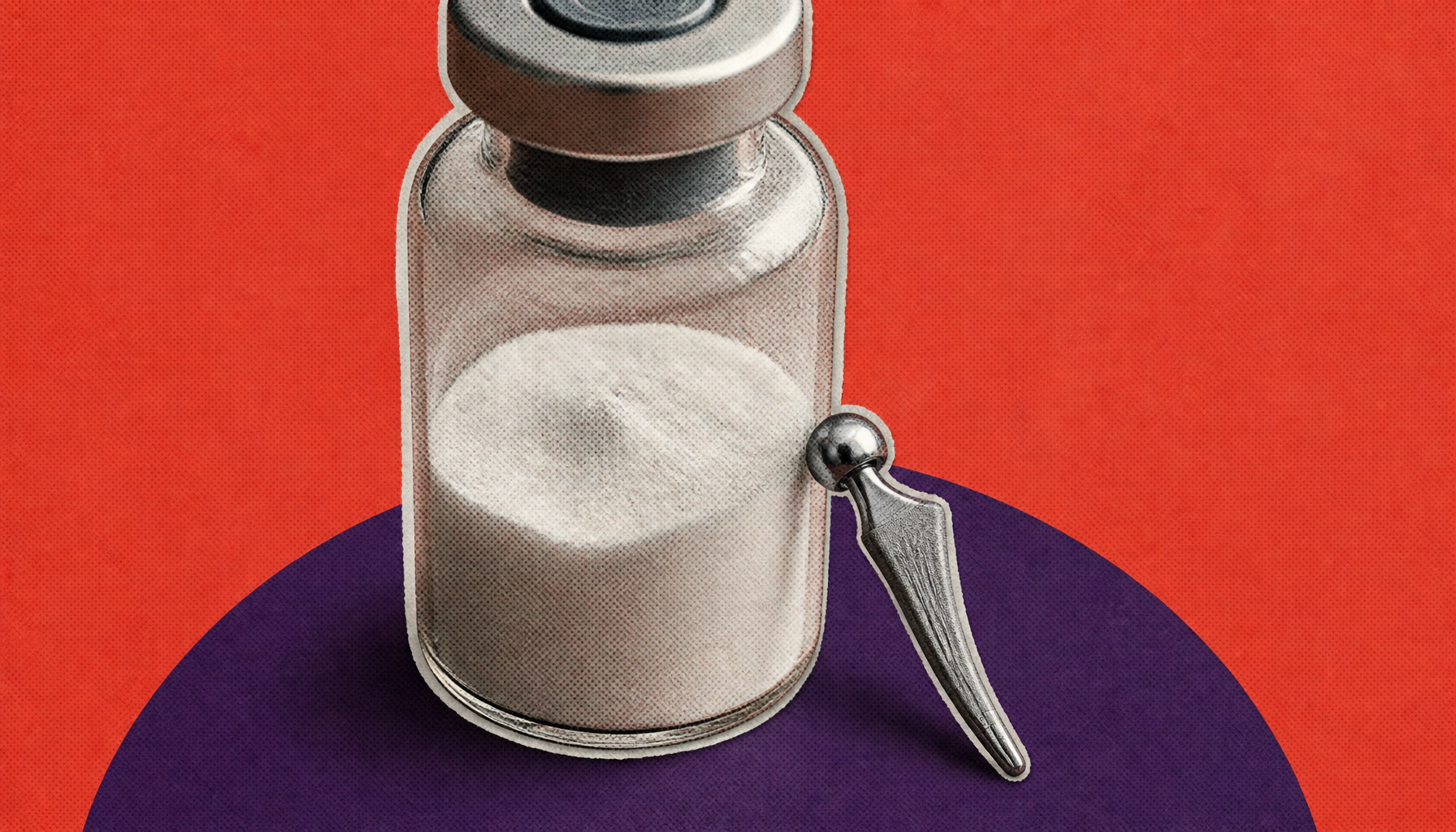
Once-monthly dosing, serious infections, and no great alternatives — dalbavancin is filling a tough niche. The long-acting antibiotic is increasingly used off-label to suppress recurrent gram-positive infections in patients with devices like LVADs or prosthetic joints. Real-world data show modest success, but resistance concerns and unexpected kidney injury rates are keeping experts on alert.
Once-monthly dosing, serious infections, and no great alternatives — dalbavancin is filling a tough niche.
Dalbavancin, a long-acting lipoglycopeptide antibiotic, is gaining traction as a chronic suppressive therapy for patients with recurrent gram-positive infections tied to devices like left ventricular assist devices (LVADs) or prosthetic joints — situations where complete cure isn't realistic. Its unusually long half-life (~14.4 days) allows dosing every 1–4 weeks while maintaining therapeutic drug levels, making it a practical alternative when oral antibiotics aren't viable.
Real-world evidence is still limited to case series and retrospective studies, but results are cautiously encouraging. A multicenter study of 46 patients on dalbavancin suppression for a median of 201 days found a treatment failure rate of 17.4%, with Staphylococcus species (including MRSA) being the most common culprits. A Spanish cohort reported 75% clinical success in patients with prosthetic joint or vascular infections.
Key Takeaways:
Why it matters: For patients with no surgical options and limited oral antibiotic choices, dalbavancin offers a meaningful — if imperfect — tool. But its use demands infectious disease specialist involvement, careful patient selection, and close monitoring for resistance and renal toxicity.